

Key Purchasing Factors for Wear-Resistant Mining Heavy Loaders
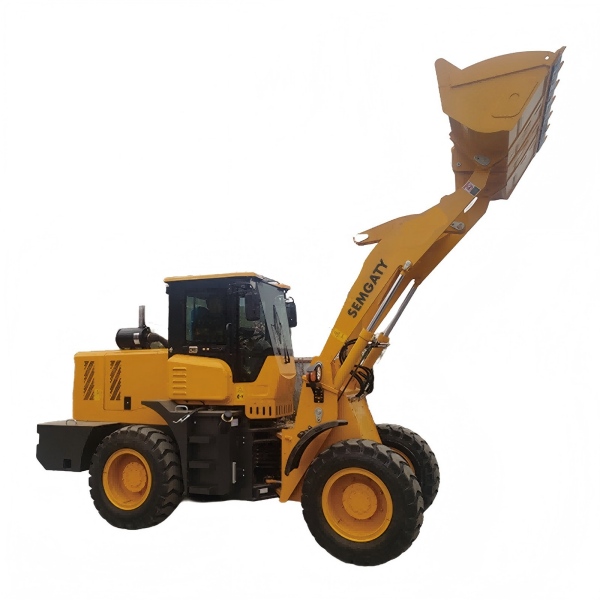
Mining operations demand continuous material loading under extremely abrasive working conditions. Rock fragments, iron ore, gravel, and high-density aggregates constantly create friction against buckets, cutting edges, loader arms, and transmission systems. Purchasing managers increasingly focus on wear resistance when selecting a big front loader for long-term mining productivity. Superior anti-wear capability directly reduces maintenance frequency, lowers spare part consumption, and improves operational efficiency across demanding extraction environments.
Modern open-pit mines require equipment capable of maintaining stable performance during long working shifts. Frequent shutdowns caused by structural wear generate substantial operational losses and delay material transportation schedules. Mining enterprises therefore evaluate steel quality, bucket reinforcement structure, axle durability, and hydraulic protection systems before investing in a big loaders fleet for heavy-duty excavation tasks.
High-strength steel remains one of the most critical indicators of loader wear resistance. Bucket bottom plates experience constant impact from sharp stones and mineral debris during loading cycles. Manufacturers using NM400, NM450, or HARDOX wear-resistant steel significantly improve bucket lifespan under aggressive operating conditions. Reinforced side plates and double-layer cutting edges further reduce deformation risks during repeated penetration into compacted ore piles. Many mining contractors prioritize steel thickness and welding technology when comparing a huge loader for quarry and mineral transportation projects.
Bucket tooth configuration also influences overall abrasion resistance. Replaceable forged alloy teeth allow rapid maintenance while protecting the primary bucket structure from direct contact damage. Heavy mining environments often accelerate tooth wear because high-density ore generates intense impact pressure during excavation. Professional procurement teams carefully inspect tooth hardness ratings, fastening systems, and compatibility with local spare part supply chains before selecting a big front loader for continuous loading operations.
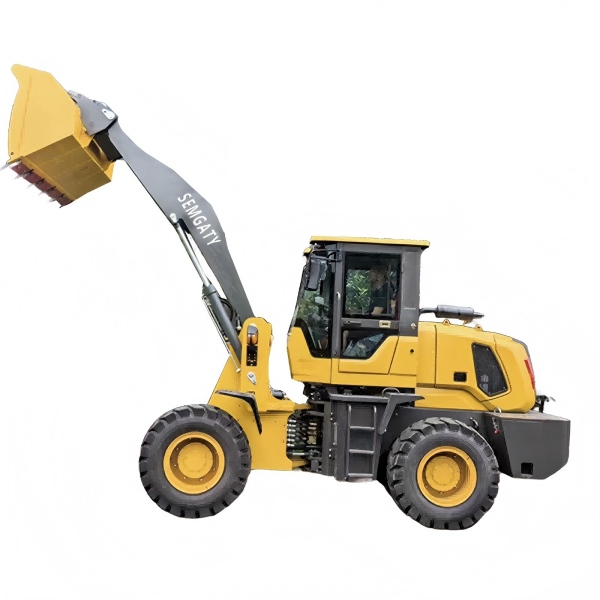
Loader articulation joints and central hinge assemblies require advanced anti-friction engineering to withstand long-term vibration and torsional stress. Dust, mud, and crushed stone particles frequently penetrate poorly sealed pivot points, causing premature bearing failure and metal fatigue. High-quality sealing rings, automatic lubrication systems, and hardened steel pins dramatically increase service life in harsh mining environments. Large-scale mineral processing companies commonly compare articulation durability before purchasing multiple big loaders for fleet expansion plans.
Transmission systems represent another major evaluation factor in mining loader procurement. Heavy climbing operations, overloaded transportation routes, and uneven quarry terrain place enormous stress on gearboxes and torque converters. Advanced planetary transmission structures improve torque distribution while minimizing internal wear during prolonged uphill hauling cycles. Oil cooling systems additionally help maintain stable operating temperatures under continuous heavy-duty workloads. Mining operators often analyze transmission reliability reports before selecting a huge loader for high-output production zones.
Axle durability remains equally important in rocky mining areas where uneven terrain constantly transfers shock loads into drivetrain components. Wet disc brake axles provide better protection against dust contamination while reducing maintenance requirements under muddy conditions. Reinforced differential housings and heavy-duty hub reduction structures improve load-bearing capacity during full-bucket transportation across unstable ground surfaces. Engineering supervisors frequently prioritize axle strength specifications when evaluating a big front loader for remote mining projects with limited maintenance infrastructure.
Hydraulic systems face severe contamination risks inside mining environments filled with airborne dust and abrasive particles. Poor filtration performance often accelerates hydraulic pump wear and cylinder seal damage. Multi-stage filtration systems combined with high-pressure hydraulic hoses improve operational stability during intensive loading cycles. International mining contractors increasingly focus on hydraulic cleanliness standards before integrating new big loaders into long-term extraction operations.
Cab protection and operator comfort also influence equipment lifespan in demanding mining conditions. Excessive vibration and poor visibility negatively affect loading precision and operational efficiency. Reinforced ROPS/FOPS-certified cabins improve structural protection against falling rocks while air-suspension seats reduce operator fatigue during extended shifts. Large panoramic windows and rear-view camera systems enhance visibility across congested quarry environments. Mining companies frequently compare cab safety configurations before approving investment in a huge loader for large-scale excavation programs.
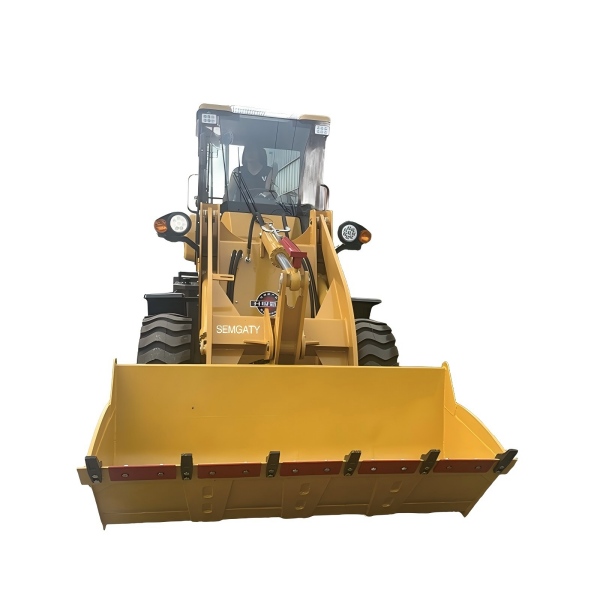
Tire selection directly impacts wear performance and operating costs in mining transportation routes filled with sharp gravel and broken stone. Deep-pattern mining tires with reinforced sidewalls provide stronger puncture resistance and improved traction on unstable terrain. Heat-resistant rubber compounds additionally reduce premature cracking during continuous operation under high ambient temperatures. Fleet managers often analyze tire replacement intervals when comparing different loader brands for mining applications.
Preventive maintenance accessibility remains another essential purchasing consideration. Easily accessible engine compartments, centralized lubrication systems, and modular hydraulic layouts simplify routine servicing procedures. Fast maintenance access reduces downtime and improves operational continuity during peak mining production periods. Equipment suppliers providing strong spare parts support and rapid technical response gain significant advantages in competitive mining equipment markets.
Fuel efficiency increasingly influences procurement decisions as global mining companies seek lower operational costs and reduced emissions. Intelligent engine management systems optimize fuel injection timing under varying load conditions, helping reduce unnecessary fuel consumption during material handling operations. Eco-mode operating programs and automatic idle control systems further enhance energy efficiency without sacrificing loading performance in demanding quarry applications.
Mining enterprises also evaluate manufacturer reputation and after-sales support before finalizing procurement contracts. Reliable technical service networks, spare parts availability, and operator training programs contribute directly to long-term equipment profitability. Durable structural design alone cannot guarantee stable mining productivity without professional maintenance support and rapid troubleshooting capabilities.
Future mining development continues driving demand for advanced wear-resistant loaders capable of handling larger production volumes under increasingly severe environmental conditions. Manufacturers investing in reinforced steel technology, intelligent hydraulic systems, and heavy-duty drivetrain engineering gain stronger competitiveness in global mining machinery markets. Careful evaluation of wear resistance, structural durability, and operational efficiency allows mining companies to maximize investment returns while maintaining stable long-term production capacity.