

Mastering the Freeze: Essential Winter Maintenance for Heavy Equipment

As temperatures plummet and frost covers construction sites, operating heavy machinery requires a strategic shift in maintenance routines. Cold weather places immense stress on mechanical components, demanding proactive care to ensure operational readiness. Owners of a big front loader understand that neglecting winter protocols can lead to costly downtime and severe mechanical failures. Freezing fluids, thickened lubricants, and brittle rubber parts pose significant threats to daily productivity. Therefore, adopting a rigorous cold-weather maintenance strategy is not merely an option but a necessity for survival in harsh climates. Proper preparation ensures equipment remains reliable even when the mercury drops well below freezing.
🛢️ Fluid Management and Engine Protection
Fluids serve as the lifeblood of any heavy machine, yet extreme cold drastically alters their viscosity and performance characteristics. Engine oil tends to thicken in low temperatures, making it incredibly difficult for the starter motor to crank the engine during morning startup procedures. Switching to a lower-viscosity synthetic oil designed specifically for winter conditions allows for smoother circulation and reduces strain on internal components. Furthermore, coolant systems require careful attention to prevent catastrophic cracking of the engine block. Operators must verify that the antifreeze mixture is rated for the lowest expected local temperatures. Neglecting hydraulic fluid specifications can also cripple the responsiveness of a big front loader, leading to sluggish controls and potential pump cavitation until the system reaches optimal operating temperature.
🔋 Electrical Systems and Battery Care
The electrical system faces its toughest challenge during the winter months, as chemical reactions inside batteries slow down significantly in the cold. A battery holding a full charge in summer might lose substantial cranking power when exposed to freezing wind chills. Regularly testing battery voltage and cleaning corroded terminals ensures maximum current flow when attempting to start massive diesel engines. Keeping batteries fully charged and utilizing trickle chargers or battery warmers overnight can extend service life considerably. Without a strong electrical foundation, even the most robust machines will fail to wake up. Ensuring the alternator functions correctly prevents unexpected shutdowns on remote job sites where external assistance remains hours away.
⚙️ Undercarriage and Structural Integrity
Ice, snow, and road salt create a highly corrosive environment that accelerates wear on pins, bushings, and structural welds. Moisture trapped within pivot points can freeze and expand, potentially causing metal fatigue or seizing critical joints. Daily washing of the undercarriage removes harmful salt deposits and packed mud that retain moisture against the steel. Greasing all pivot points while the machine is still slightly warm from operation helps displace water and provides a protective barrier against rust. The sheer mass of big loaders exerts tremendous force on these connection points, making proper lubrication non-negotiable for longevity. Inspecting tracks or tires for embedded ice chunks prevents imbalance and vibration during high-speed travel across frozen terrain.
🌡️ Warm-Up Procedures and Operational Habits
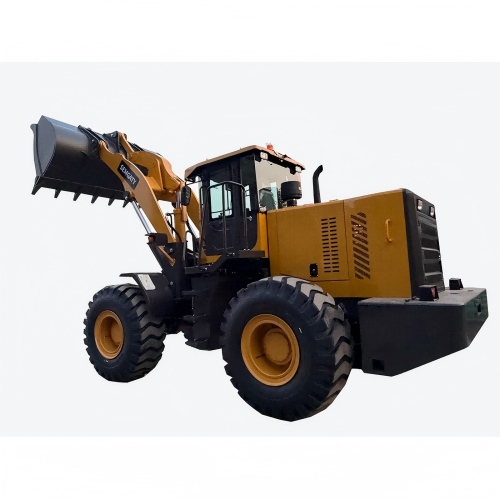
Rushing into heavy work without a proper warm-up period constitutes one of the most common mistakes operators make during winter. Hydraulic oil needs time to circulate and thin out before subjecting the system to high-pressure demands like lifting heavy loads or digging into frozen ground. Allowing the engine to idle for several minutes brings vital fluids up to temperature gradually, ensuring adequate lubrication reaches every moving part. Gentle operation during the first thirty minutes prevents shock loading on brittle drivetrain components. Operating a huge loader with cold, stiff hydraulics risks blowing seals or damaging valves due to excessive pressure spikes. Patience during the warm-up phase pays dividends by preventing mid-day breakdowns and extending the lifespan of expensive hydraulic pumps.
🛠️ End-of-Day Storage and Preventative Measures
How a machine is parked at the end of a shift dictates how easily it starts the following morning. Whenever possible, parking inside a heated garage or shelter protects sensitive components from wind chill and accumulating snow. If outdoor storage is unavoidable, placing wooden planks under the tires or bucket prevents them from freezing solidly to the ground. Lowering attachments completely relieves pressure from the hydraulic cylinders and prevents accidental drifting caused by contracting fluid. Before leaving the cab, wiping down door seals and applying silicone spray prevents doors from freezing shut. Treating a huge loader with respect during shutdown ensures the next operator can begin work immediately without battling frozen levers or stuck access hatches.
✅ Conclusion: Commitment to Winter Readiness
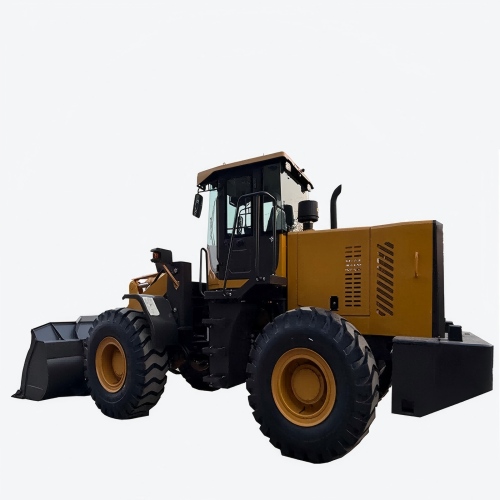
Winter operation demands vigilance, discipline, and a commitment to preventative maintenance protocols. By focusing on fluid integrity, electrical health, and gentle operational habits, fleets can maintain high productivity levels regardless of the weather forecast. Investing time in daily inspections and proper warm-up routines safeguards the substantial financial investment represented by modern heavy equipment. Whether managing a single unit or a fleet of big loaders