Applicable Scenarios of Bulldozers
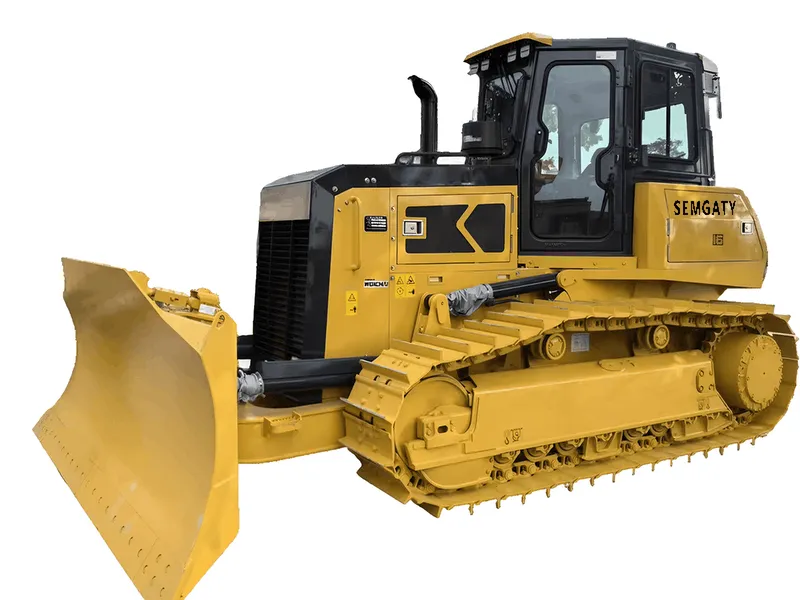
Bulldozers are powerful earth-moving machinery equipped with a large front blade and a rear ripper, playing an irreplaceable role in various engineering fields. Different types of bulldozers, including crawler dozers, bulldozer machine, and compact dozers, are designed to adapt to different working environments and task requirements. Understanding applicable scenarios of these machines helps select the right equipment for specific projects, improve work efficiency, and reduce construction costs.
Construction site leveling is one of the most basic and common scenarios for bulldozers. Before starting construction of buildings, roads, or bridges, construction sites often have uneven terrain, scattered soil, and debris.
Bulldozer machine uses its front blade to push, level, and smooth the ground, creating a flat and stable foundation for subsequent construction. This scenario requires bulldozers to have strong pushing force and flexible operation, ensuring the ground meets the required flatness standards.
Road construction is a core application scenario for
crawler dozers. In highway and railway construction, crawler dozers are widely used in subgrade construction. They push and compact soil, gravel, and other materials to form a solid subgrade, which is the key to ensuring road durability. Crawler dozers’ track design provides excellent traction and stability, making them suitable for working on soft or uneven subgrade surfaces without sinking.
Mining operations rely heavily on bulldozers for various auxiliary tasks. In open-pit mines, bulldozers are used to clear overburden—removing soil, rock, and vegetation covering mineral resources—to expose ore bodies. They also help pile and sort mined materials, transport small ore piles to crushing equipment, and maintain mine roads for other heavy machinery. Their strong pushing force and wear-resistant components make them adaptable to harsh mining environments.
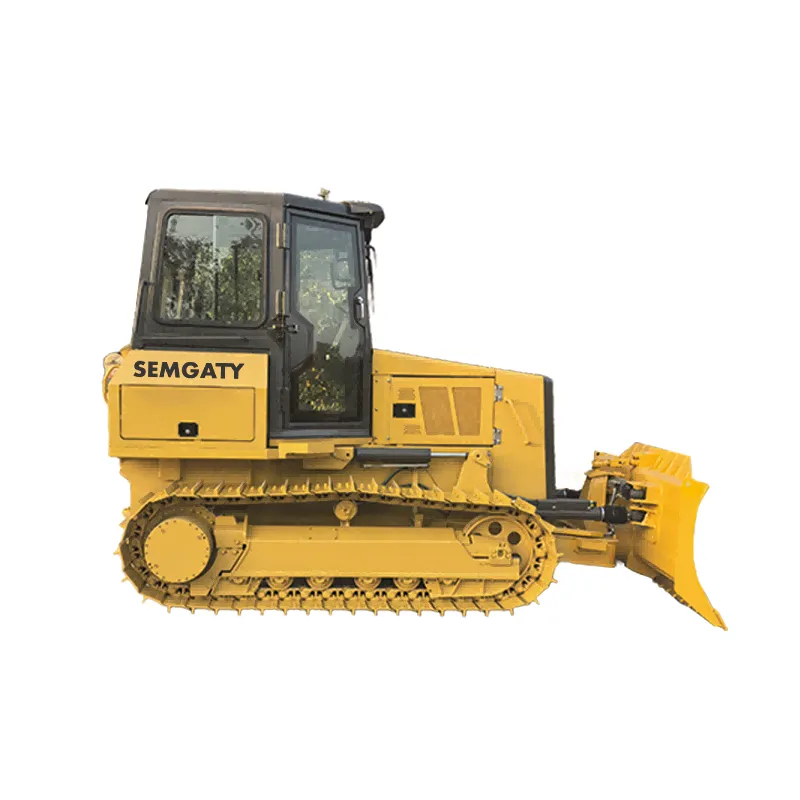
Agricultural land improvement is an important scenario for
compact dozers. Small and medium-sized farms often need to level farmland, dig irrigation ditches, and clear weeds or tree stumps to improve land utilization. Compact dozers are small in size, flexible in operation, and suitable for working in narrow farmland spaces. They can easily navigate between fields, complete land leveling and renovation tasks efficiently, and help farmers improve agricultural production conditions.
Flood control and disaster relief work often requires bulldozers to respond quickly to emergency situations. When floods, landslides, or earthquakes occur, bulldozers are used to clear debris, build flood control dikes, and open rescue channels. Bulldozer machine can quickly push soil, sand, and stones to build temporary dikes, preventing flood water from spreading and protecting people’s lives and property. Their strong mobility and reliability make them indispensable in disaster relief operations.
Landfill construction and management also benefit from bulldozer applications. In landfill sites, bulldozers are used to flatten and compact garbage, reducing the volume of garbage and extending the service life of the landfill. They also cover garbage with soil regularly to prevent odor diffusion and environmental pollution.
crawler dozers are particularly suitable for this scenario due to their ability to work on soft and uneven garbage piles without getting stuck.
Forestry operations use compact dozers for land clearing and road construction in forest areas. Before afforestation, compact dozers clear trees, shrubs, and stumps to prepare planting land. They also build temporary roads in forests to facilitate the transportation of seedlings, fertilizers, and logging equipment. Their small size and low ground pressure avoid damaging the forest ecosystem while completing necessary construction tasks.
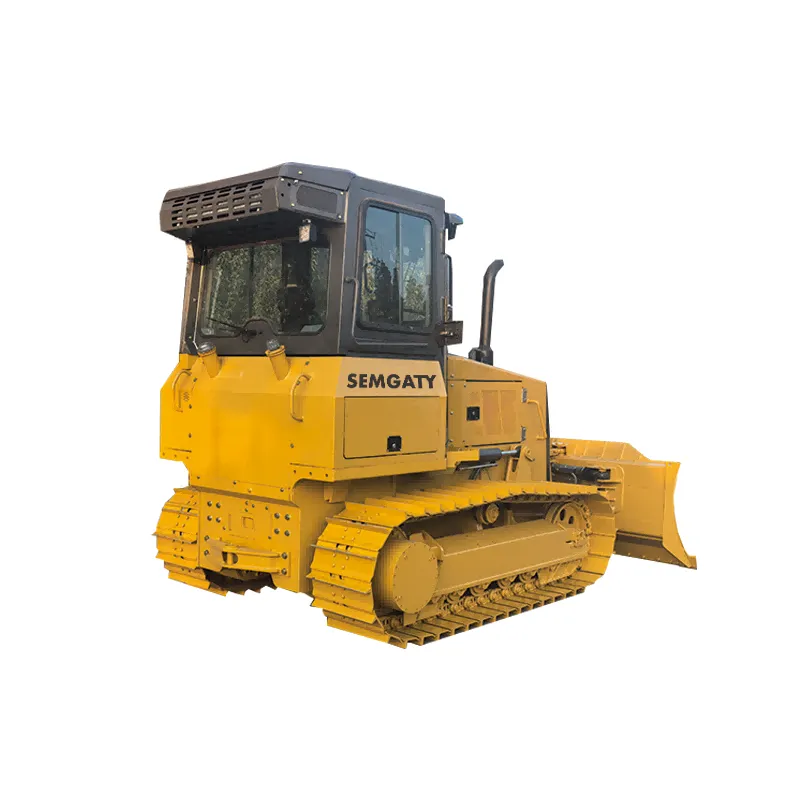
Airport and port construction require large-scale ground leveling and site preparation, which is a key scenario for
crawler dozers. Airports need extremely flat runways and aprons to ensure the safe takeoff and landing of aircraft. Crawler dozers work with other machinery to level the ground, compact the soil, and remove obstacles, meeting the strict flatness and load-bearing requirements of airport construction. Ports use bulldozers to level cargo yards and clear accumulated goods, ensuring smooth cargo handling.
Industrial site construction, such as factory and warehouse construction, also relies on bulldozers for site preparation. Before building industrial buildings, bulldozers clear the construction site, level the ground, and backfill foundation pits. Bulldozer machine can push large volumes of soil and debris efficiently, shortening the site preparation cycle and laying a solid foundation for subsequent building construction. Different types of bulldozers can be selected according to the size of the industrial site and the complexity of the task.
In summary, bulldozers, including crawler dozers, bulldozer machine, and compact dozers, are widely used in construction, road building, mining, agriculture, disaster relief, landfill management, forestry, and industrial construction. Each scenario has specific requirements for bulldozer type and performance, and selecting the right equipment can maximize work efficiency. These machines have become an indispensable part of modern engineering and agricultural production, contributing to the smooth progress of various projects.