Applicable Working Conditions of Loaders Equipped with Turbocharged Engines
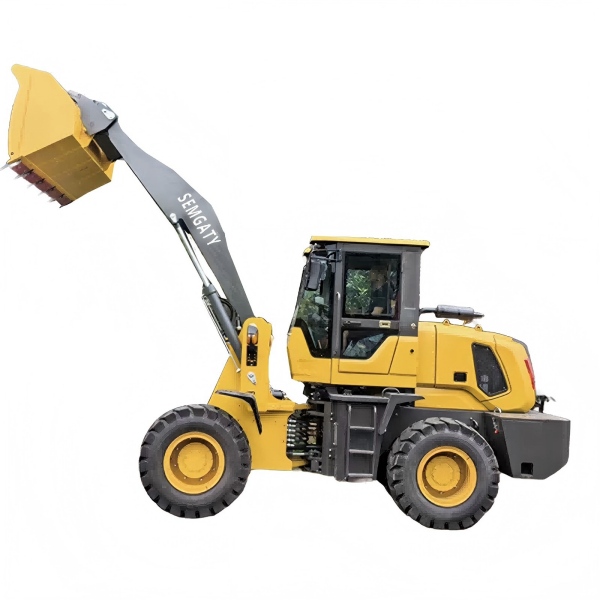
Turbocharged engine configurations gradually become mainstream power choices for medium and high-end compact loaders in global engineering machinery markets. Turbocharging technology enhances air intake efficiency, optimizes fuel combustion efficiency and boosts power torque output under limited engine displacement. Such power structures deliver stronger dynamic performance, higher load adaptability and better environmental friendliness compared with naturally aspirated engines.
articulating wheel loader and
compact front end loader widely adopt turbocharged power assemblies to cope with high-intensity and complex construction scenarios. Rational matching of turbocharged loaders with corresponding working conditions maximizes equipment power advantages and reduces long-term operating costs.
High-intensity continuous earthwork construction stands as core applicable scenario for turbocharged engine loaders. Large-scale soil stacking, foundation excavation and bulk material shoveling require sustained and stable high power output. Ordinary naturally aspirated engines face insufficient torque and power attenuation after long-hour heavy-load operation. Turbocharged engines maintain stable power reserve and efficient combustion state under long-duration working cycles, supporting non-stop cyclic operation of engineering projects and greatly improving overall construction progress.
High-altitude plateau construction scenarios fully release performance advantages of turbocharged power systems. Thin air environments in high-altitude areas reduce air oxygen content and weaken working efficiency of conventional naturally aspirated engines. Turbocharging structures actively compress external air to ensure sufficient oxygen supply for fuel combustion. Stable power output capacity eliminates altitude power attenuation problems and guarantees consistent working performance of loaders in mountainous and plateau engineering projects.
Complex terrain climbing and slope operation adapts perfectly to turbocharged engine characteristics. Sloped terrains and undulating grounds require instantaneous torque burst and stable climbing power during loader traveling and operation. Turbocharged power systems provide abundant torque reserve at low rotating speeds, generating strong traction for gradient climbing and obstacle crossing. Sufficient power reserve avoids stalling speed and power insufficiency during complex terrain operation processes.
compact front loader with turbocharged configurations realizes performance upgrading for medium-load intensive construction scenarios. Optimized turbocharging matching improves unit power output without excessive displacement upgrade. Enhanced dynamic performance supports frequent heavy-load shoveling and short-distance material transportation tasks in urban earthwork and yard stockpiling projects. Balanced power consumption and output advantages create high cost performance for medium-intensity continuous operation.
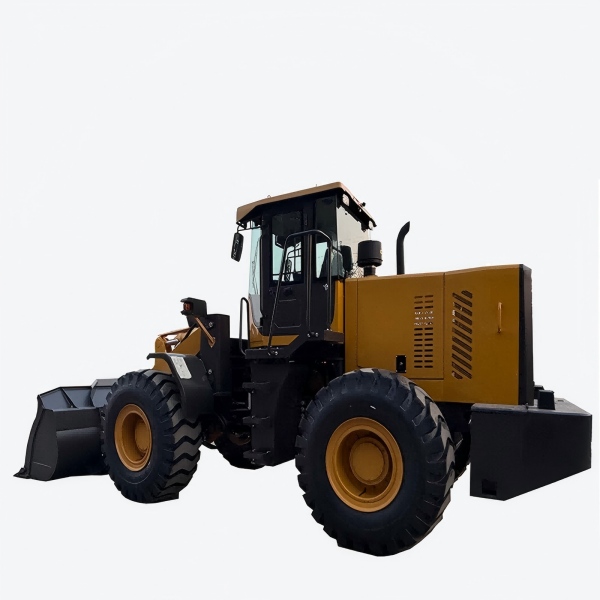
Low-temperature and high-cold region construction suits operational characteristics of turbocharged engine loaders. Severe low-temperature environments increase fuel viscosity and engine starting difficulty for ordinary power devices. Modern turbocharged engines support intelligent preheating systems and optimized fuel injection structures. Improved low-temperature starting performance and stable combustion efficiency ensure normal equipment startup and continuous operation in frost, snow and cold winter construction environments.
Dust-intensive heavy-duty working scenarios require reliable turbocharged power configuration support. Sand yards, mining auxiliary sites and gravel processing fields contain massive floating dust and harsh working conditions. Professional turbocharged engines adopt enhanced dust filtration systems and sealed air intake structures. Optimized structural design reduces dust blockage and component wear, maintaining stable power output in long-term dusty high-intensity operation.
articulating wheel loader equipped with turbocharged engines achieves superior adaptability in field complex working conditions. Articulated body structures cooperate with turbocharged power advantages to cope with frequent slope crossing, muddy ground traveling and heavy-load earthwork tasks. Sufficient torque reserve offsets power loss caused by complex terrain resistance. Integrated advantages of flexible chassis and strong power output improve construction efficiency and operational stability of field engineering projects.
Batch loading and high-frequency cyclic operation scenarios benefit greatly from turbocharged power performance. Logistics freight yards, large stockyards and road construction sites involve repetitive vehicle loading and material handling work. Frequent start-stop and instantaneous load changes test dynamic response capacity of engine systems. Turbocharged engines feature sensitive power response and rapid torque adjustment, adapting to variable load demands of high-frequency cyclic construction.
Large-scale land renovation and water conservancy engineering constitute typical application scenarios for turbocharged loaders. Land leveling, river dredging and embankment backfilling require large-torque power to handle heavy soil and wet mixed materials. Turbocharging technology enhances effective power utilization rate and reduces fuel waste during heavy-load operation. Efficient power output shortens project construction cycles and improves engineering completion quality.
compact front end loader with turbocharged power assemblies meets diversified medium and heavy-load construction demands for mixed scenarios. Balanced power performance and flexible body structure adapt to alternating working states of site leveling, material transportation and obstacle cleaning. Turbocharged power reserves eliminate power insufficiency during sudden load increase. Multi-scenario adaptation capacity makes such equipment preferred choices for comprehensive municipal and suburban engineering projects.
High-load wet material handling scenarios rely on turbocharged engine dynamic advantages. Wet soil, sticky mud and water-containing gravel materials bring larger shoveling resistance and load pressure. Naturally aspirated engines face obvious power deficiency and increased operating burden in such scenarios. Turbocharged engines provide continuous high torque to overcome material resistance, ensuring smooth shoveling, lifting and unloading of heavy wet materials.
Energy-saving and emission-limited construction scenarios match upgraded turbocharged engine technologies. New-generation turbocharged engines adopt precise fuel injection and combustion optimization designs. Improved fuel utilization efficiency reduces carbon deposit generation and exhaust emissions. Qualified emission indicators meet international environmental standards, suitable for urban environmental protection construction and standardized green engineering projects.
Long-distance site transfer and continuous traveling scenarios adapt to turbocharged loader operation characteristics. Engineering projects with multi-site alternating construction require frequent equipment migration and long-distance traveling. Turbocharged engines maintain stable power output and low fuel consumption during high-speed traveling. Durable power system structures reduce failure probability in long-distance continuous operation and improve equipment transfer efficiency.
Scientific scenario matching releases maximum value of turbocharged loader equipment. Intensive medium-load construction makes full use of upgraded power performance of
compact front loader to balance efficiency and energy consumption. Complex field and high-altitude projects rely on strong power and terrain adaptation of
articulating wheel loader to guarantee construction stability. Mixed municipal engineering tasks obtain comprehensive operational advantages from turbocharged-equipped
compact front end loader.Clear classification of applicable working conditions guides reasonable procurement and operation of turbocharged loaders. Targeted equipment selection according to construction intensity, terrain complexity and material characteristics avoids power performance waste and insufficient operation capacity. Standardized scenario matching modes improve equipment utilization rate, reduce maintenance frequency and create long-term stable economic benefits for various engineering construction projects.