Basic Parameter Knowledge Essential for New Buyers in Loader Procurement
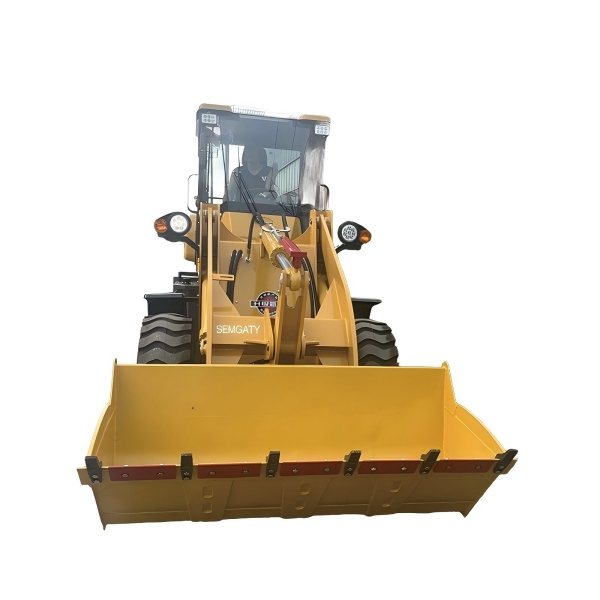
Cross-border loader procurement requires accurate identification of core equipment parameters to avoid mismatched models and wasted procurement budgets. New purchasing practitioners often prioritize exterior appearance and quoted prices while ignoring key technical indicators that determine operational performance and service life. Mastery of standard machinery parameters builds professional procurement judgment and guarantees high matching degree between equipment and construction scenarios.
articulating wheel loader and
compact front end loader deliver differentiated parameter settings for diverse engineering demands. Systematic parameter learning helps new buyers complete standardized and cost-effective loader procurement operations.
Rated load capacity stands as the most fundamental parameter for loader model classification and scenario matching. Official rated load values represent safe bearing limits under factory standardized testing environments. Reasonable load parameter selection needs alignment with daily material weight and single-shoveling workload of construction projects. Excessively low load parameters cause insufficient construction output and restricted project progress. Overly high load configurations bring unnecessary procurement cost increases and performance surplus for conventional light-load tasks.
Engine power parameters directly determine power output capacity and working intensity tolerance of loaders. Power indicators reflect equipment response speed, climbing performance and heavy-load operation stability. Different power calibrations adapt to low-frequency light-load work and continuous high-intensity earthwork tasks. Professional procurement teams verify rated power, torque output and energy-saving calibration standards to screen qualified power configurations suitable for local construction environments.
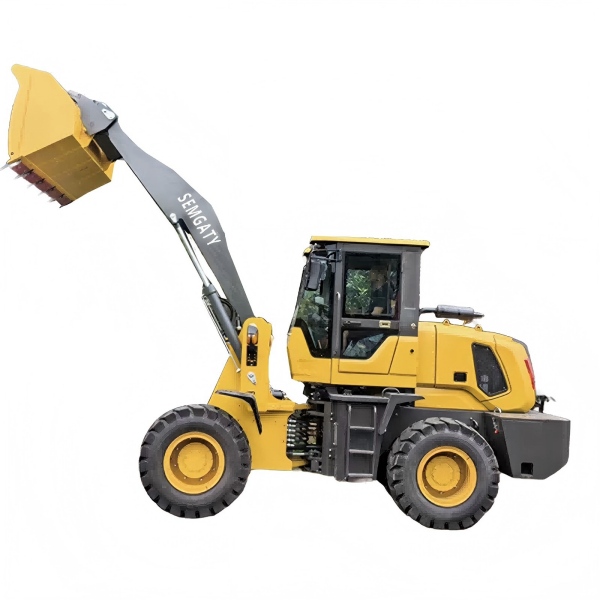
Wheelbase and track width parameters define chassis stability and terrain adaptation performance. Dimension data of chassis structures influence body anti-roll capacity, traveling smoothness and turning flexibility. Extended wheelbase optimizes longitudinal stress distribution during heavy-load lifting. Widened track width enhances transverse balance on uneven and sloped grounds. Coordinated dimension parameters support stable operation in complex field construction scenarios.
compact front loader adopts standardized lightweight parameter settings tailored for novice procurement groups. Fixed rated load, low-to-medium power configuration and compact chassis dimensions form unified product positioning. Simplified parameter systems reduce selection difficulty for new buyers engaged in small-scale farmland renovation, yard sorting and municipal maintenance. Stable parameter matching ensures reliable operational performance and low maintenance difficulty in daily light-load construction.
Bucket capacity parameter affects overall construction efficiency of loader equipment. Bucket volume standards determine single shoveling throughput and cyclic operation frequency. Small-capacity buckets suit precise material handling and narrow-space operation. Large-capacity bucket configurations improve bulk material stacking and vehicle loading efficiency for large-area construction sites. New buyers need to match bucket parameters with site space and daily construction workload.
Operating weight parameters reflect overall structural strength and anti-tilt performance of loaders. Equipment self-weight maintains body balance during lifting, traveling and turning processes. Moderate self-weight design avoids excessive ground pressure on soft muddy sites. Reinforced heavy-weight structures provide stable grounding force for heavy-load shoveling and high-intensity operation. Weight parameters serve as key reference for terrain adaptability judgment.
articulating wheel loader features unique articulated structure parameters different from rigid-frame machinery. Special hinge rotation angles, steering radius limits and torsion tolerance values support flexible operation on complex terrains. Professional structural parameter calibration reduces frame wear during frequent slope crossing and obstacle avoidance. Unique parameter settings create superior terrain adaptation advantages for field and mountain construction projects.
Travel speed parameters control operational safety and construction efficiency of field equipment. Multi-level speed adjustment modes adapt to material shoveling, site transfer and long-distance traveling demands. Low-speed stable settings guarantee precise operation in narrow working areas. High-speed transfer functions improve mobility for multi-site alternating construction tasks. Reasonable speed parameter matching balances safety standards and working efficiency.
Hydraulic system parameters determine operation sensitivity and load lifting stability. Hydraulic pressure values, flow rates and cylinder stretching strokes control bucket lifting, dumping and resetting actions. High-precision hydraulic parameter calibration ensures smooth equipment operation without jitter or material spilling. Stable hydraulic output standards reduce operational errors and improve construction precision for novice operators.
compact front end loader integrates balanced parameter configurations to adapt to multi-scenario medium-load construction. Moderate rated load, universal power output and flexible chassis dimension parameters coordinate practicality and economy. Comprehensive parameter settings support frequent switching of earthwork leveling, material transportation and site cleaning tasks. Versatile parameter advantages meet most conventional engineering demands for novice bulk procurement.
Gradeability parameters represent maximum climbing angles of loader equipment under full-load states. Slope resistance indicators play vital roles in mountainous area construction and undulating terrain operation. Qualified gradeability values ensure stable power output and no backward sliding during slope traveling. New buyers focusing on suburban and field projects need to prioritize inspection of slope performance parameters.
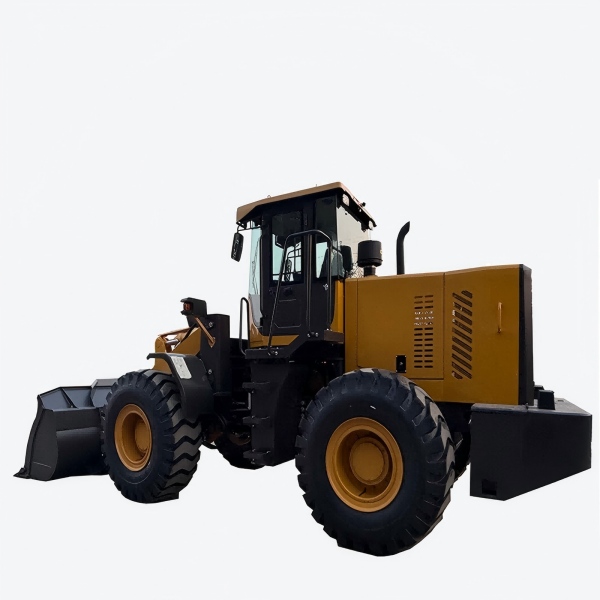
Fuel consumption and emission parameters affect long-term operating costs and market compliance. Optimized fuel consumption indicators reduce daily operation expenditure for long-duration construction. Updated emission parameter standards meet local environmental supervision requirements and customs clearance rules. Parameter verification of energy-saving and environmental performance avoids later market access obstacles and high operational costs.
Warranty and structural durability parameters reflect long-term utilization value of loaders. Frame material thickness, welding process standards and wearing part hardness determine equipment fatigue resistance. Standardized durability parameters guarantee stable performance output under long-term start-stop and cyclic operation. New buyers ignore such hidden parameters and easily purchase products with insufficient structural strength and short service life.
Novice procurement logic relies on standardized parameter matching to avoid selection errors. Basic light-load projects adopt balanced parameter settings of
compact front loader to control procurement cost. Complex terrain engineering requires professional structural parameters of
articulating wheel loader to ensure construction safety. Multi-purpose medium-scale projects choose comprehensive parameter configurations of
compact front end loader to maximize equipment utilization.
In-depth understanding of core loader parameters builds professional procurement capability for new industry practitioners. Full verification of load capacity, power, dimension, hydraulic and safety parameters eliminates information asymmetry in machinery trading. Precise parameter matching between equipment and construction scenarios optimizes project efficiency, reduces failure rates and creates stable economic benefits for long-term engineering operation.