Cause Analysis of Power Attenuation for Loaders During Long-term Operation
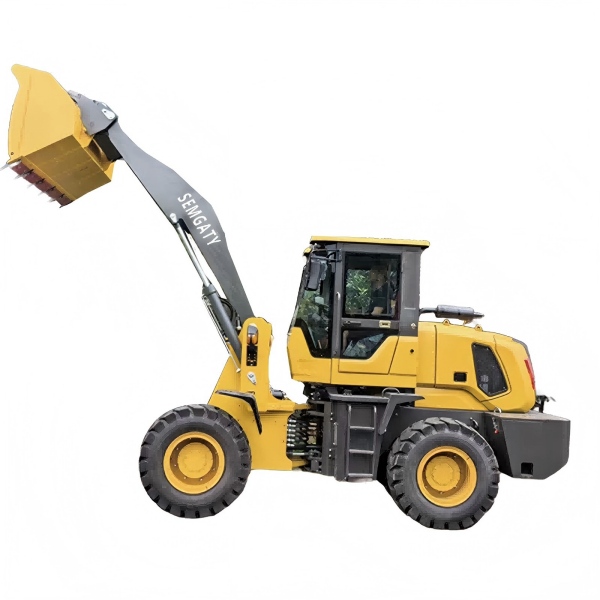
Loaders undertake continuous shoveling, material stacking and earthwork filling tasks in mining, road construction and municipal engineering. Long-term uninterrupted operation easily triggers gradual power attenuation, weakening working breakout force, hydraulic response efficiency and overall construction capacity. Systematic exploration of power attenuation causes helps construction teams formulate targeted maintenance and operation optimization schemes. Scientific analysis results apply to performance inspection and fault correction of
small articulating loader and multiple mainstream loader types.
Power attenuation refers to continuous decline in effective output power and working efficiency after mechanical equipment runs for long hours under rated load. The phenomenon universally exists in high-intensity construction scenarios and restricts construction progress of engineering projects. Multiple internal structural wear and external environmental factors jointly induce power loss of loaders. Clarification of core influencing factors effectively solves insufficient power output and unstable operating state of long-running construction machinery.
Engine intake system blockage acts as a primary inducement of long-term operation power attenuation. Dust, gravel powder and suspended particles in construction air adhere to filter elements and intake pipelines after long-hour operation. Blocked air intake channels reduce air inflow and destroy reasonable air-fuel mixing proportion. Insufficient combustion efficiency directly lowers effective power output of engines and affects continuous working performance of
small payloader in frequent cyclic operation.
Engine carbon deposition accumulation aggravates power loss during long-term continuous operation. Incomplete fuel combustion generates carbon deposits attached to cylinder walls, fuel injectors and turbocharging cavities. Thickened carbon layers reduce cylinder compression ratio, block fuel injection holes and delay fuel atomization. Continuous accumulation of impurities further weakens power reserve and stable output capacity of
wheel loader under heavy-load working conditions.
Thermal load accumulation and high-temperature performance recession accelerate power attenuation speed of loaders. Long-term full-load operation generates massive heat inside engine and hydraulic systems. Sustained high-temperature environment reduces engine oil viscosity, weakens lubrication effect and increases friction resistance of internal moving parts. Continuous heat accumulation also causes thermal expansion of structural components and reduces operation precision of power transmission structures.
Turbocharging system fatigue loss leads to insufficient power supplement in late operation stage.
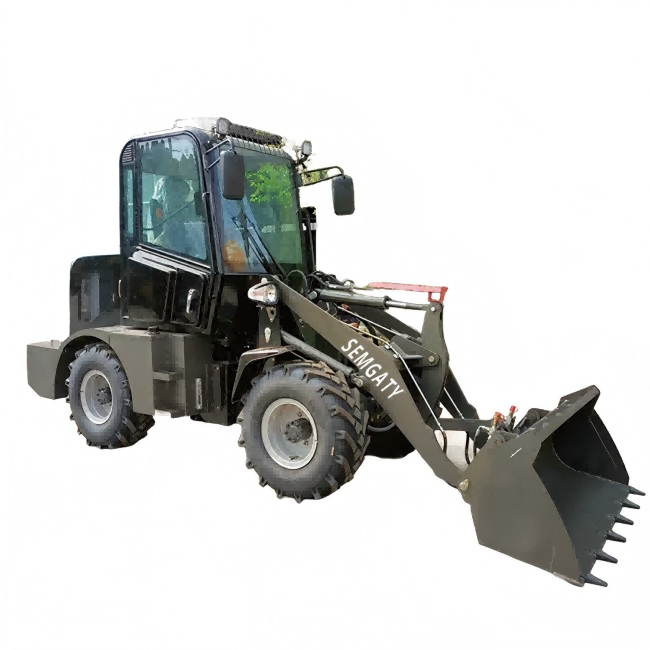
Turbochargers maintain high-speed rotation for dozens of hours continuously in engineering construction. Long-term high-load operation causes wear of rotating bearings and aging of sealing components. Reduced supercharging efficiency fails to provide sufficient air intake compensation and triggers obvious power drop of small articulating loader in later continuous operation.
Hydraulic system aging and pressure loss constitute major causes of working power attenuation. Long-term repeated stretching and compression of hydraulic oil circuits cause aging and micro leakage of sealing rings and oil pipes. Unstable system pressure leads to insufficient power transmission efficiency of hydraulic pumps and distribution valves. Slow action response and reduced working strength directly reflect overall power attenuation degree of engineering loaders.
Fuel supply system parameter drift induces unstable combustion and power fluctuation. Long-term vibration and high-temperature operation change injection pressure and advance angle of fuel injectors. Unreasonable fuel supply parameters cause uneven fuel supply and incomplete combustion. Continuous operation under uncalibrated parameters gradually reduces effective power output and increases invalid energy consumption of
wheel loader in heavy construction scenarios.
Lubricating oil performance degradation aggravates mechanical wear and power loss. Engine oil and gearbox oil gradually oxidize and deteriorate after long-hour circulation operation. Deteriorated lubricants contain metal impurities and oxide sediments, which scratch internal precision parts and increase operation friction resistance. Increased mechanical wear consumes more engine power and forms continuous power attenuation in long-term operation.
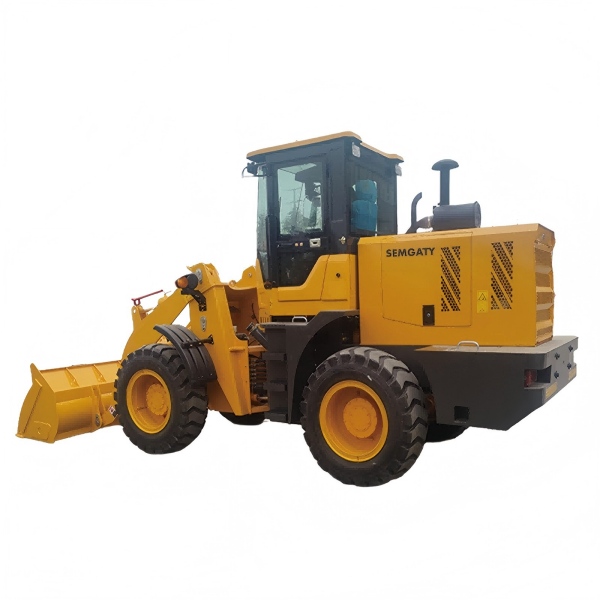
Transmission system loss accumulates to affect overall power output efficiency. Gearbox gears, drive axle bearings and differential structures bear long-term alternating load impact. Minor abrasion and clearance changes of transmission parts cause power transmission loss. Partial engine power dissipates in mechanical friction and vibration, reducing effective working power acting on loader working devices.
Environmental factors exacerbate power attenuation degree in special construction scenarios. High-temperature seasons, dusty sites and high-altitude areas aggravate equipment operation load. High temperature accelerates oil deterioration and component aging; dense dust speeds up intake system blockage; low-pressure and low-oxygen environments reduce engine combustion efficiency. External environmental superposition significantly shortens stable power operation cycle of
small payloader and medium-sized loaders.
Unstandard operation habits accelerate early power attenuation of loaders. Frequent sudden acceleration, sudden load increase and long-term overload operation break stable operation balance of power systems. Irregular operation modes cause long-term impact loss of engines and hydraulic structures, leading to premature performance recession and shortened service life of core power components.
Unscheduled maintenance leads to cumulative hidden dangers of power attenuation. Delayed replacement of filter elements, overdue use of lubricating oil and neglected cleaning of carbon deposits form long-term equipment operation defects. Tiny faults continue to accumulate and evolve into obvious power performance problems, affecting long-term stable operation of construction machinery.
Different types of loaders show differentiated power attenuation characteristics. Compact small loaders mainly suffer from intake blockage and hydraulic aging under frequent short-cycle operation. Heavy-duty loaders face more severe carbon deposition and thermal load loss under long-term heavy-load operation. Targeted cause analysis needs combination of equipment tonnage and actual working conditions.
Power attenuation caused by structural component fatigue belongs to long-term cumulative performance loss. Repeated stress impact on vehicle frames, boom structures and connection parts causes subtle metal fatigue. Decreased structural rigidity affects operation stability of working devices and indirectly reduces effective working power of loaders in shoveling and pushing operations.
Cooling system failure indirectly induces continuous power decline. Blocked heat dissipation fins, aging cooling fans and insufficient coolant content reduce heat dissipation efficiency. Unable to discharge internal heat in time leads to long-term high-temperature operation of engines, further aggravating carbon deposition and component wear to form cyclic power attenuation.
Industry operation data shows that most loader power attenuation problems stem from cumulative wear of consumable parts and untimely maintenance. Regular detection and maintenance of intake system, fuel system and hydraulic system can effectively delay power recession and maintain long-term stable output performance of equipment. Standardized operation and maintenance become key measures to control power attenuation risks.
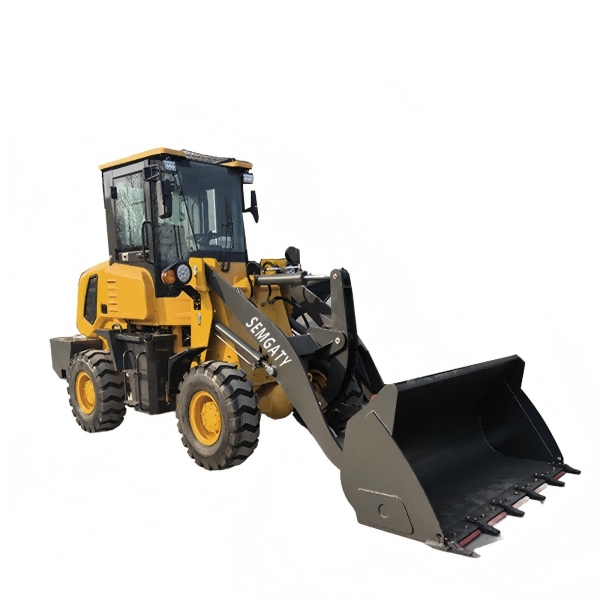
Effective control of power attenuation significantly improves construction efficiency and reduces operation costs. Timely elimination of carbon deposition, replacement of aging accessories and calibration of fuel parameters restore rated power performance of loaders. Stable power output ensures continuous and efficient progress of long-cycle engineering construction tasks and reduces equipment downtime loss.
In-depth analysis of power attenuation causes provides technical support for equipment maintenance optimization. Construction enterprises can formulate targeted maintenance plans according to attenuation characteristics of different loader models and working environments. Refined maintenance management effectively prolongs stable service cycle of construction machinery and improves overall operation benefits of engineering projects.