

Classification of Wheel Loader: Application-Based and Transmission-Based Insights
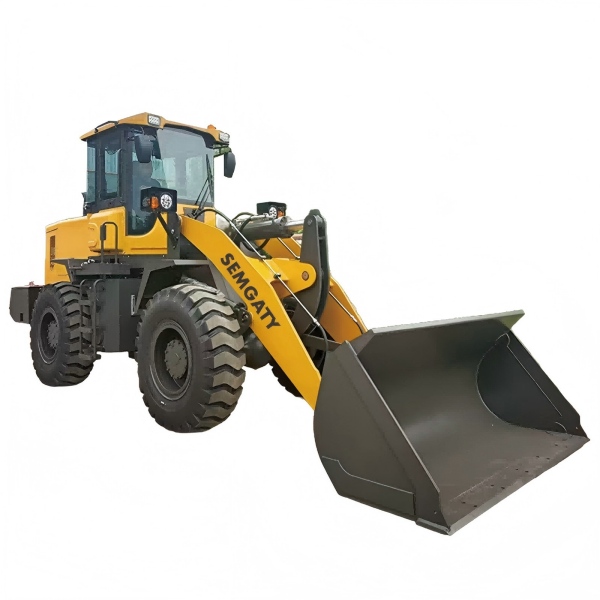
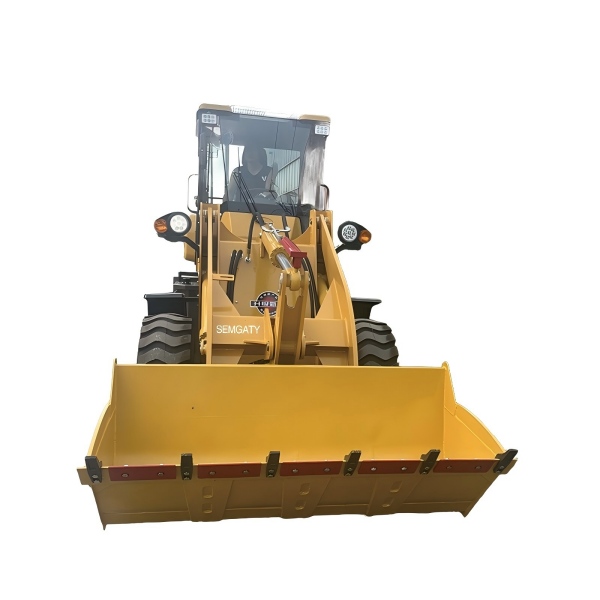
In modern construction and material handling industries, small articulating loader, wheel loader, big wheel loader play essential roles in improving efficiency and productivity. While traditional classification is based on tonnage, a more practical approach divides small articulating loader, wheel loader, big wheel loader by application scenarios and transmission systems. Such classification helps buyers select suitable equipment based on real working conditions.
Application-Based Classification of Wheel Loader
From an application perspective, small articulating loader, wheel loader, big wheel loader can be divided into agriculture and livestock series, municipal and construction series, and heavy-duty series. Each category serves specific industries and operational requirements.
Agriculture and Livestock Series
In agricultural and livestock environments, small articulating loader is widely used due to compact size and flexibility. Feeding operations, manure handling, and farm material transport are efficiently completed using small articulating loader.
Low ground pressure allows small articulating loader to operate on soft surfaces without damaging soil. Wheel loader models designed for agriculture often include special attachments for hay handling and feed distribution.
Municipal and Construction Series
For urban projects, wheel loader is commonly used in road construction, site preparation, and material handling. Wheel loader provides balanced power and maneuverability for municipal engineering tasks.
Small articulating loader is also suitable for narrow streets and urban renovation projects. Wheel loader with versatile attachments improves efficiency in cleaning, loading, and transporting materials.
Heavy-Duty Series
In mining and large-scale construction, big wheel loader is designed for high-intensity operations. Big wheel loader handles heavy materials such as stone, ore, and bulk aggregates.
High power output and large bucket capacity allow big wheel loader to maintain productivity under demanding conditions. Reinforced structure ensures durability and long service life.
Transmission-Based Classification of Wheel Loader
From a technical perspective, small articulating loader, wheel loader, big wheel loader can also be classified by transmission system, including hydrostatic transmission series and fixed-shaft power shift series.
Hydrostatic Transmission Series
Hydrostatic transmission is commonly used in small articulating loader. Smooth speed control and precise operation make small articulating loader ideal for applications requiring accuracy and flexibility.
Energy efficiency and reduced mechanical wear are key advantages of hydrostatic systems. Wheel loader models equipped with hydrostatic transmission are suitable for light-duty and precision work environments.
Fixed-Shaft Power Shift Series
Fixed-shaft power shift transmission is widely applied in wheel loader and big wheel loader. Strong torque output and high transmission efficiency support heavy-duty operations.
Big wheel loader equipped with power shift transmission delivers stable performance in mining and large construction projects. Durable drivetrain ensures long-term reliability.
Conclusion
Small articulating loader, wheel loader, big wheel loader can be effectively classified based on application scenarios and transmission systems. Agriculture, municipal engineering, and heavy-duty industries require different machine configurations.
Selecting the right small articulating loader, wheel loader, big wheel loader improves efficiency, reduces operational cost, and ensures long-term performance.