Common Causes and Preventive Measures of Hydraulic System Oil Leakage for Loaders
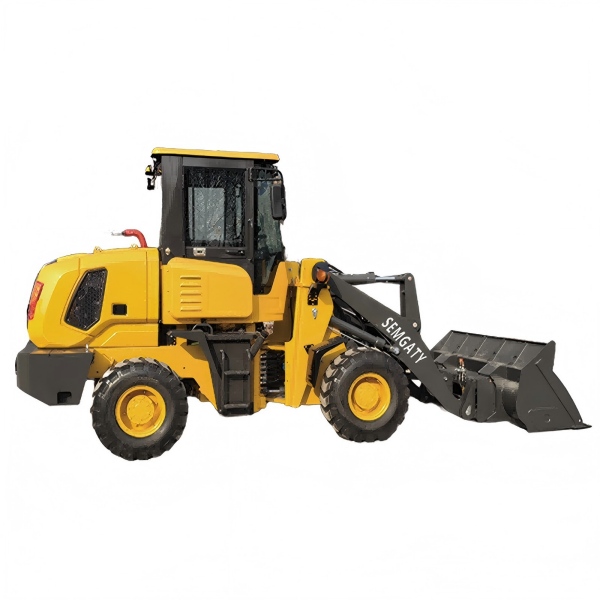
Hydraulic systems serve as the core power transmission structure of compact loaders, controlling bucket lifting, dumping, steering and overall operational actions. Stable sealing performance and complete oil circuit guarantee continuous high-efficiency operation of construction machinery. Oil leakage faults easily trigger power attenuation, reduced working precision and increased maintenance costs for loader equipment.
articulating wheel loader and
compact front end loader rely on sophisticated hydraulic loop designs to support multi-scenario construction tasks. Systematic analysis of leakage triggers and standardized prevention strategies effectively reduce hydraulic failure rates and extend overall equipment service life.
Aging and damage of sealing components rank as the primary cause of hydraulic oil leakage. Long-term operation under high pressure, frequent temperature changes and external dust erosion accelerate aging of rubber seals, gaskets and oil ring parts. Hardened, cracked or deformed sealing structures lose original compression and fitting performance. Tiny gaps generated at pipeline joints and component assembly positions lead to slow seepage or obvious oil outflow. Regular inspection of sealing accessories forms basic defense against hydraulic leakage faults.
Excessive hydraulic pressure overload induces structural deformation and oil circuit leakage. Unregulated overloading operation, violent bucket impact and sudden hydraulic acceleration generate instantaneous pressure surge beyond system rated values. Super high internal pressure squeezes hydraulic oil through weak sealing positions and thin pipeline walls. Long-term overpressure operation causes irreversible fatigue damage to hydraulic components and forms persistent leakage points inside hydraulic systems.
Improper installation and unstandardized maintenance create artificial leakage risks. Uneven bolt fastening, misaligned pipeline joints and distorted gasket placement during assembly result in incomplete sealing fit. Rough disassembly operations scratch sealing surfaces and thread structures of hydraulic parts. Unprofessional oil replacement work mixes impurities into hydraulic circuits and wears internal sealing structures. Standardized operation and maintenance processes eliminate human-induced leakage hidden dangers.
compact front loader faces frequent minor leakage faults due to daily light-load cyclic operation. Frequent start-stop actions and repeated hydraulic pressure fluctuations accelerate aging of small sealing parts. Long-term low-intensity operation without regular system inspection leads to accumulated oil seepage at arm cylinder joints and steering oil circuits. Targeted daily maintenance and seal replacement cycles effectively control leakage problems for such lightweight loader models.
External environmental corrosion and physical abrasion damage hydraulic system integrity. Construction sites feature gravel impact, muddy water soaking and long-term ultraviolet exposure. External pipeline surfaces and exposed sealing assemblies suffer continuous friction and corrosion. Damaged outer protective layers allow dust and moisture to erode internal hydraulic structures. Progressive component damage gradually develops into macroscopic hydraulic oil leakage affecting normal construction progress.
Degradation and contamination of hydraulic oil accelerate internal system wear and leakage. Overdue hydraulic oil replacement leads to reduced oil viscosity and weakened lubrication performance. Impurity accumulation inside oil circuits scratches precision valve bodies, cylinder walls and sealing surfaces. Worn internal components destroy original sealing tolerance and form micro gaps for oil penetration. Clean and qualified hydraulic oil maintains tight fitting state of all hydraulic assemblies.
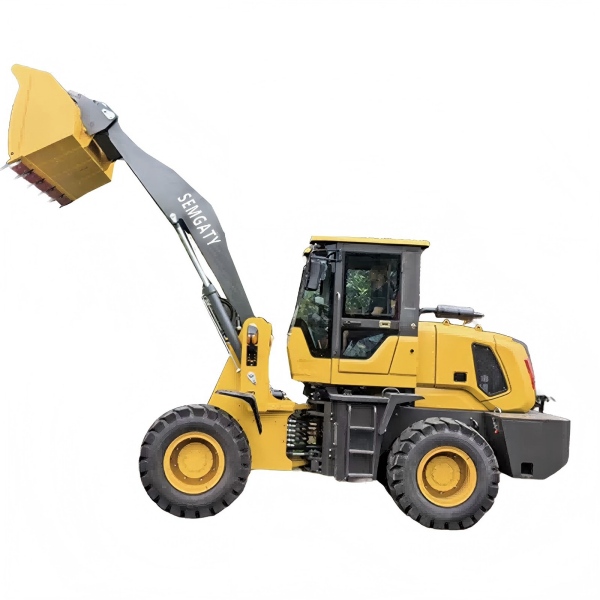
articulating wheel loader encounters special leakage risks from terrain-adaptive operation characteristics. Articulated steering and undulating ground traveling produce continuous torsion and extrusion on middle hydraulic pipelines. Repeated structural bending and stretching fatigue pipeline materials and internal sealing parts. Complex terrain operation raises higher requirements for hydraulic pipeline toughness and sealing durability compared with fixed-frame construction machinery.
Loose pipeline fixation and structural vibration induce gradual oil seepage. High-frequency mechanical vibration during loader operation loosens pipeline clamps and fixed supports. Unfixed hydraulic pipelines swing repeatedly and rub against adjacent structural parts. Continuous friction wears pipeline outer walls and joint sealing structures. Regular fastening inspection of hydraulic pipeline supports stabilizes oil circuit layout and avoids vibration-induced leakage faults.
High and low temperature extreme environments aggravate hydraulic sealing failure. High-temperature working conditions soften rubber sealing parts and reduce compression resistance. Low-temperature environments harden sealing components and cause brittle cracking. Alternating temperature changes destroy material stability of sealing accessories. Seasonal climate adaptation maintenance effectively offsets temperature-induced hydraulic system performance degradation.
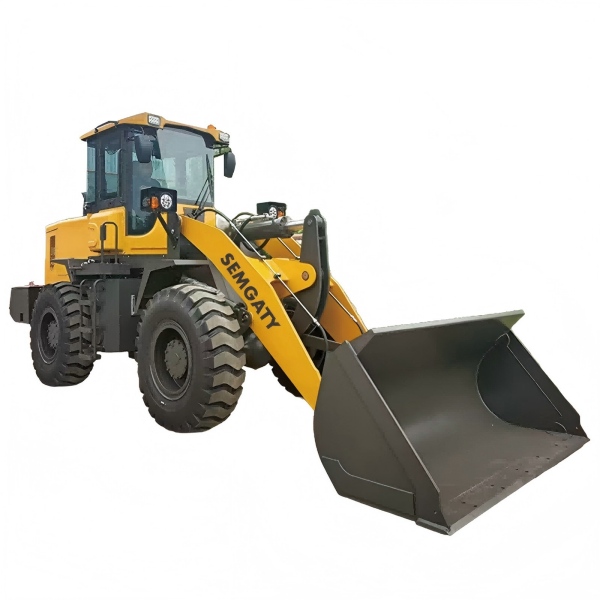
compact front end loader presents balanced leakage characteristics in multi-scenario medium-load operation. Moderate hydraulic pressure output and stable working intensity avoid extreme pressure damage to oil circuits. Mixed construction environments still generate cumulative wear on sealing assemblies and pipelines. Scientific periodic maintenance and environment-adaptive protection maintain intact hydraulic system performance for versatile medium-sized loader equipment.
Standardized daily inspection mechanisms form the first line of leakage prevention. Operators conduct visual observation of pipeline joints, cylinder rods and valve group surfaces after daily operation. Timely cleaning of surface oil stains and dust helps discover early minor seepage signs. Quick troubleshooting of loose joints and aging seals prevents minor faults from evolving into large-scale hydraulic leakage failures.
Regular sealing component replacement eliminates aging-induced hidden dangers. Manufacturers formulate unified replacement cycles for rubber seals, gaskets and wear-resistant rings according to operation hours. Timely renewal of aging accessories maintains original sealing precision of hydraulic systems. Batch replacement of aging parts during seasonal maintenance stabilizes long-term hydraulic system working state.
Standardized load operation modes prevent overpressure hydraulic damage. Strict compliance with rated load limits avoids instantaneous overload impact on hydraulic systems. Gentle bucket operation and stable power output reduce pressure fluctuation amplitude inside oil circuits. Scientific operation habits protect hydraulic components and sealing structures from fatigue damage caused by irregular mechanical impact.
Professional hydraulic oil management ensures internal system cleanliness and stability. Regular oil quality testing and periodic oil replacement avoid deteriorated oil corrosion and abrasive wear. Installation of high-precision filter elements blocks impurity circulation inside hydraulic circuits. Clean internal working environment maintains complete sealing performance and extends service life of hydraulic assemblies.
Targeted prevention strategies match differentiated loader operation scenarios. Light-load frequent operation of
compact front loader focuses on regular seal inspection and oil quality maintenance. Complex terrain torsion operation of
articulating wheel loader emphasizes pipeline fastening and anti-fatigue protection. Multi-scenario mixed operation of
compact front end loader implements full-cycle standardized hydraulic maintenance schemes.
Comprehensive prevention and control of hydraulic oil leakage optimize equipment operational stability and economic benefits. Scientific integration of daily inspection, regular component replacement, standardized operation and oil system maintenance eliminates most hydraulic leakage faults. Complete hydraulic protection system reduces downtime loss and maintenance costs, maximizing service life and operational value of compact loaders in global engineering construction industries.