Common Purchase Mistakes to Avoid When Buying a Wheel Loader
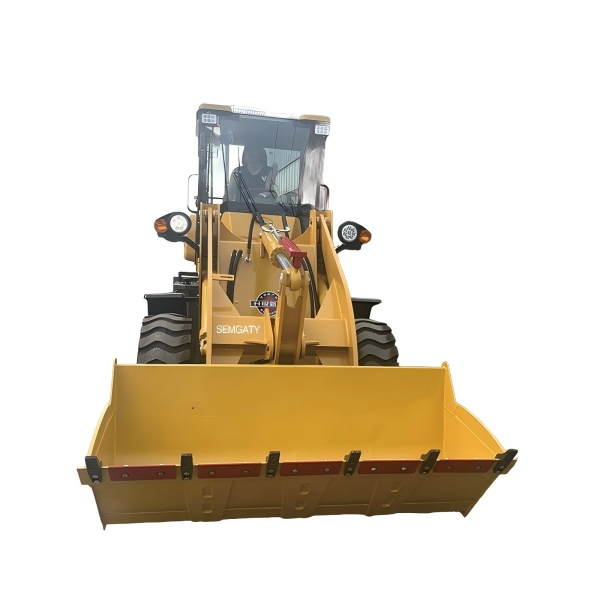
Engineering construction projects rely heavily on loading machinery to complete earthmoving, material handling and site arrangement tasks. Reasonable equipment procurement directly affects project efficiency, operating costs and long-term construction benefits. Many project purchasers and fleet owners fall into various hidden traps during machinery selection and procurement stages. Blind pursuit of low prices, neglect of structural configuration differences and ignorance of working condition adaptability lead to frequent equipment failures and increased operational expenses.
Loader procurement requires comprehensive evaluation of configuration, craftsmanship and scenario matching instead of simple price comparison. Systematic identification of procurement risks helps users obtain high-value and durable industrial
Loader for long-term construction investment.
Excessive pursuit of low purchase prices ranks as the most common mistake in construction machinery procurement. Numerous buyers prioritize initial investment cost and ignore core configuration standards and production craftsmanship of construction equipment. Low-priced loading equipment usually adopts thin sheet metal, ordinary welding technology and simplified hydraulic parts. Such products show poor structural stability and insufficient power output under actual working conditions. Long-term maintenance costs and downtime losses far exceed saved initial procurement funds. Rational procurement logic focuses on comprehensive service value rather than one-time price advantage for engineering mechanical devices including professional wheel loader machine. Qualified manufacturers provide standardized configuration parameters and complete after-sales support for every formal wheel loader machine delivery.
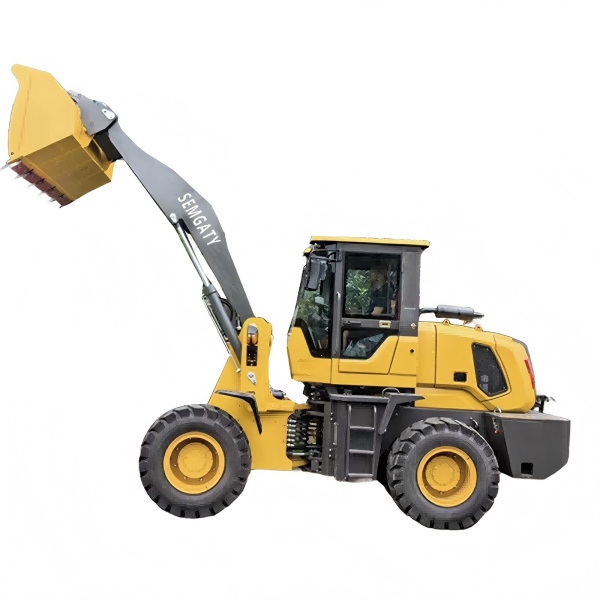
Neglect of working condition matching causes serious performance waste and structural damage for heavy-duty loading equipment. Different construction scenarios including mining, earthwork, forestry and yard handling put forward completely different load-bearing and anti-wear requirements. Ordinary standard models fail to adapt to high-intensity impact and friction from heavy ore and hard soil materials. Purchasers without professional industry experience often select unified specifications for all construction environments. Random model selection leads to insufficient bearing capacity or excessive functional redundancy. Professional tonnage and configuration matching become essential preconditions for stable operation of heavy-duty
big wheel loader in harsh working sites. Customized structural designs and reinforced configurations fully meet extreme load demands of large-scale
big wheel loader in high-frequency construction cycles.
Ignorance of frame and welding quality differences creates hidden safety hazards for long-term equipment operation. Most buyers only check appearance and basic functions while ignoring internal frame structures and welding details. Low-quality loading equipment adopts manual welding with incomplete fusion and tiny crack defects. Ordinary frame structures lack stress relief treatment and integral forging molding. Micro defects gradually expand under continuous vibration and heavy load impact, resulting in frame deformation and structural fracture. High-quality equipment adopts automatic robotic welding and integral frame forming technology to ensure overall structural rigidity. Welding precision and structural processing standards determine anti-deformation performance and service life of all loading machinery in complex construction environments.
Blind neglect of hydraulic system configuration differences affects overall working efficiency of loading machinery. The hydraulic system serves as the core power output structure responsible for lifting, shoveling and dumping actions. Many procurement teams fail to distinguish high-quality hydraulic components from ordinary simplified accessories. Low-standard hydraulic pipelines and common valve blocks cause slow response, unbalanced power output and easy oil leakage. Unqualified hydraulic matching increases fuel consumption and reduces construction progress. High-end loading equipment adopts high-precision hydraulic accessories and optimized pipeline layout. Strict pressure testing and sealing treatment guarantee stable power transmission under long-term alternating load. Professional hydraulic configuration identification effectively avoids low-efficiency operation and frequent maintenance troubles.
Overlooking vulnerable parts quality and replacement standards increases later operation costs. Ordinary low-cost loading equipment equips with inferior wear-resistant parts including bucket teeth, pin shafts and sealing rings. Such accessories feature short service life and frequent damage, requiring regular replacement and shutdown maintenance. Continuous accessory replacement and labor investment generate huge hidden costs for project operation. Formal high-quality equipment adopts high-hardness alloy vulnerable parts with longer service cycles and stronger anti-wear performance. Clear parts replacement cycle standards and complete accessory supply channels reduce later maintenance pressure and ensure continuous and stable construction progress.
Confusion between refurbished equipment and brand-new products leads to serious investment losses. Many informal sales channels mix refurbished, repaired and overhauled equipment with brand-new machines for sales. Worn engine parts, modified hydraulic systems and repaired frame structures cannot be distinguished through simple appearance observation. Refurbished equipment hides aging components and structural damage problems, bringing frequent failures and short service life. Professional procurement requires comprehensive inspection of engine operating conditions, welding trace details, component production dates and hydraulic system calibration data. Standard acceptance procedures eliminate risks of purchasing refurbished machines at new equipment prices.
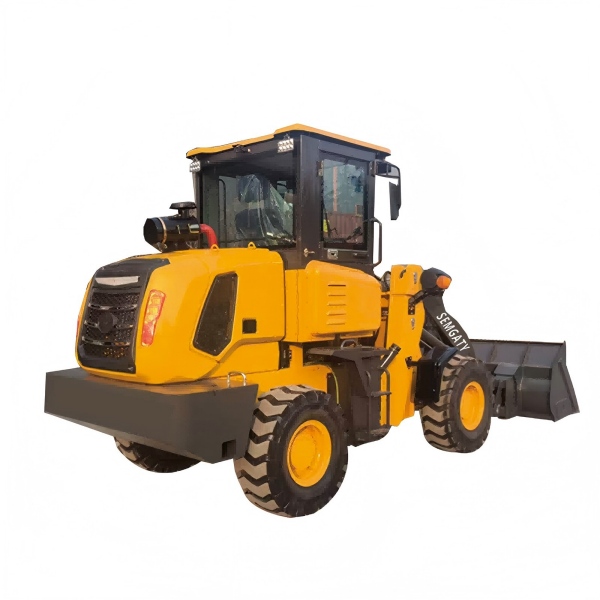
Ignorance of after-sales service guarantees causes long-term operational risks for construction fleets. Small-scale workshops and informal manufacturers provide no complete after-sales system and technical support. Equipment failures occurring in remote construction sites cannot obtain timely maintenance and repair services. Long-time shutdown stagnation delays project progress and generates huge economic losses. Regular powerful manufacturers provide nationwide after-sales outlets, professional technical guidance and rapid accessory supply services. Complete service guarantee system solves all operational troubles for construction equipment users and ensures sustainable construction efficiency of engineering projects.
Blind pursuit of excessive configurations creates unnecessary investment waste for general construction scenarios. Some buyers blindly select high-configuration heavy-duty models for simple yard handling and light earthwork tasks. Excessive power parameters and reinforced structures increase equipment self-weight and fuel consumption. Daily operation costs maintain at a high level while functional advantages fail to exert practical value. Scientific configuration matching selects corresponding standard models according to actual load demands and working intensity. Reasonable matching between equipment performance and construction demands balances investment cost and working efficiency to achieve maximum economic benefits.
Neglect of anti-corrosion and surface treatment standards accelerates equipment aging speed. Construction sites feature humid air, dust erosion and chemical corrosion substances. Equipment without professional anti-corrosion treatment suffers from paint peeling, metal rust and structural aging. Ordinary low-cost equipment only conducts simple surface spraying without shot blasting derusting and multi-layer anti-corrosion coating. High-quality loading machinery adopts multi-stage surface pretreatment and electrostatic spraying technology. Compact paint layers and anti-corrosion structures resist long-term environmental erosion and maintain complete equipment performance and appearance.
Incomplete inspection of factory parameters leads to inconsistent actual performance of finished equipment. Batch production of construction machinery may produce individual differences in assembly precision and parameter calibration. Purchasers without professional acceptance standards easily receive equipment with unqualified power parameters and unbalanced hydraulic sensitivity. Standard acceptance work includes static parameter detection, dynamic load test and full-function operation inspection. Strict factory inspection verification ensures purchased equipment completely meets design performance standards and avoids performance attenuation in early operation stages.
Summary of procurement avoidance rules helps users build scientific machinery selection systems. Common procurement traps mainly focus on price misleading, configuration confusion, quality hiding and service missing. Systematic investigation of equipment structure, hydraulic performance, craftsmanship details and after-sales support effectively eliminates unqualified products. Scientific procurement thinking abandons blind price comparison and focuses on long-term stability, low maintenance cost and high construction efficiency. Standard selection and acceptance methods create higher investment return and stable operational guarantee for engineering construction projects.