

Compact Skidsteer Safety and Operation Guide: Improving Efficiency and Reducing Risks on Job Sites
Growing Use of Compact Skidsteer Equipment
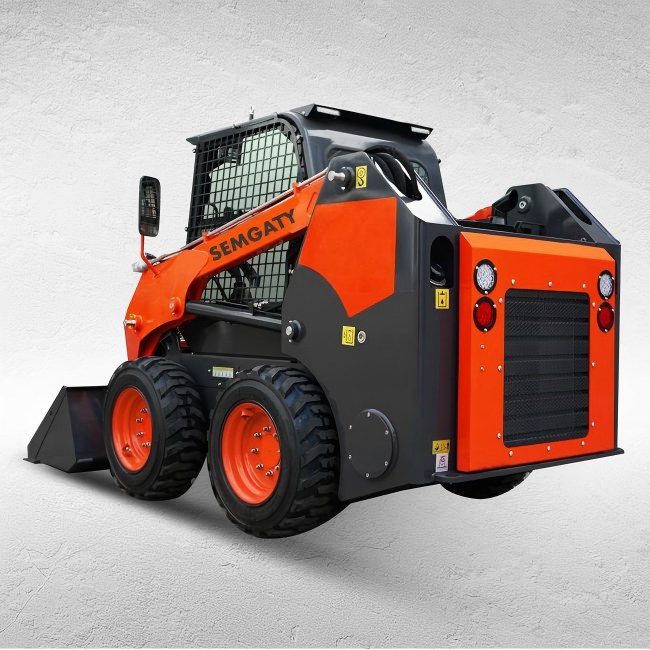
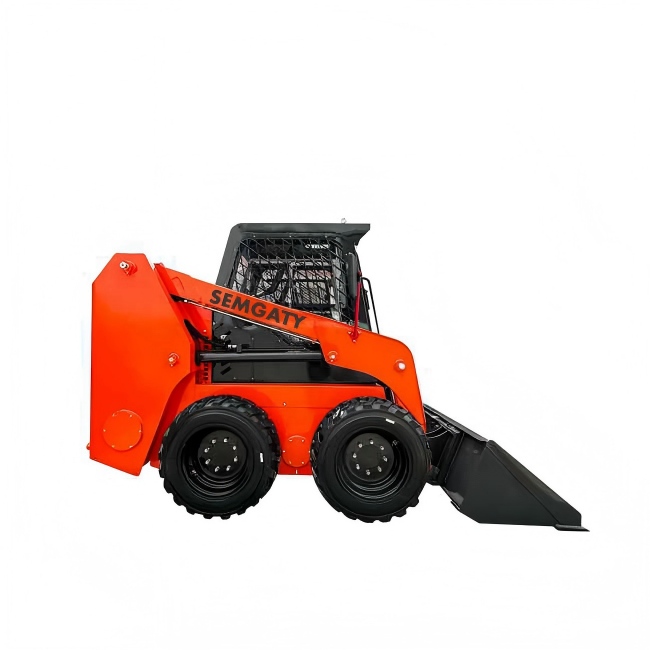
With the expansion of construction, agriculture, and landscaping industries, machines such as compact skidsteer, mini skid steer loader, and skidsteer equipment are widely used across global job sites. Contractors prefer compact skidsteer machines because of small size, strong structure, and flexible operation.
A mini skid steer loader is designed for efficiency in confined spaces, while a skidsteer provides reliable performance in material handling and site preparation. Because of increasing demand, proper operation of compact skidsteer equipment has become more important than ever.
Importance of Safe Operation for Mini Skid Steer Loader
A compact skidsteer is a self-propelled machine with powerful hydraulic systems and responsive controls. However, improper handling of a mini skid steer loader may lead to safety risks for operators and surrounding workers.
Professional operators understand that safe use of skidsteer equipment requires full knowledge of machine performance. Following correct procedures ensures that a compact skidsteer can operate efficiently while minimizing accidents.
A well-trained operator using a mini skid steer loader can significantly improve productivity and extend equipment lifespan.
Pre-Operation Safety Guidelines for Skidsteer Equipment
Before operating a compact skidsteer, proper preparation is essential. Operators of a mini skid steer loader should avoid wearing loose clothing that could be caught in moving parts.
When entering a skidsteer, operators must face the machine, hold the handles firmly, and step on anti-slip pedals. Maintaining three-point contact ensures safe entry into a compact skidsteer.
A seatbelt must always be fastened when operating a mini skid steer loader. Such precautions reduce risks during machine movement and operation.
Starting Procedures for Compact Skidsteer Machines
Before starting a compact skidsteer, operators must ensure that the parking brake is engaged. A mini skid steer loader should only be started from the operator’s seat.
The surrounding area must be checked carefully before operating a skidsteer. No personnel should remain close to the machine during startup of a compact skidsteer.
Each mini skid steer loader has a rated operating capacity. Exceeding the rated load of a skidsteer may cause instability or tipping accidents.
Core Operating Principles for Mini Skid Steer Loader
Efficient operation of a compact skidsteer requires following key principles. A mini skid steer loader should not use the bucket to aggressively impact materials, as excessive force may damage the machine.
When a skidsteer carries a load, the lift arms of the compact skidsteer should remain in a low position. Such positioning improves stability and operator visibility.
Operators must keep both hands on the control levers of the mini skid steer loader. Standing or extending the body outside a skidsteer during operation is strictly unsafe.
Smooth Control and Terrain Awareness
A compact skidsteer should always be operated smoothly. Sudden stops, rapid acceleration, or sharp turns may destabilize a mini skid steer loader.
Uneven terrain requires extra caution. A skidsteer should avoid operating on highly irregular surfaces whenever possible. When working on slopes, a compact skidsteer must travel straight up or down rather than across.
The heavier side of a mini skid steer loader should remain uphill during slope operation. Proper balance ensures safe movement of the skidsteer under load.
Safe Material Handling with Skidsteer Equipment
When approaching a material pile, a compact skidsteer should reduce speed gradually. A mini skid steer loader should lift materials slowly while maintaining a level bucket position.
During reverse operation, operators of a skidsteer must check the rear area carefully. Before moving forward, a compact skidsteer operator should observe all directions to avoid collisions.
A mini skid steer loader must never carry passengers. A skidsteer is designed for single-operator use only.
Working Environment and Ventilation Requirements
Operating a compact skidsteer in enclosed environments requires proper ventilation. Exhaust gases from a mini skid steer loader may pose health risks without adequate airflow.
A skidsteer should be used in open or well-ventilated areas whenever possible. Proper environmental awareness ensures safe operation of compact skidsteer equipment.
Parking and Shutdown Procedures
Before leaving a compact skidsteer, operators must lower the lift arms and bucket to the lowest position. A mini skid steer loader should be parked securely to prevent accidental movement.
Following correct shutdown procedures helps protect both the skidsteer equipment and surrounding personnel. A well-maintained compact skidsteer can achieve longer service life and better performance.
Long-Term Value of Proper Skidsteer Operation
Correct operation of a compact skidsteer not only improves safety but also enhances machine durability. A mini skid steer loader that follows proper usage guidelines experiences less wear and reduced maintenance costs.
Because of strong versatility and compact design, skidsteer equipment continues to gain popularity worldwide. Businesses investing in compact skidsteer machines benefit from improved efficiency and operational flexibility.
Conclusion: Safety First for Maximum Efficiency
A compact skidsteer, mini skid steer loader, and skidsteer machine delivers excellent performance only when operated correctly. Understanding safety principles and operational techniques ensures reliable performance in various industries.
By following proper guidelines, operators can maximize productivity, reduce risks, and extend the lifespan of compact skidsteer equipment.