

Compact Wheel Loaders: Detailed Parameter Analysis & Practical Buying Guide
In the global small construction machinery market, compact wheel loaders have become the preferred equipment for engineering teams, agricultural operators and landscaping businesses, thanks to their flexible adaptability, stable performance and high cost-effectiveness. Different from large wheel loaders and skid steer loaders, these small machines perfectly balance operational flexibility, power output and use cost, and play a vital role in diverse small and medium-sized operation scenarios. For global purchasers, mastering the core technical parameters and scientific selection methods of such equipment is the key to choosing suitable machines, improving work efficiency and controlling investment costs.
To select a compact wheel loader that matches actual needs, it is essential to have a thorough understanding of its core technical parameters, as each parameter directly determines the machine's applicable scenarios and work efficiency. The rated load capacity is the most fundamental parameter, referring to the maximum safe weight of materials the loader can carry and transport. For most daily small-scale operations, the rated load ranging from 800kg to 2500kg can fully meet the demand, and users should select based on the average weight of materials handled daily to avoid insufficient load or performance redundancy.
Dumping height is another core indicator that cannot be ignored, which determines the maximum height for material dumping and directly affects the smooth progress of truck loading and material stacking. The conventional dumping height of compact wheel loaders is between 2.5 meters and 4 meters, adapting to most standard transport vehicles and stacking sites. Users must take the actual maximum required height as the reference to ensure the machine can complete basic operational tasks smoothly.
Engine performance is closely related to the machine's power output, fuel consumption and service life. Most compact wheel loaders are equipped with diesel engines that meet international environmental protection standards, with a power range of 30kW to 80kW, ensuring stable operation on flat ground and slightly complex terrain. The environmental protection emission standard of the engine is also a key consideration to adapt to the machinery use regulations of different countries and regions.
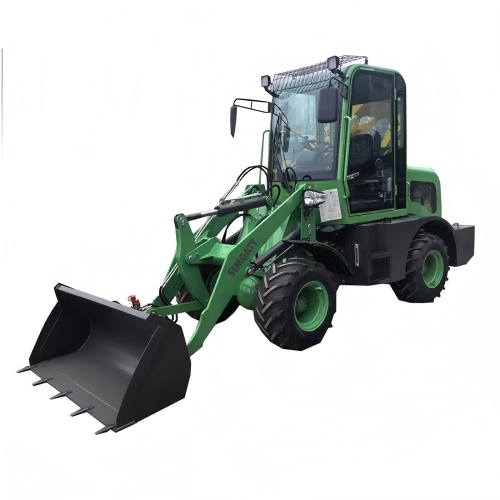
The overall size and turning radius directly affect the machine's maneuverability in narrow spaces. For limited spaces such as urban communities, indoor construction sites and small farms, machines with a compact body and small turning radius can easily pass through narrow passages, solving the construction dilemma that large machinery cannot enter. The hydraulic system configuration determines the smoothness of operation; a high-quality hydraulic system ensures coordinated lifting, dumping and retracting actions, reducing material scattering and improving overall work efficiency.
sub compact wheel loader is designed for ultra-narrow operation scenarios, featuring an extremely compact body and light weight, enabling flexible movement in confined spaces such as indoor renovation sites and narrow farm alleys. It is mainly used for light material handling, with convenient transfer and transportation, bringing great convenience for scattered small-scale operations.
Bucket capacity needs to be matched with the rated load reasonably. For light bulk materials such as grain and forage, a slightly larger bucket can be selected, while for heavy materials like soil, sand and gravel, a standard-capacity bucket is more suitable to ensure operational stability and efficiency.
When selecting equipment, users should avoid blindly pursuing high configuration. Overly high power and load parameters will increase purchase and use costs, while insufficient parameters will affect work efficiency and operational safety. Balancing actual working needs with machine performance is the core principle of scientific selection.
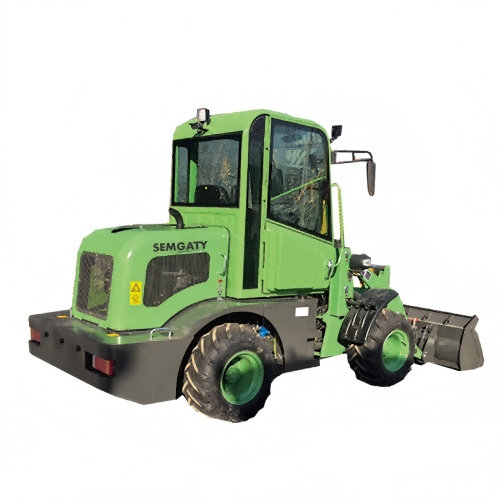
mini wheel loader has a balanced performance in load capacity and flexibility, with moderate size and stable power output. It is suitable for municipal road maintenance, agricultural orchard management and small construction sites, and can adapt to long-hour continuous operation, with outstanding cost performance for medium-sized operation demands.
The versatility of the machine is also an important consideration. Most compact wheel loaders can be equipped with various attachments such as forks, sweepers and snow plows, realizing multi-purpose use of one machine and expanding the application scope, which effectively improves the utilization rate of equipment investment.
After-sales service and spare parts supply are crucial for overseas users. Machines with simple maintenance structure, convenient maintenance and perfect global after-sales channels can reduce downtime caused by faults and lower long-term operating costs.
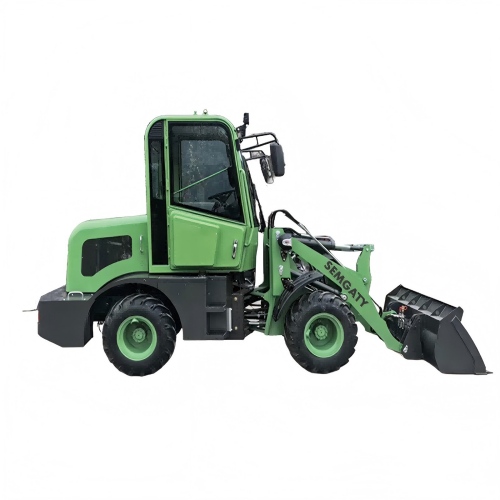
compact wheeled loader has better chassis stability and stronger load capacity, adapting to slightly complex terrains such as soft soil and uneven ground. It is widely used in logistics yard material handling, large-area landscaping and other scenarios, ensuring stable and safe operation in outdoor operations.
Regular maintenance is essential to extend the service life of the machine. Regular inspection of hydraulic oil, engine filters and tire wear can avoid sudden failures, and standardized operation can reduce mechanical loss, keeping the machine in efficient working condition for a long time.
For users with higher requirements for site adaptability, sub compact wheel loader has obvious advantages in ultra-narrow space operations; for users pursuing balanced performance, mini wheel loader is the optimal choice; for users focusing on operational stability and load capacity, compact wheeled loader can meet long-term use needs.
In summary, selecting a suitable compact wheel loader requires comprehensive consideration of technical parameters, actual working conditions and long-term use needs. Accurate matching of machines and scenarios can maximize work efficiency, reduce comprehensive costs, and bring stable economic benefits to users in engineering, agriculture and landscaping industries. With the development of global refined construction, the market demand for compact wheel loaders will continue to rise, and the product technology will be more optimized to meet the diversified needs of global users.