Comprehensive Benefit Comparison Between Rental and Purchase of Large Wheel Loaders
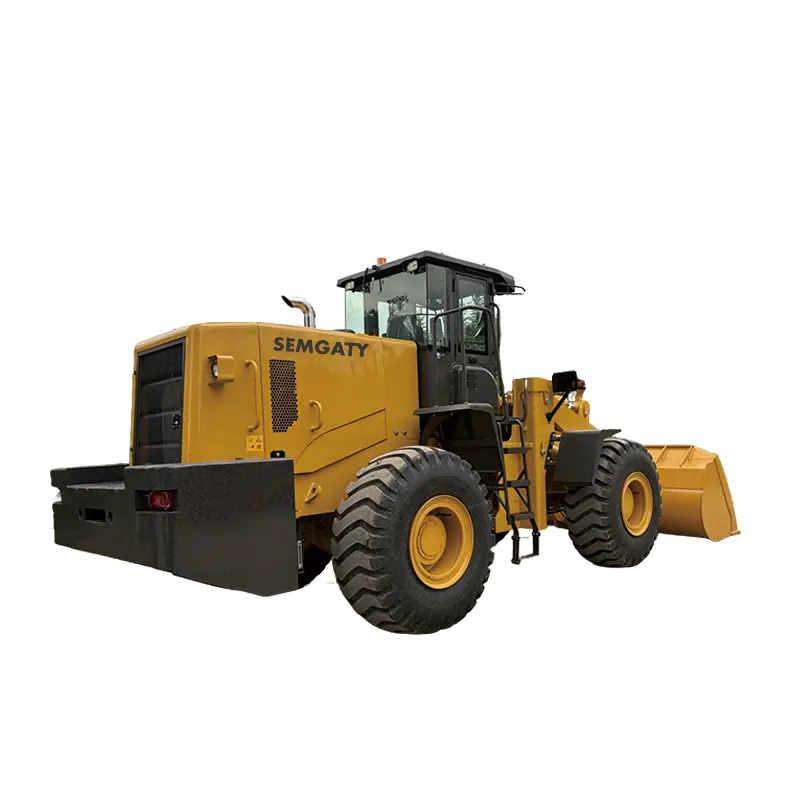
Construction enterprises face persistent dilemmas in equipment asset allocation for earthwork, quarry development and bulk material handling projects. Equipment rental and direct purchase represent two mainstream asset deployment modes for construction loading machinery in modern engineering markets. Different allocation modes bring distinct differences in capital occupation, operational flexibility, maintenance costs and long-term investment returns. In-depth analysis of comprehensive benefits helps fleet managers formulate cost-effective equipment deployment plans matching project cycles.
Loader involved in short-term project construction gains higher economic flexibility through scientific rental schemes. Long-term and large-scale engineering layouts maximize asset appreciation value of self-owned industrial
Loader via direct procurement modes.
Initial capital investment differences form the most intuitive benefit gap between rental and purchase modes. Direct equipment purchase requires one-time payment of full machine value, accessory configuration fees and pre-operation debugging charges. Large fund outflow squeezes circulating capital for raw material procurement, labor settlement and project expansion of construction teams. Equipment rental only generates periodic usage fees and eliminates huge one-time capital pressure. Flexible capital allocation improves fund liquidity and supports multi-project parallel development. Reasonable capital planning optimizes investment return cycles for standard
wheel loader machine in short-cycle engineering tasks. Low upfront investment thresholds expand operational flexibility of rented commercial
wheel loader machine for temporary construction demands.
Long-term operational cost differences further distinguish economic advantages of two deployment methods. Purchased equipment generates continuous expenditures covering daily maintenance, vulnerable part replacement, regular lubrication and fault repair fees. Self-owned machinery also bears depreciation loss, storage costs and seasonal idle consumption during off-project periods. Rented equipment transfers most maintenance and depreciation risks to leasing companies with fixed rental budgets. Stable cost control avoids unexpected mechanical maintenance expenditures and asset depreciation losses. Scientific cost comparison verifies long-term economic superiority of targeted deployment for heavy-duty
big wheel loader in multi-year construction layouts. Adjustable rental cycles reduce idle asset waste and comprehensive operating costs of large-scale
big wheel loader for intermittent project demands.
Project adaptation flexibility creates core competitive differences between rental and purchase modes. Construction project scales, construction cycles and working scenarios show strong uncertainty in engineering industries. Short-term small-scale projects fail to support full value depreciation of newly purchased loading machinery. Long-term idle state of self-owned equipment causes severe asset waste and occupied storage resources. Equipment rental supports flexible cycle adjustment according to actual project duration and task volume. Rapid equipment replacement meets scenario switching demands between earthwork, stockyard sorting and road renovation. Flexible deployment modes perfectly match dynamic project changes and eliminate resource waste risks.
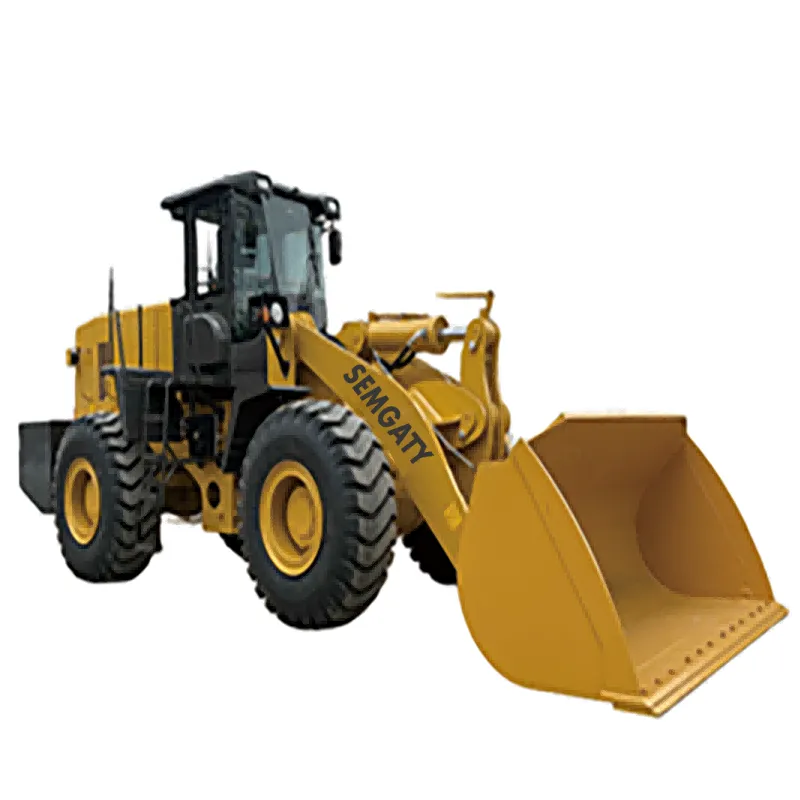
Maintenance and after-sales burden allocation optimizes operational management efficiency. Self-purchased loading equipment requires establishment of professional maintenance teams and standardized daily management systems. Full-cycle inspection, lubrication, fault diagnosis and part replacement consume abundant human resources and time costs. Leasing providers undertake full after-sales maintenance responsibilities and timely fault repair services. On-site equipment debugging, vulnerable part renewal and system optimization belong to service contents of leasing suppliers. Outsourced maintenance services reduce internal management pressure and improve equipment operational stability during construction cycles.
Equipment update iteration efficiency adapts rapid technological upgrading trends. Construction machinery industry witnesses continuous innovation in intelligent configuration, energy-saving technology and environmental protection standards. Self-owned equipment faces technical backwardness and performance lag after several years of service. Frequent new machine purchase increases overall investment costs and asset replacement pressure. Rental modes support free switching of latest equipment with intelligent configurations and low-energy consumption systems. Timely access to upgraded machinery maintains construction competitiveness and meets increasingly strict engineering construction standards.
Asset risk resistance capacity varies greatly between two deployment strategies. Self-purchased wheel loaders bear multiple risk factors including market price fluctuation, equipment aging acceleration and policy standard upgrading. Idle equipment generates continuous depreciation loss even without participation in construction tasks. Policy adjustments of environmental protection and construction safety may reduce practical utilization value of old machinery. Rental modes avoid long-term asset risks and allow timely withdrawal of equipment investment at project completion. Risk decentralization mechanisms stabilize overall investment income of construction fleets in volatile engineering markets.
Construction continuity guarantee reflects practical operational value of different allocation modes. Self-owned equipment achieves zero waiting time for project startup and supports immediate construction arrangement. Sufficient equipment scheduling freedom avoids supply delays caused by leasing resource shortage in peak construction seasons. Rented machinery may face resource tension and equipment adjustment delays during industry construction peaks. Stable self-owned equipment resources ensure uninterrupted project progress and improve construction efficiency for long-term fixed-site projects. Independent equipment scheduling rights enhance overall project controllability for large-scale engineering enterprises.
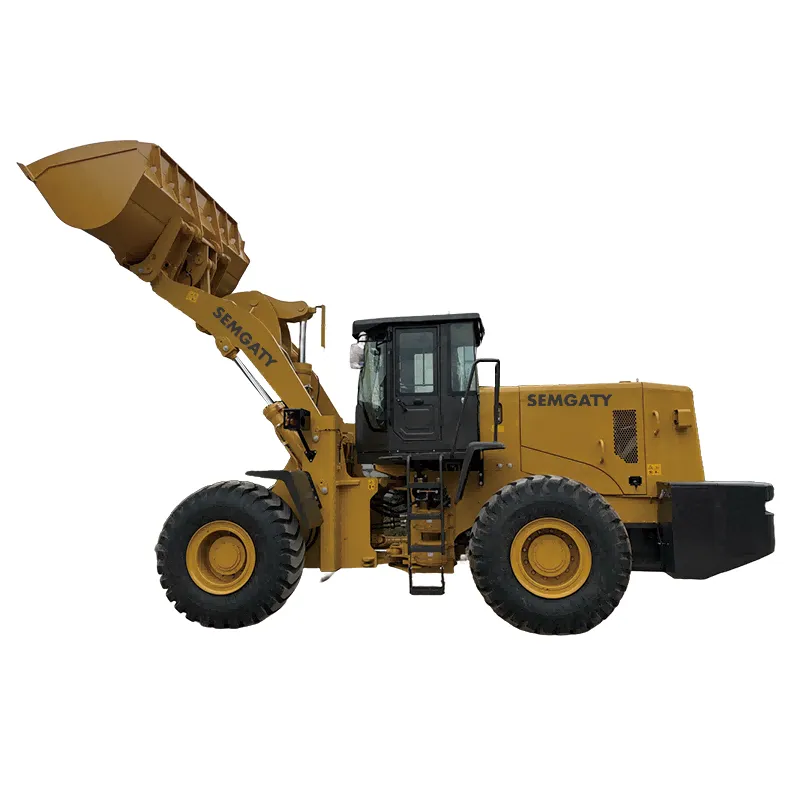
Tax and financial benefit differences optimize comprehensive investment returns. Equipment purchase allows one-time asset depreciation accounting and corresponding tax deduction policies in enterprise financial management. Fixed asset investment improves enterprise asset scale and credit qualification for subsequent large project bidding. Equipment rental generates recurring operational expenditure with flexible tax deduction modes suitable for small and medium-sized construction teams. Reasonable financial accounting modes reduce comprehensive tax burden and optimize enterprise capital structure. Different financial policies bring differentiated profit margins for diverse enterprise operation scales.
Labor and management cost optimization supplements comprehensive benefit gaps. Self-owned equipment requires fixed staffing for daily operation, maintenance and warehouse management. Long-term salary expenditure increases daily operational overhead of construction enterprises. Rented equipment usually matches professional operators and management services from leasing companies in most scenarios. Outsourced labor services reduce fixed staffing pressure and cut long-term human resource costs. Flexible labor allocation modes improve personnel utilization efficiency and reduce invalid labor expenditure during off-season periods.
Long-term asset appreciation and industry competitiveness promote sustainable enterprise development. Accumulated self-owned equipment assets upgrade enterprise hardware strength and project bidding advantages. Complete equipment resource reserves support long-term brand building and large-scale project undertaking capacity. Continuous rental expenditure only meets temporary usage demands without forming fixed enterprise assets. Stable asset accumulation improves enterprise anti-risk capability and market competitiveness in long-term industry competition. Balanced allocation of self-owned and rented equipment forms scientific asset deployment systems for sustainable development.
Scientific deployment matching strategies maximize comprehensive economic benefits. Short-term projects, seasonal construction tasks and trial engineering projects prioritize rental modes to reduce capital occupation and asset risks. Long-term fixed-site projects, large-scale continuous construction and core business layout prioritize purchase modes to stabilize construction continuity and accumulate fixed assets. Reasonable combination of rental and purchase modes balances capital liquidity, construction stability and long-term asset appreciation. Targeted equipment allocation schemes eliminate single-mode investment defects and optimize overall profit space for construction enterprises.