Comprehensive Comparison of Advantages and Disadvantages of Mainstream Loader Engine Brands
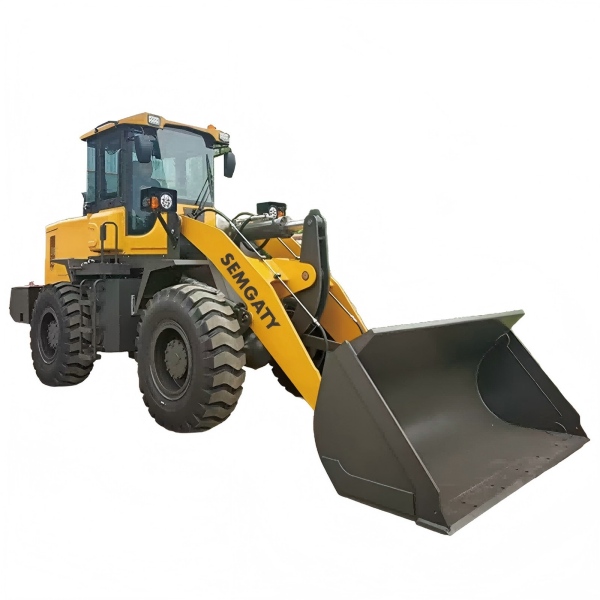
In engineering construction, mining, municipal engineering and other fields, loaders play irreplaceable roles. Engine, as core power source of loaders, directly determines operating efficiency, service life and operating cost. With continuous development of loader industry, various mainstream engine brands emerge one after another, each with unique advantages and disadvantages. Application scenarios of small articulating loader and wheel loader vary greatly, so rational selection of engine brands becomes crucial for improving equipment performance and reducing operating losses.
Current mainstream loader engine brands mainly include Weichai, Yuchai, Cummins, Caterpillar (CAT) and DEVELON. These brands occupy major market share and are widely used in different types of loaders. Each brand is designed and optimized for different operating scenarios and load requirements, leading to obvious differences in power performance, fuel economy, reliability and maintenance costs. Understanding these differences helps enterprises and operators make scientific choices based on actual needs.
Weichai engines, as representative domestic brands, are widely matched with various loaders, especially small payloader and medium-sized wheel loaders. Advantages lie in strong adaptability, able to work stably in high altitude, low temperature and other harsh environments. WP3.6N series engines, as core products, have undergone strict durability tests, with B10 life up to 20000 hours, showing excellent reliability. Fuel economy is outstanding, average fuel consumption is 12% lower than competitors, and single bucket fuel consumption is reduced by 25%. Maintenance costs are relatively low, and spare parts are widely available, facilitating quick maintenance and reducing downtime.
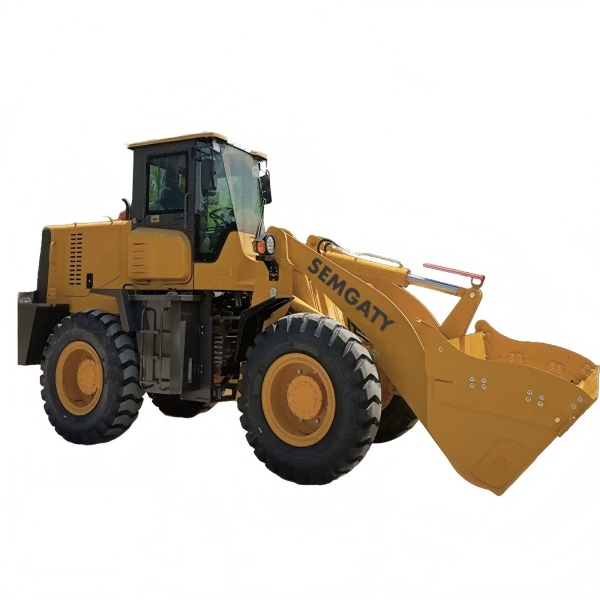
Disadvantages of Weichai engines are mainly reflected in high-speed performance. Compared with international brands, vibration and noise are slightly larger during high-speed operation, which may affect operator comfort during long-term operation. In heavy-duty and high-intensity continuous operation scenarios, heat dissipation performance needs to be further improved. For largearticulating loader with ultra-high load requirements, power reserve is slightly insufficient, which may affect long-term stable operation.
Yuchai engines, another important domestic brand, focus on energy conservation and environmental protection, and are widely used in small and medium-sized loaders. Advantages include compact structure, small volume and light weight, very suitable for small articulating loader with limited installation space. Emission standards meet national and international requirements, and exhaust gas treatment technology is mature, which is in line with current green development trends. Torque performance is excellent, low-speed torque is large, and it can quickly start and load under heavy load conditions.
Disadvantages of Yuchai engines are insufficient durability in heavy-duty scenarios. Long-term operation in mines and other harsh environments may easily lead to wear of internal components, reducing service life. Power density is lower than that of international brands, and it is difficult to meet high-power operation needs of large wheel loaders. After-sales service network is not as perfect as Weichai, and maintenance efficiency in remote areas is relatively low.
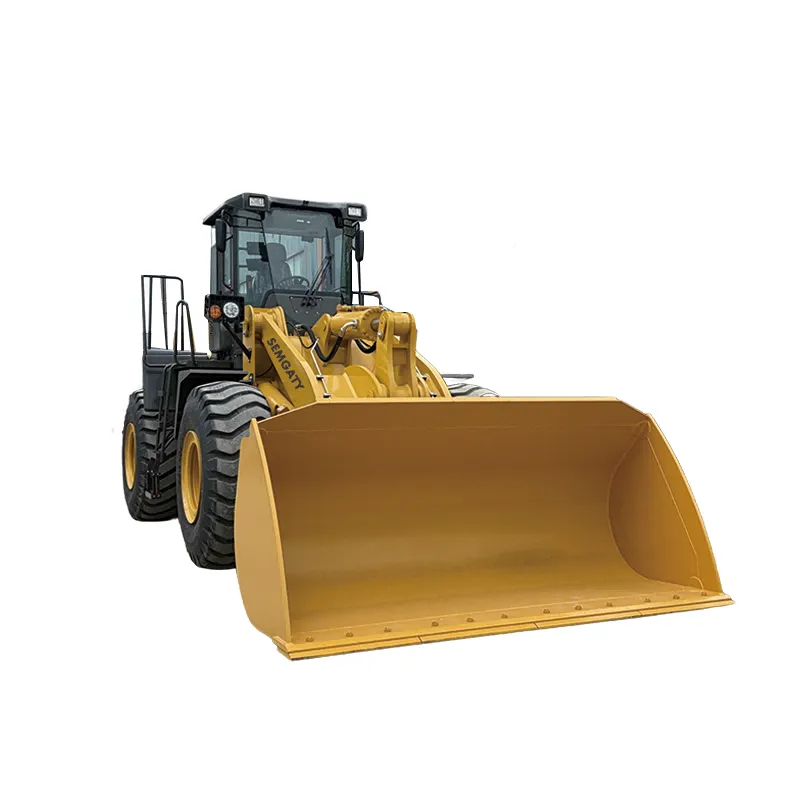
Cummins, an international well-known engine brand, is favored by large loader manufacturers for its excellent performance. Advantages include high power density, strong power reserve, and able to easily cope with heavy-duty operation needs of large wheel loader. Reliability is outstanding, with mature technology and strict quality control, and failure rate is much lower than that of ordinary domestic brands. Fuel economy is excellent, and advanced combustion technology is adopted to reduce fuel consumption while ensuring power.
Disadvantages of Cummins engines are high price, which increases initial purchase cost of loaders. Maintenance costs are relatively high, and spare parts need to be imported, leading to long supply cycle and high replacement cost. Adaptability to domestic low-quality fuel is poor, and long-term use of unqualified fuel may easily cause fuel system failures, affecting normal operation of engines.
Caterpillar (CAT) engines, as core power of CAT loaders, are perfectly matched with CAT equipment and have obvious advantages in heavy-duty scenarios. Advantages include super strong durability, able to withstand long-term high-intensity operation in mines, ports and other harsh environments, and service life is much longer than that of ordinary brands. Heat dissipation performance is excellent, and stable operation can be maintained even in high-temperature environments. Intelligent control system is advanced, which can monitor engine operation status in real time and facilitate timely maintenance.
Disadvantages of Caterpillar (CAT) engines are high overall cost, including high purchase price and expensive maintenance. Volume and weight are large, which is not suitable for small loaders such as small payloader. Spare parts supply cycle is long, and after-sales service cost is high, which increases long-term operating costs of enterprises. Fuel consumption is relatively high in light-load operation scenarios, resulting in waste of energy.
DEVELON engines, formerly known as DOOSAN engines, have gradually become mainstream choices in loader industry with continuous upgrading. Advantages include balanced performance, good power and fuel economy, suitable for various operating scenarios from light load to heavy load. Structure is simple and easy to maintain, and maintenance costs are lower than those of Cummins and Caterpillar. Adaptability to fuel is strong, and it can work stably with domestic ordinary diesel fuel.
Disadvantages of DEVELON engines are insufficient brand influence compared with international big brands, and market recognition is not as high as Cummins and Caterpillar. In ultra-heavy load and ultra-long time continuous operation scenarios, reliability needs to be further improved. Technical upgrading speed is relatively slow, and application of new energy-saving and environmental protection technologies lags behind some domestic and international brands.
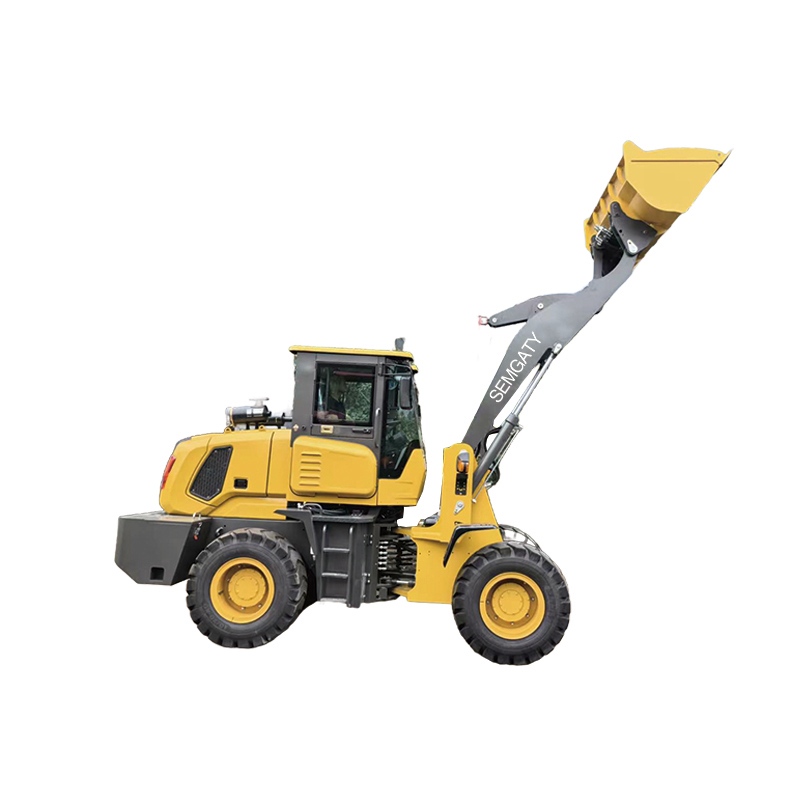
Industry data shows that reasonable selection of engine brands can reduce loader operating costs by 10%-25% and extend engine service life by 30% or more. For example, a construction enterprise using Weichai engines in small payloaders reduced monthly fuel costs by 18% compared with previously used engines. A mining enterprise using Caterpillar engines in large wheel loaders reduced equipment failure rate by 22% and extended maintenance cycle by 50%.
Selection of loader engine brands should be closely combined with application scenarios. articulating loader used in outdoor complex terrain should prioritize durability and adaptability, and Caterpillar or Weichai engines are recommended. Small payloaders used in urban and indoor scenarios should focus on compact structure and low noise, and Yuchai engines are more suitable. Large wheel loaders used in heavy-duty scenarios should choose Cummins or Caterpillar engines with strong power reserve.
With continuous upgrading of loader technology and increasing requirements for energy conservation and environmental protection, mainstream engine brands are constantly optimizing products. Weichai is accelerating the research and development of hybrid power products, with power increased by 25% and fuel consumption reduced by 35%-50%. Cummins is improving fuel adaptability to meet needs of domestic market. Yuchai is strengthening durability research to expand application in heavy-duty scenarios.
Industry experts point out that engine brands are crucial to loader application effects. No brand is perfect, and key lies in matching with actual operating needs. Enterprises should comprehensively consider factors such as power, fuel economy, reliability and maintenance costs, and select suitable engine brands according to loader types and operating scenarios.
In future, with continuous advancement of new energy and intelligent technologies, loader engines will develop towards more energy-saving, environmentally friendly and intelligent directions. Mainstream brands will further narrow gaps in performance and cost, providing more diversified choices for loader industry. For operators, mastering advantages and disadvantages of mainstream engine brands is important basis for improving operating efficiency and reducing operating costs, and also an important guarantee for promoting sustainable development of loader industry.
For enterprises engaged in loader operation and management, reasonable selection and maintenance of engine brands can effectively improve equipment utilization rate, reduce failure losses and enhance market competitiveness. In process of industry transformation and upgrading, attaching importance to engine brand selection and matching will become key link for enterprises to achieve refined management and high-quality development.