Core Factors Affecting Export Pricing of Backhoe Loaders
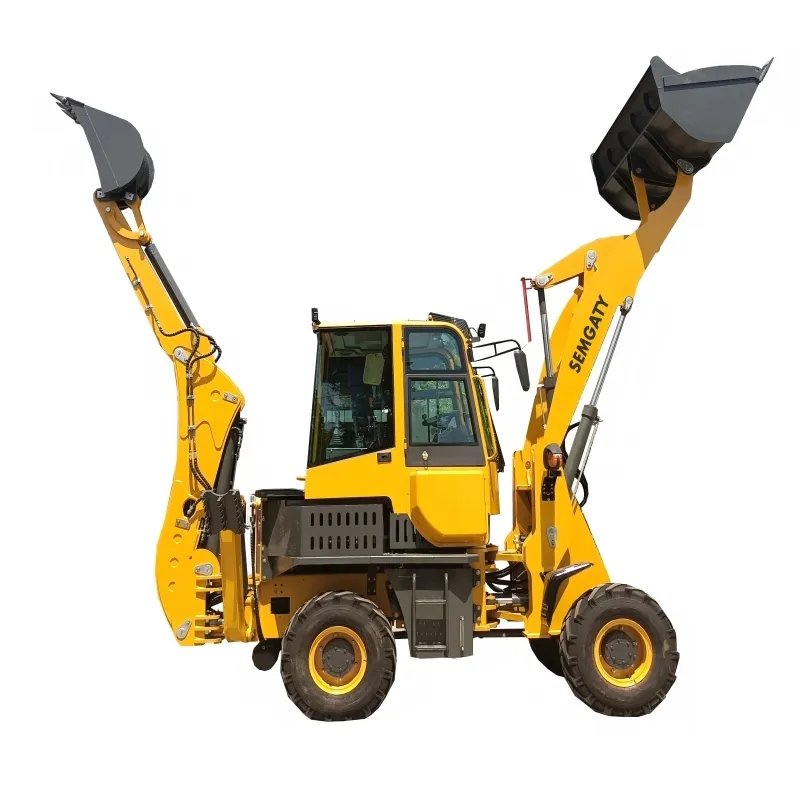
Global engineering machinery trade maintains steady growth alongside global infrastructure construction, agricultural upgrading and municipal facility renovation. Multi-functional backhoe loaders integrate digging and loading functions to serve diverse working scenarios and occupy essential positions in cross-border machinery trade. Export pricing of such equipment changes with multiple industry variables and fails to follow fixed unified standards. Systematic analysis of core influencing factors helps export enterprises formulate competitive quotations and guides overseas buyers to complete rational procurement plans.
backhoe machine with standard factory configurations forms the mainstream supply of global export markets and maintains stable basic price ranges. Different performance parameters and functional designs create obvious price disparities for high-specification exported
backhoe machine in international segmented markets.
Product configuration and manufacturing quality act as fundamental determinants of export pricing levels. Core components including engine assemblies, hydraulic systems, chassis structures and safety accessories define overall production costs and operational durability. Strict quality control standards, high-strength materials and precision assembly processes enhance equipment reliability while raising manufacturing investment. Custom working attachments and functional upgrades divide products into multiple grades and form tiered quotation systems. Continuous technological innovation optimizes structural design and balances product quality and market competitiveness. Technical iteration and standardized production reshape market positioning and export value of newly launched new backhoe for global clients. Optimized power matching and intelligent configurations significantly improve comprehensive market competitiveness of newly developed new backhoe in global machinery trade.

Fluctuations in global raw material and core component prices drive dynamic adjustment of export pricing. Steel, rubber, hydraulic fittings and engine parts constitute the main cost proportion of backhoe loader manufacturing. Changing bulk commodity prices and unstable cross-border supply chains lead to regular changes in overall production expenditure. Supply chain bottlenecks and component delivery delays increase operational costs for machinery manufacturers. Enterprises adjust export quotations moderately to offset rising material costs and stabilize profit margins. Long-term cooperative relationships with suppliers effectively stabilize procurement costs and sustain long-term pricing advantages for exported construction machinery.
International logistics and cross-border transportation conditions directly affect comprehensive export landing costs. Ocean freight rates, port handling fees, professional equipment packaging and cargo insurance constitute major logistics expenditures for large engineering machinery. Multiple transportation modes including bulk shipping and roll-on roll-off shipping carry differentiated charging standards. Inland transit from factories to departure ports and destination distribution further increase overall logistics budgets. Multi-stage transshipment and complex overseas routes raise auxiliary service fees and operational risks. All logistics expenses integrate into final export quotations and cause regular regional price differences for cross-border machinery transactions.
National trade policies, tariff rules and certification standards impose critical impacts on export pricing strategies. Various countries formulate independent tariff rates, import taxes and market access thresholds for foreign construction machinery. Mandatory safety certification, environmental compliance testing and quality inspection generate third-party service fees and application costs. Regional policy adjustments such as trade restrictions and import quota updates trigger short-term market price volatility. Equipment meeting high-standard local certification requirements gains obvious market premiums and supports higher export quotations. Policy compliance costs become indispensable parts of standardized export pricing accounting for engineering machinery products.
Exchange rate volatility reshapes profit margins and flexible pricing mechanisms of export enterprises. International machinery transactions adopt mainstream global settlement currencies for financial accounting and fund settlement. Continuous currency fluctuations change actual post-settlement profits of foreign trade orders and influence long-term operating revenue. Severe exchange rate turbulence requires timely quotation revision to avoid profit loss and maintain market competitiveness. Large long-term orders and small spot orders adopt differentiated pricing logics to adapt to changing currency environments. Mature risk control mechanisms stabilize quotation levels and sustain friendly cooperative relations with global clients.
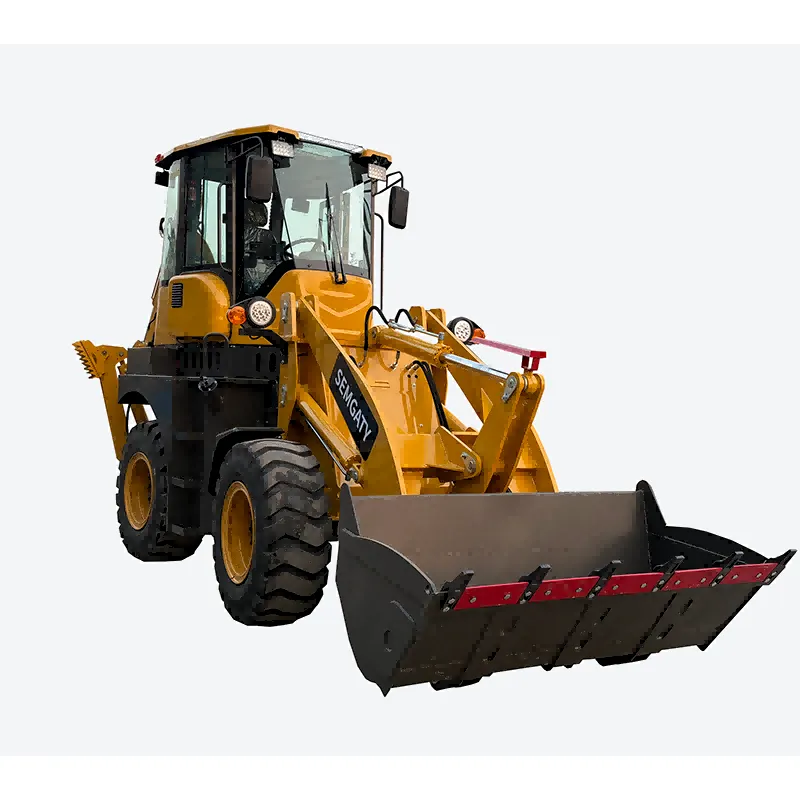
Brand value, after-sales service and market reputation create intangible pricing premiums for exported products. Well-established machinery brands build complete global service networks and reliable product credibility through long-term market operation. Comprehensive after-sales support including spare parts supply, remote guidance and overseas maintenance increases service input and lifts overall product value. Emerging brands adopt flexible low-profit strategies to expand global market influence. Dual functional advantages and wide scenario adaptability make
front loader and backhoe products widely recognized in global construction and agricultural fields. Stable integrated performance and mature market reputation consolidate differentiated pricing systems of classic
front loader and backhoe in intense international competition.
Market supply and demand relations dominate short-term quotation fluctuations and buyer negotiation spaces. Booming infrastructure and rural development in emerging economies continuously boost market demand for multi-functional construction machinery. Tight market supply under strong demand allows exporters to maintain firm quotation standards and narrow bargaining spaces. Saturated regional markets with sufficient inventory promote preferential discount policies to stimulate transaction volume. Seasonal construction peaks and off-seasons bring periodic changes to market demand and overall pricing levels. Real-time monitoring of peer quotations and inventory data supports accurate and targeted export pricing decisions.
Second-hand machinery market conditions interfere with pricing strategies for brand-new exported equipment. Abundant well-maintained second-hand backhoe loaders in certain regions reduce local purchasing preference for high-priced new machinery. Budget-limited project teams and temporary construction users prioritize cost-effective second-hand units to control engineering investment. Export enterprises adjust new machine pricing structures to relieve market impact from second-hand trading and maintain industrial competitiveness. Clear classification of new, refurbished and used equipment standardizes hierarchical price ranges and regulates orderly cross-border machinery trade.
Personalized customization demands generate differentiated incremental costs for export orders. Standard mass-produced models follow unified cost accounting and fixed public quotation standards. Special working environments such as extreme cold, high humidity and heavy dust require targeted structural modification and functional upgrading. Customized anti-corrosion treatment, low-temperature resistance optimization and structural reinforcement consume extra labor and material resources. Higher customization complexity corresponds to reasonable quotation increases. Sufficient technical communication between trading parties ensures transparent cost calculation and standardized pricing for all personalized contracts.
Regional application characteristics and user habits guide segmented market pricing. Agricultural users prioritize equipment flexibility and fuel economy with high recognition of economical basic models. Heavy construction users focus on structural stability and continuous load capacity and accept premiums for high-specification products. Extreme temperatures and special geological conditions put forward differentiated performance requirements for regional markets. Targeted product optimization improves local adaptability and supports graded export pricing schemes. Segmented market positioning effectively enhances order conversion rates and comprehensive economic benefits of foreign trade enterprises.
Order scale and long-term cooperation relations optimize final transaction pricing. Large-batch bulk orders from enterprise clients qualify for official quantity discounts and preferential terms. Long-term stable partners with repeated procurement records obtain favorable quotations and relaxed payment conditions. Small-batch trial orders and one-time purchases follow standard pricing rules with limited negotiation margins. Differentiated pricing based on order scale and cooperation duration balances enterprise profits and client satisfaction. Flexible pricing mechanisms build win-win trade relationships and support sustainable development of global backhoe loader export business.