Core Judgment Skills for Purchasing Low Fuel Consumption Loaders
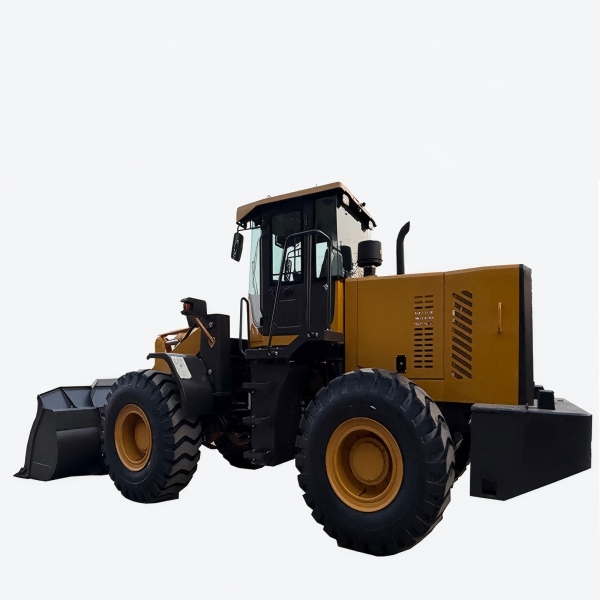
Fuel consumption serves as one of the largest operating expenditure items for construction machinery in long-term engineering operations. Loaders with excellent fuel-saving performance effectively reduce project operating costs and improve overall construction economic benefits. Numerous loader models with diverse configurations flood the construction machinery market, bringing great difficulty to equipment selection for engineering enterprises. Mastery of professional purchasing judgment skills helps screen high-quality low-fuel-consumption equipment suitable for various construction scenarios, including
small articulating loader and mainstream engineering loader products.
Traditional purchasing modes simply rely on equipment price and nominal parameters, which easily lead to selection deviation. Many loaders with nominal low fuel consumption fail to deliver stable energy-saving performance in actual high-frequency operation. Systematic purchasing judgment standards cover engine configuration, power matching design, hydraulic system performance, body structure and scene adaptation capability. Multi-dimensional inspection realizes accurate screening of low fuel consumption loader products.
Engine core configuration and energy-saving technology act as the primary judgment standard for low fuel consumption loaders. Advanced electronically controlled fuel injection systems, turbocharging technologies and precise combustion optimization designs effectively improve fuel utilization rate. Excellent power units realize sufficient power output with lower fuel consumption. Light and flexible small payloader applied in municipal fine operations needs matching low-displacement high-efficiency engines to control daily fuel consumption.
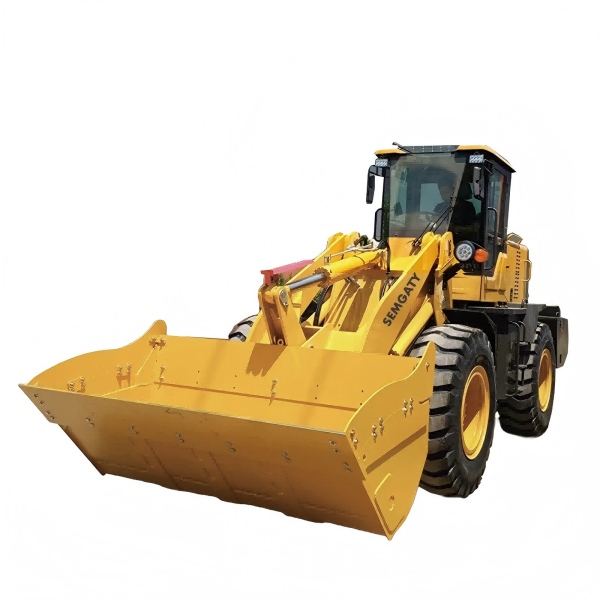
Power and hydraulic matching degree determines actual fuel-saving effect of loaders in cyclic operation. Many equipment with single high-performance engine still produce high fuel waste due to mismatched hydraulic systems. Optimized overall matching design reduces invalid power loss during energy conversion and transmission. Well-matched structural configurations enable
wheel loader to maintain low fuel consumption state in long-term heavy-load shoveling and stacking operations.
Rated load and bucket capacity matching design affects unit fuel consumption level of loaders. Reasonable proportion of bucket capacity and power output avoids frequent overload operation and idle power waste. Excessively large bucket capacity causes long-term overburden of power systems, while undersized bucket capacity increases operation frequency and cumulative fuel consumption. Balanced parameter matching becomes key index for low fuel consumption equipment screening.
Body self-weight and structural optimization design reduce ineffective fuel consumption. Excess body weight increases ground running resistance and engine load, leading to extra fuel waste. Modern low-fuel-consumption loaders adopt high-strength lightweight materials and streamlined structural layout. Optimized body design guarantees structural rigidity while reducing invalid load, effectively cutting daily operation fuel consumption of
small articulating loader in frequent transfer operations.
Intelligent energy-saving control system represents core technological advantage of new-generation low fuel consumption loaders. Automatic idle speed adjustment, load intelligent matching and variable hydraulic control technologies adjust power output according to real-time operation load. Intelligent control modules avoid continuous high-power output under light-load conditions and eliminate invalid fuel consumption generated by mechanical idling and power redundancy.
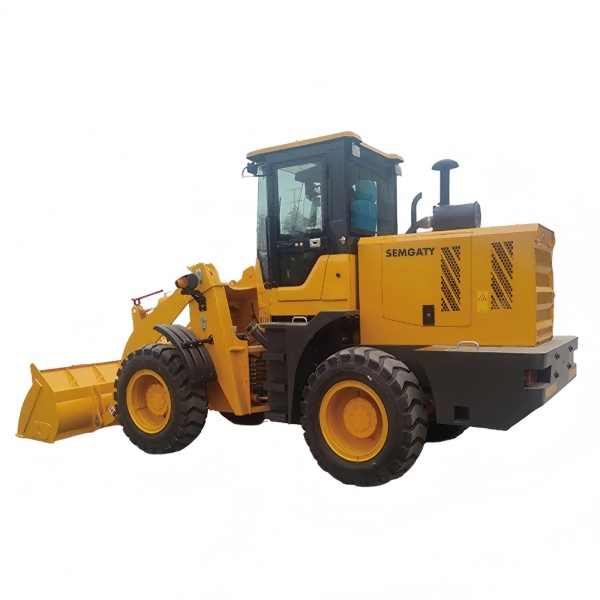
Heat dissipation and temperature control system optimization assists fuel consumption reduction. Stable constant-temperature operation environment keeps engine and hydraulic system working within optimal efficiency range. Unstable operating temperature causes incomplete fuel combustion and increased mechanical friction. High-efficiency heat dissipation configurations maintain long-term efficient operation state and reduce extra fuel loss caused by temperature fluctuation.
Transmission system optimization design improves power transmission efficiency. High-precision gear components, low-friction bearing configurations and optimized transmission structures reduce power loss during operation. Efficient power transmission enables most engine power to act on construction work instead of dissipating in mechanical friction. Excellent transmission performance lays solid foundation for low fuel consumption operation of
wheel loader in heavy engineering scenarios.
Working condition adaptation capability avoids increased fuel consumption caused by mismatched equipment. Different construction environments such as flat ground, mountainous areas and high-altitude regions put forward different requirements for loader power performance. Professional low-fuel-consumption equipment carries targeted calibration for specific working scenarios, reducing power attenuation and extra fuel consumption caused by environmental adaptation problems.
Idle speed control performance serves as an intuitive inspection index for low fuel consumption loaders. Construction sites feature frequent waiting and position adjustment. Loaders with excellent energy-saving designs realize low idle fuel consumption and automatic power reduction during standby periods. Long-term accumulation of low idle loss forms prominent economic advantages in whole-cycle equipment operation.
Manufacturer tuning technology and industrial verification data support authentic fuel consumption performance judgment. Formal brand manufacturers complete repeated working condition simulation and field debugging for fuel consumption optimization. Purchasers can verify actual operation fuel consumption data through official test reports and user practical feedback, rather than simply referring to nominal parameter labels. Field operation data reflects true energy-saving level of small payloader and various heavy-duty loaders.
Whole-machine failure rate and maintenance performance indirectly affect comprehensive fuel consumption. Frequent component faults and poor operation stability cause repeated construction and secondary operation, increasing cumulative fuel consumption. Low-fuel-consumption loaders with high comprehensive quality maintain stable working state, avoid energy waste caused by equipment faults and rework, and optimize overall fuel consumption control effect.
Emission and energy-saving integrated design represents development trend of low-consumption loaders. Upgraded combustion technology not only meets strict environmental protection standards, but also improves fuel utilization efficiency. Equipment with advanced emission control structures avoids fuel waste caused by exhaust gas residue and incomplete combustion, realizing simultaneous optimization of environmental protection performance and economic benefits.
Differentiated purchasing strategies suit different loader application scenarios. Urban municipal greening, community renovation and indoor warehouse operations prioritize flexible lightweight low-fuel-consumption models. Large earthwork, mining and road construction projects need heavy-duty low-consumption loaders with stable power output and low loss. Scenario-oriented selection guarantees maximum energy-saving advantages of equipment.
Avoidance of common purchasing misunderstandings improves selection accuracy. Blind pursuit of high power and large tonnage leads to serious fuel redundancy and waste in light-load scenarios. Over reliance on low-price equipment ignores long-term high fuel consumption and high maintenance costs. Rational purchasing focuses on comprehensive balance of power performance, adaptation and energy-saving efficiency.
After-sales technical support and equipment upgrade potential ensure long-term low-fuel-consumption performance. Professional after-sales teams provide regular parameter calibration and system maintenance to maintain optimal fuel-saving state of loaders. Equipment models with technical upgrade space can continuously optimize energy-saving performance through later program iteration and parameter debugging, extending service economic advantages.
Life cycle cost calculation replaces single purchase price judgment for scientific selection. Low-quality low-price loaders bring higher fuel consumption and maintenance costs in long-term operation. High-quality low-fuel-consumption equipment has slightly higher initial investment but saves massive operating expenses in whole service cycle, bringing higher comprehensive economic returns for construction enterprises.
Industry development continuously promotes iteration of low-fuel-consumption loader technologies. Major machinery brands accelerate research and development of hybrid power, intelligent energy-saving and lightweight technologies. New products achieve breakthroughs in fuel consumption control while ensuring operation performance, providing more high-quality choices for engineering equipment procurement.
Grasp of core purchasing skills helps construction enterprises optimize equipment allocation and reduce operating costs. Accurate selection of low fuel consumption loaders improves construction efficiency, reduces energy waste, and enhances market competitiveness of engineering projects. Refined equipment purchasing and management become important means for construction industry to achieve high-quality and low-consumption development.