

Correct Start-Up Procedure for Fork Truck: Improving Safety and Performance of 4WD Forklift and 7 Ton Forklift
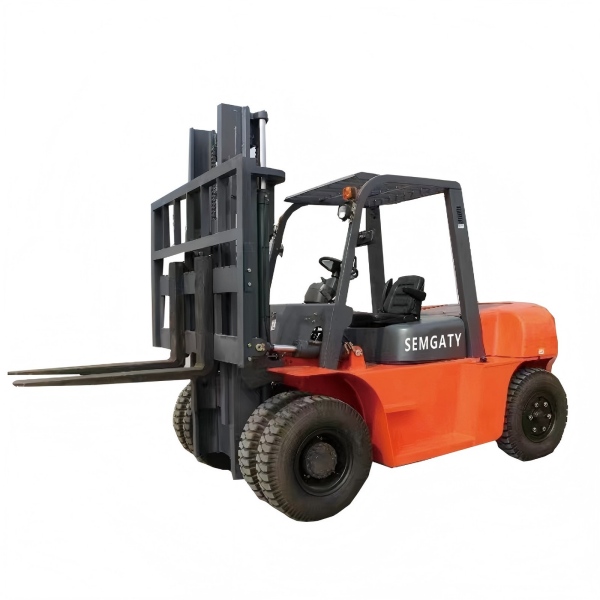
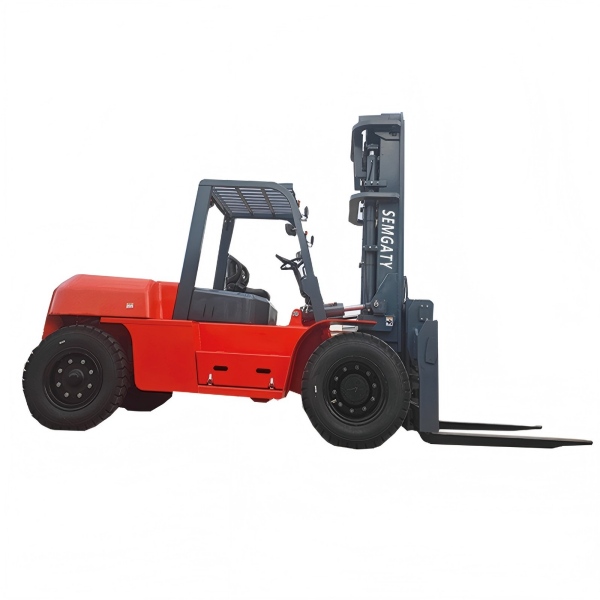
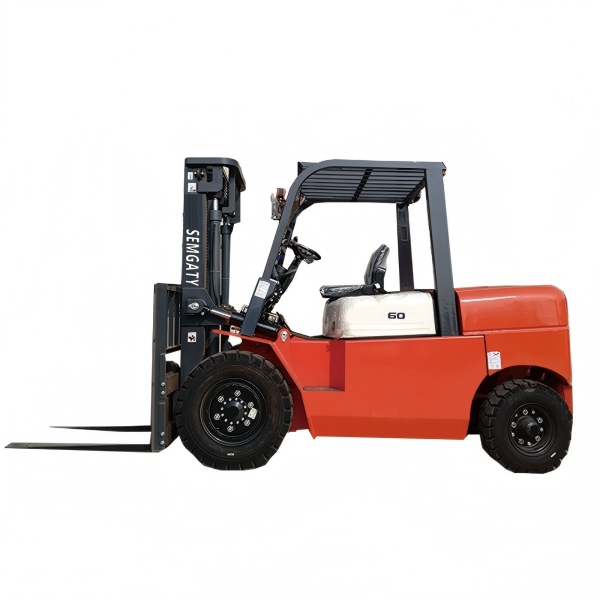
Diesel-powered material handling equipment plays a vital role in warehouses, ports, construction projects, and industrial logistics centers. A reliable fork truck ensures efficient loading, unloading, and transportation of goods. However, improper start-up procedures can lead to equipment damage, increased fuel consumption, and safety risks.
For heavy-duty equipment such as a 4wd forklift or a 7 ton forklift, standardized start-up operations are particularly important. Correct start-up practices can protect the engine, improve operational stability, and extend the service life of the fork truck. The following guide explains the correct preparation steps and operational procedures for starting a diesel fork truck safely.
Pre-Start Inspection for Fork Truck Equipment
Before operating any fork truck, operators should perform a full visual inspection. A detailed inspection ensures that the fork truck, 4wd forklift, or 7 ton forklift is ready for safe operation and reduces the risk of mechanical failures during heavy-duty work.
First, check the exterior structure of the fork truck. The chassis, mast, and hydraulic components should show no visible cracks, deformation, or leakage. Hydraulic oil leaks or coolant leaks may lead to serious equipment damage if ignored.
Next, inspect the tires of the fork truck. Proper tire pressure is critical for stability and load-bearing capacity. A 7 ton forklift carrying heavy cargo requires tires in excellent condition to maintain traction and balance. Remove stones, metal debris, or other objects that may damage the tire surface.
Fuel inspection is another important step before starting a fork truck. Ensure that the diesel tank contains sufficient fuel and that the fuel quality meets operational standards. Clean diesel fuel ensures efficient combustion and helps maintain the long-term reliability of a 4wd forklift engine.
Engine oil level should also be checked carefully. Proper lubrication is essential for every fork truck, especially when the equipment is used in demanding environments such as construction sites or mining operations.
The cooling system should also be inspected. Verify that the radiator coolant level meets the recommended level. Adequate coolant prevents overheating during long-hour operations of a 7 ton forklift.
Finally, inspect the battery condition. A stable electrical system is required for ignition and instrument panel operation. Ensure that battery terminals are clean, firmly connected, and free from corrosion.
Standard Start-Up Procedure for Diesel Fork Truck
After completing the inspection, the fork truck can be started following the correct operational sequence.
Step one: Insert the ignition key and turn the switch to the “ON” position. The dashboard lights of the fork truck will illuminate, allowing the internal electronic system to conduct a self-diagnostic check.
Step two: Wait for the system check to complete. The instrument panel of the 4wd forklift should not display warning indicators. Any abnormal signal should be inspected and resolved before starting the engine.
Step three: Depress the clutch pedal and place the transmission lever of the fork truck in the neutral position. A neutral gear position prevents unexpected movement during engine ignition.
Step four: Turn the ignition key to the start position or press the start button. The starting duration of a fork truck should remain between five and ten seconds. If the engine fails to start, wait at least fifteen seconds before attempting another ignition. Repeated immediate attempts may damage the starter motor of a 7 ton forklift.
Step five: After the engine starts, allow the fork truck engine to idle for several minutes. Engine warm-up allows lubricating oil to circulate through all internal components of the 4wd forklift engine system.
During the warm-up period, operators should monitor the dashboard gauges. Oil pressure, coolant temperature, and electrical indicators must remain within normal ranges for the fork truck.
Key Operating Tips for Fork Truck Start-Up
Environmental temperature has a direct influence on engine performance. Cold climates may make starting a fork truck more difficult. In such conditions, using an engine preheating device helps improve the starting performance of a 4wd forklift.
Operators should also listen carefully to the engine sound of the fork truck during start-up. Abnormal vibration, knocking sounds, or irregular engine noise from a 7 ton forklift may indicate mechanical problems requiring immediate inspection.
Operational safety should always be the first priority when starting a fork truck. Ensure that no workers, tools, or obstacles are located around the 4wd forklift before ignition. Maintaining a safe environment prevents unexpected accidents during equipment operation.
Recommended Fork Truck Equipment for Industrial Applications
For logistics companies, construction contractors, and industrial warehouses seeking reliable handling equipment, modern fork truck models provide powerful solutions. Heavy-duty 4wd forklift machines offer excellent traction on rough terrain, while a 7 ton forklift provides strong lifting capacity for large cargo handling.
Choosing the right fork truck improves operational productivity and enhances workplace safety. Advanced 4wd forklift models also deliver improved maneuverability in construction sites, farms, and mining areas.
Conclusion
Proper start-up procedures play a crucial role in maintaining the reliability of every fork truck. Conducting systematic inspections, following correct ignition steps, and maintaining safe operational habits significantly improve equipment efficiency.
For heavy-duty equipment such as a 4wd forklift or a 7 ton forklift, standardized operating procedures help protect the engine, reduce downtime, and ensure consistent productivity in demanding industrial environments. By implementing correct start-up practices, companies can maximize the service life and performance of every fork truck used in daily operations.