Cost-effective Export Loader Procurement Pitfall Avoidance Guide for Global Buyers
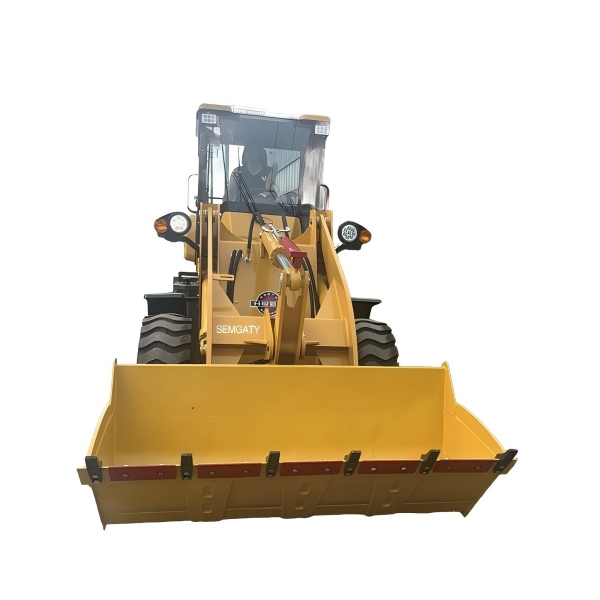
Global small construction machinery export markets witness booming trading volume with rising demands for lightweight and multi-functional loader equipment. Cross-border procurement of compact loaders focuses on balanced performance, reasonable pricing and long-term operational stability rather than low-price blind selection.
articulating wheel loader and
compact front end loader dominate mainstream export product lines with wide scenario adaptability and mature manufacturing technology. Systematic pitfall avoidance strategies help overseas buyers filter inferior products, eliminate hidden cost risks and secure truly cost-effective loader equipment for long-term engineering operation.
Blind pursuit of ultra-low pricing stands as the most common procurement trap in global loader trading. Many unqualified suppliers launch low-budget equipment with cut-down configurations, untested core parts and simplified production processes to attract bulk orders. Low upfront procurement costs bring frequent mechanical faults, high maintenance expenses and short service cycles in later operation. Comprehensive calculation of full lifecycle cost rather than single purchase price serves as basic principle for rational export procurement decisions.
Ignoring market compliance certification causes major market entry risks for exported loader equipment. Different overseas regions enforce strict emission standards, safety certification and product qualification verification for imported construction machinery. Many low-cost uncertified loaders fail to pass local customs inspection and market access audits. Compliance deficiency leads to cargo detention, order return and economic losses far exceeding initial procurement savings for overseas purchasing enterprises.
Parameter falsification and exaggerated performance labeling form hidden pitfalls in machinery export sales. Individual manufacturers modify nominal parameters such as rated load, engine power and operating efficiency through false data marking. Actual equipment operation cannot match advertised performance indicators, resulting in reduced construction efficiency and unqualified engineering output. Professional parameter verification and on-site performance testing effectively block false publicity traps in loader procurement.
compact front loader often faces configuration simplification traps in low-price export procurement channels. Entry-level loader models for conventional light-load scenarios undergo arbitrary structural reduction by irregular suppliers. Removal of auxiliary safety structures, downgrade of hydraulic components and adoption of refurbished parts severely undermine equipment stability. Purchasers need to verify complete configuration lists and original component certification documents to avoid shoddy product procurement.
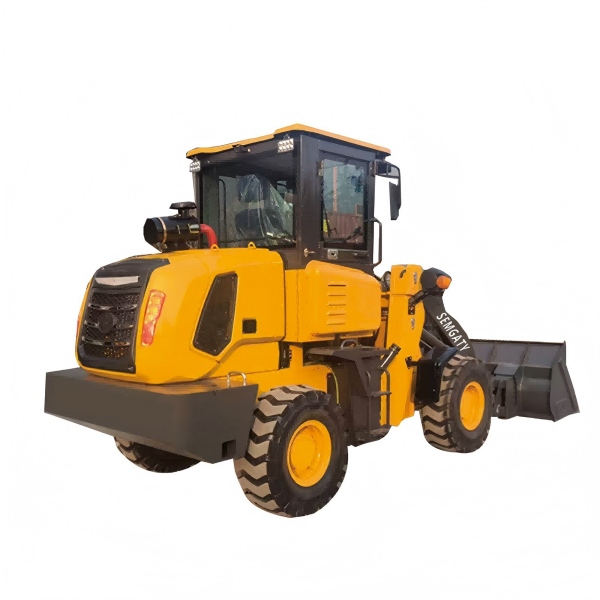
Neglect of supplier qualification and production capacity assessment brings long-term cooperation risks. Many intermediate trading enterprises disguise as factory direct suppliers without independent production and R&D capabilities. Such channels fail to provide standardized quality control, stable batch consistency and effective after-sales support. Formal factory qualification verification, production workshop inspection and batch product quality sampling eliminate unqualified supplier cooperation risks.
Ignoring terrain and scenario matching leads to low equipment utilization and wasted procurement budget. Blind selection of high-configuration or over-sized loader models for simple light-load tasks causes performance surplus and cost waste. Improper model selection for complex muddy, sloped or rugged terrains triggers insufficient equipment adaptability and frequent operational faults. Accurate matching of model performance with local construction scenarios maximizes equipment utilization value and procurement cost performance.
articulating wheel loader encounters structural quality pitfalls in cross-border bulk procurement. Core articulated connection structures determine terrain adaptability and operational safety of such loaders. Unscrupulous manufacturers adopt thin-walled materials and rough welding processes to reduce production costs, leading to structural deformation and joint looseness after short-term operation. Focused inspection of frame welding quality, joint toughness and structural stability avoids defective equipment procurement.
Overlooking hidden logistics and export cost items creates budget overrun risks. Many suppliers quote only ex-factory prices without listing freight, packaging, certification and customs declaration fees. Subsequent generation of additional charges leads to significant increase in comprehensive procurement cost. Purchasers need to require full-item transparent quotation including all export links to prevent hidden cost traps in loader trading.
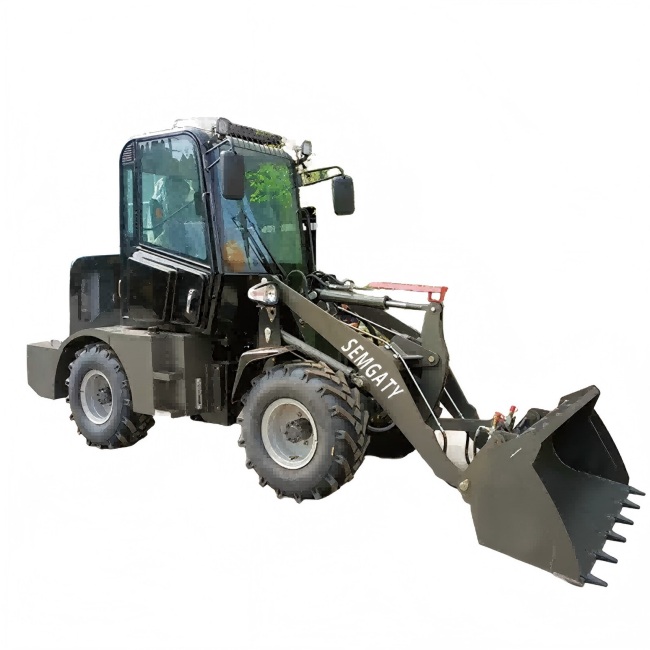
Negligence of after-sales service and spare parts supply system affects long-term equipment operation continuity. Some low-price export orders exclude after-sales guarantee, technical guidance and spare parts matching services. Equipment faults occurring in overseas operation cannot obtain timely maintenance support, causing long-term shutdown losses and project delay risks. Complete after-sales system and sufficient spare parts reserve constitute key indicators of high-value export procurement.
compact front end loader faces functional configuration confusion traps in mixed-scenario export procurement. Balanced medium-load loader models feature diverse functional expansion and accessory adaptation capabilities. Irregular suppliers replace standard multi-functional accessories with single-purpose parts and reduce hydraulic control precision to cut costs. Detailed verification of functional configuration and accessory matching standards ensures consistent comprehensive performance of exported equipment.
Blind pursuit of brand premium creates unnecessary procurement cost waste in high-end market selection. Well-known international brands carry excessive brand premium while maintaining similar core performance with qualified domestic mainstream products. Ordinary engineering scenarios do not require ultra-high-end configuration and brand endorsement. Rational comparison of performance, quality and cost among multiple brands achieves higher comprehensive cost performance than blind brand selection.
Lack of on-site testing and load inspection leads to procurement of underperforming equipment. Static parameter checking cannot reflect real operational performance of loaders under load conditions. Untested equipment may have hidden faults in power output, hydraulic lifting and walking stability. On-site load testing and continuous operation inspection effectively screen out equipment with subtle performance defects and quality hidden dangers.
Ignoring batch product consistency causes differentiated quality problems in bulk export orders. Small workshop manufacturers fail to realize standardized assembly and quality inspection, leading to uneven quality of batch products. Partial equipment in the same order may have performance gaps and structural defects. Purchasers need to confirm standardized production management systems and batch quality inspection reports to ensure uniform quality of all exported loader equipment.
Unreasonable payment term agreements bring fund security risks in cross-border transactions. Informal suppliers propose advance full payment terms without quality guarantee clauses. Once product quality problems or delivery delays occur, purchasers face difficulties in fund recovery and order rights protection. Standardized installment payment modes and clear after-sales liability clauses effectively avoid transaction fund risks.
Scientific model selection and risk avoidance mechanisms build high-value procurement systems. Scenario-based selection of
compact front loader meets low-budget and stable light-load operation demands. Strict structural quality inspection for
articulating wheel loader guarantees complex terrain operational reliability. Standard configuration verification for
compact front end loader ensures balanced performance for multi-scenario export projects.
Comprehensive risk control covering pricing verification, qualification inspection, performance testing and service confirmation helps overseas buyers avoid all types of procurement pitfalls. Rational balance of initial cost and full lifecycle operational benefits realizes true high cost performance for export loader procurement, supporting stable and profitable development of global engineering machinery trading business.