Custom Attachment Selection and Matching Strategies for Wheel Loaders
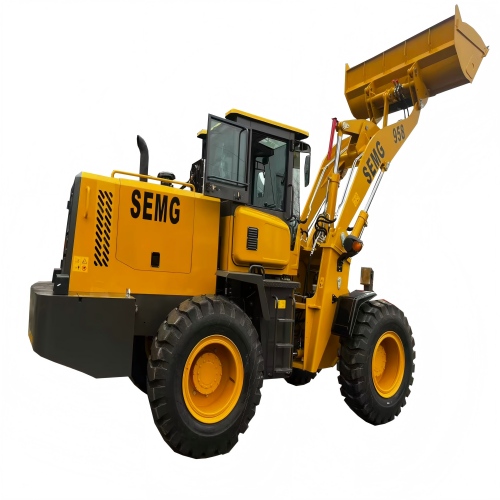
Diversified engineering scenarios including bulk material handling, snow removal, waste sorting and earthwork renovation put forward differentiated functional demands for loading machinery. Single standard configuration fails to adapt to multi-scene construction demands and limits equipment application scope. Scientific customization and reasonable collocation of professional attachments expand functional boundaries of loading equipment and improve construction pertinence. Rational attachment matching improves operational flexibility and task adaptability of engineering machinery in complex construction environments.
Loader equipped with customized professional attachments completes diversified special construction tasks efficiently. Standardized attachment selection rules maximize functional utilization value of customized industrial
Loader in multi-scene engineering operations.
Scenario-oriented attachment selection serves as the core principle of wheel loader functional customization. Different construction environments and operation types correspond to exclusive supporting attachments to avoid functional mismatch and resource waste. Bulk sand and gravel handling projects adopt standard bucket accessories with large capacity and wear-resistant structures. Road maintenance and snow clearing work require specialized snow pushers and sweeping attachments. Waste recycling and bulk cargo sorting operations fit grab attachments and multi-functional clamps. Scenario matching selection avoids blind customization and ensures targeted construction capacity of modified
wheel loader machine in professional operation scenarios. Accurate attachment collocation improves task completion efficiency of customized commercial
wheel loader machine across diversified engineering fields.
Parameter matching between equipment performance and attachment specifications guarantees stable operation safety. Different attachments put forward distinct requirements on engine power, hydraulic pressure and bearing capacity of loading machinery. Large-capacity customized buckets and heavy-duty grabbing accessories demand sufficient power output and structural bearing strength. Light-duty cleaning and maintenance attachments adapt to conventional power parameters and basic hydraulic systems. Strict parameter matching avoids overload operation and hydraulic system pressure overload caused by mismatched accessories. Professional specification collocation maintains structural stability and operational safety of heavy-duty
big wheel loader with modified configurations. Reasonable parameter adaptation prolongs service life of customized parts and main body structure of large-scale
big wheel loader.
Structural compatibility inspection eliminates assembly hidden dangers of customized attachments. Different brands and types of customized accessories feature different connection sizes, interface positions and mounting modes. Inconsistent interface parameters lead to unstable assembly gaps, loose connection points and unbalanced stress distribution. Pre-installation dimension calibration and structural adaptation detection ensure perfect fitting between attachments and equipment body. Bolt hole alignment, hydraulic interface matching and mechanical limit debugging form complete pre-installation inspection procedures. Standard compatibility check avoids structural abrasion, oil leakage and loose falling parts during long-term linkage operation.
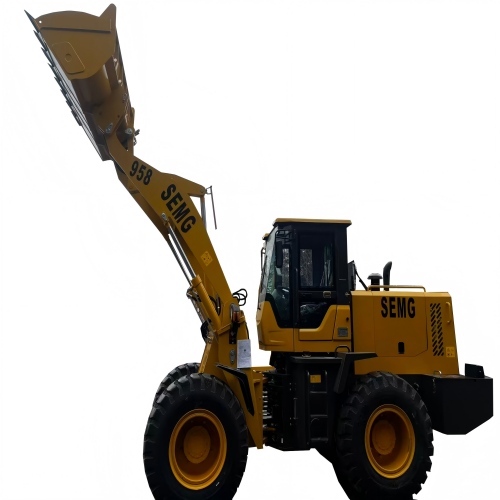
Hydraulic system adaptation optimization matches power demand of customized attachments. Most functional expanded attachments rely on hydraulic power drive to complete telescopic, rotating and clamping movements. Custom accessories with high power consumption require stable hydraulic pressure and sufficient flow supply. Low matching degree of hydraulic parameters causes slow attachment response, insufficient power and unsmooth operation. Professional hydraulic debugging includes flow adjustment, pressure calibration and pipeline optimization. Upgraded hydraulic adaptation supports stable power output for various customized attachments and ensures synchronous coordination of mechanical movements.
Material quality selection of customized attachments improves durability and cost performance. High-frequency operation scenarios require attachments made of high-strength wear-resistant alloy materials to resist impact friction and structural deformation. Low-frequency auxiliary operation scenes can adopt conventional high-quality steel materials to control customization costs. Thickened plate structures and reinforced welding processes enhance impact resistance of load-bearing attachments. Surface anti-corrosion and wear-resistant coating treatments extend service cycle of accessories in humid and dusty construction environments. Scientific material selection balances operational performance and long-term maintenance costs of customized equipment accessories.
Multi-functional combined collocation expands comprehensive application scenarios of loaders. Reasonable combination of multiple sets of interchangeable attachments realizes fast switching between different construction functions. Matching of standard loading buckets and snow pushing attachments meets dual demands of material handling and winter road maintenance. Collocation of grabbing clamps and flat pushing plates adapts to timber stacking, garbage sorting and site leveling tasks. Quick disassembly and assembly design of accessories shortens function switching time on construction sites. Multi-functional combination modes greatly improve equipment utilization rate and reduce investment cost of multiple mechanical devices for construction teams.
Working habit adaptation adjustment optimizes coordination effect of customized attachments. Newly installed customized attachments change original mechanical operation range and stress bearing mode. Operators need to adjust operating amplitude, handle sensitivity and traveling speed to adapt to new functional structures. Slow initial operation and low-load trial running verify running state of matched attachments. Gradual adjustment of operation rhythm avoids rigid impact and structural damage caused by unfamiliar operation modes. Adaptive operation training gives full play to functional advantages of customized attachments in actual construction.
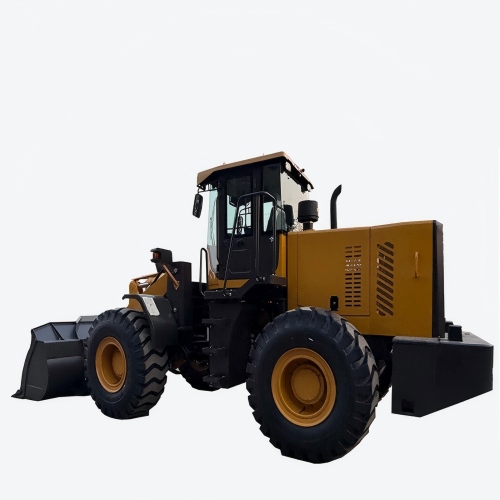
Regular maintenance of customized attachments maintains long-term stable working performance. Different customized accessories have independent wear characteristics and vulnerable parts. Wear-resistant blades of buckets, rotating bearings of grab attachments and telescopic oil cylinders of pushing plates require targeted maintenance plans. Regular cleaning of surface attachments, lubrication of movable joints and inspection of welding cracks delay accessory aging speed. Timely replacement of worn vulnerable parts ensures consistent operation accuracy and functional stability. Independent maintenance management of customized accessories avoids functional attenuation affecting overall construction progress.
Seasonal customized attachment replacement adapts to environmental construction demands. Different seasons bring diverse construction tasks and environmental changes. Winter low-temperature environments require snow removal and anti-slip auxiliary attachments to complete road maintenance work. Rainy seasons and humid environments need anti-corrosion customized accessories and drainage auxiliary structures. Dry and dusty construction scenarios match closed dust-proof loading attachments. Seasonal replacement and targeted installation of professional attachments improve environmental adaptability of loading machinery in whole-year construction cycles.
Standardized disassembly and storage management protect customized accessory performance. Random disassembly and irregular storage cause structural deformation, interface damage and surface corrosion of precision customized attachments. Unified disassembly steps avoid violent dismantling damage to connecting structures and sealing parts. Dry and ventilated storage environments prevent metal oxidation and rubber part aging. Classified placement of different accessories avoids extrusion collision and structural damage. Standardized management modes maintain complete performance of customized attachments and reduce repeated replacement costs for long-term use.
Scientific customized attachment matching system improves comprehensive equipment value. Integration of scenario selection, parameter matching, structural adaptation and daily maintenance forms complete attachment management system. Reasonable customization collocation breaks functional limitations of single equipment and expands construction service scope. Diversified functional transformations improve market adaptability and utilization rate of loading machinery. Systematic selection and matching strategies maximize operational efficiency and economic benefits of engineering loading equipment in complex multi-scene construction.