Difference Analysis Between Rated Load and Actual Working Load of Compact Loaders
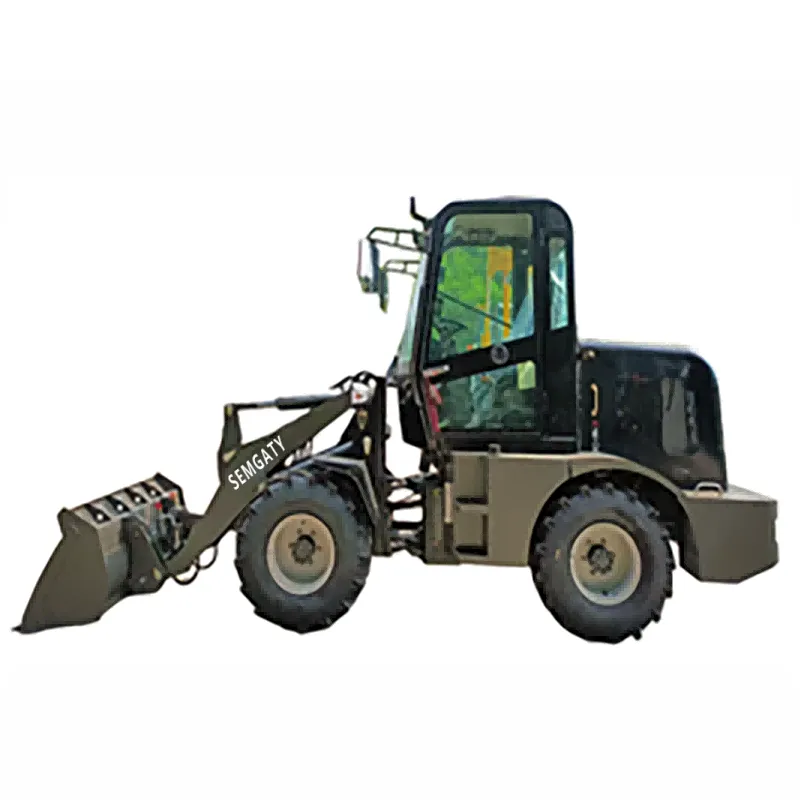
Compact loaders serve as core auxiliary equipment for municipal construction, farmland development, material handling and yard operation. Load bearing parameters stand as key technical indicators guiding equipment selection, daily operation and safety management.
articulating wheel loader and
compact front end loader mark standard rated load data in official product manuals to reflect factory design standards. Actual working load of field operation often generates obvious deviation from theoretical parameters. Clear distinction and rational application of two load indicators help operators standardize construction behavior, extend equipment service life and eliminate operational safety risks.
Rated load refers to standardized theoretical load parameter formulated according to industry manufacturing and testing standards. Manufacturers conduct parameter calibration under ideal experimental environments with flat ground, stable temperature, standard tire pressure and no external interference. Unified testing conditions eliminate uncertain environmental factors and ensure consistent data standards for different loader models. Rated load data reflects maximum safe bearing capacity of equipment under standard static state and acts as official evaluation basis for equipment performance grading and market parameter labeling.
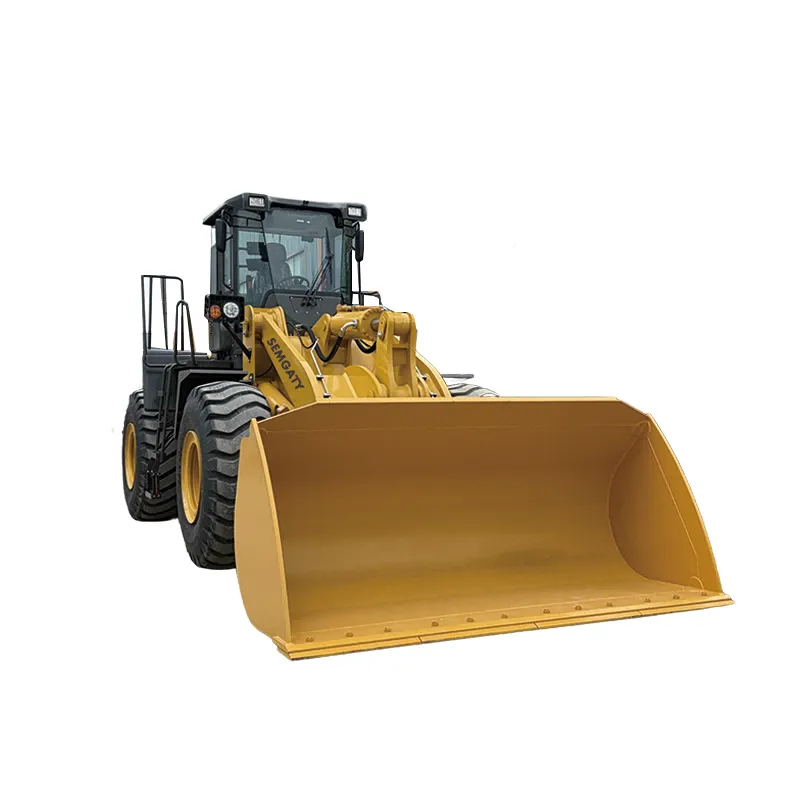
Actual working load represents real load bearing value generated during field construction of loaders. Complex field environments including uneven ground, sloped surfaces and unbalanced material stacking change equipment stress state. Dynamic operation behaviors such as walking, turning and lifting bring instantaneous load fluctuation beyond static testing range. Various variable factors lead to continuous floating of actual load data and form obvious numerical difference with fixed rated load parameters.
Ideal testing conditions for rated load create fundamental differences with field operation scenarios. Rated load testing proceeds on horizontal rigid ground with uniform material density and stable mechanical posture. No vibration, inclination or impact force appears in whole testing process. Field construction involves diversified material types including dry sand, wet soil, gravel and mixed materials with different density and viscosity. Dynamic operation impact and terrain changes continuously adjust real load bearing state of loader structures.
compact front loader features clear rated load parameters calibrated for conventional light-load operation scenarios. Factory rated load data adapts to standard handling of loose materials under ideal conditions. Stable mechanical structure and balanced stress design maintain fixed bearing limit in static testing environments. Field operation of such equipment often bears variable actual load affected by material humidity, stacking compactness and operation amplitude, forming regular numerical deviation from standard rated data.
Terrain changes constitute major factors causing actual load fluctuation of compact loaders. Horizontal ground operation keeps actual load close to rated load standard. Sloped construction shifts equipment gravity center and increases unilateral structural stress. Pit and rugged ground trigger chassis vibration and instantaneous impact load. Long-term operation under variable terrain conditions makes actual working load constantly exceed or be lower than rated load reference range.
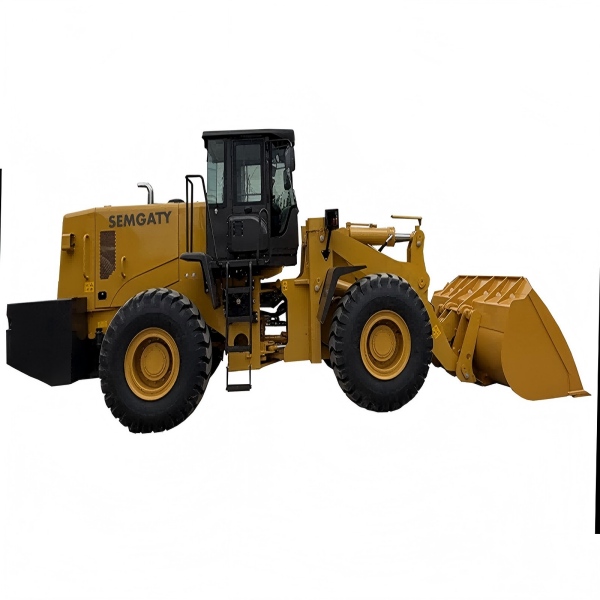
Material characteristics directly affect real load bearing value of loader buckets. Dry and loose materials feature low density and uniform weight distribution to keep actual load within rated standard range. Wet, sticky and compacted materials increase unit weight and adhesion force. Adherent residual materials inside buckets raise overall bearing weight and create invisible overload state. Uncontrolled actual load caused by material characteristics easily leads to unrecorded equipment loss and potential safety hazards.
articulating wheel loader with flexible terrain adaptation shows more obvious load deviation in complex field operation. Articulated steering structure changes body stress distribution during slope crossing and turning processes. Multidirectional traction and torsion force adjust real bearing pressure of chassis and hydraulic systems. Powerful terrain adaptability expands operation scenarios but also increases fluctuation range between actual working load and fixed rated load parameters.
Operational behaviors of construction staff bring artificial load changes to field working process. Rapid bucket lifting, sudden walking acceleration and violent material shoveling produce instantaneous impact load far higher than static rated load. Slow and standardized operation modes maintain stable load state close to theoretical standards. Irregular operating habits constitute key artificial factors leading to inconsistent actual load data and accelerated component wear.
Hydraulic system working state influences real load bearing capacity of compact loaders. New equipment with stable hydraulic pressure and sensitive response maintains consistent load conversion efficiency. Aging hydraulic parts, insufficient system pressure and unsmooth oil circuit circulation reduce effective lifting capacity. Same material weight generates different actual load feedback under varied hydraulic operation states, widening deviation from factory rated load parameters.
compact front end loader presents moderate load fluctuation range suitable for diversified medium-load operation. Balanced body structure and optimized hydraulic configuration control actual load deviation within reasonable limits in conventional earthwork and material handling. Stable parameter tolerance enables equipment to adapt to slight overload operation in temporary complex working conditions while avoiding structural damage. Comprehensive performance advantages make such models widely applicable for scenarios requiring balanced load control.
Long-term overload operation beyond rated standard causes irreversible damage to loader components. Continuous excess actual load increases fatigue wear of chassis structures, hydraulic cylinders and connecting pins. Tire deformation, oil leakage and power attenuation appear in advance under frequent overload working state. Strict reference to rated load standard serves as basic guarantee for long-term stable operation and fault-free maintenance of construction machinery.
Reasonable load control strategies balance construction efficiency and equipment safety. Operators reserve certain load margin on the basis of rated load standard for field operation. Reduction of single shoveling capacity for wet and compacted materials avoids invisible overload. Low-speed and stable operation on complex terrains weakens impact load and maintains actual load within safe floating range.
Model matching and load parameter management improve scientific operation level. Professional construction teams formulate targeted operation standards according to equipment rated load and field actual conditions. Small load of
compact front loader focuses on precise load control to reduce component loss. Complex operation of
articulating wheel loader pays attention to dynamic load adjustment adapting to terrain changes. Medium-load tasks of
compact front end loader adhere to rated load benchmark to stabilize construction efficiency.
Deep understanding of load parameter differences supports standardized machinery management system construction. Distinguished application of rated load and actual working load helps enterprises formulate scientific operation specifications, equipment maintenance plans and safety supervision standards. Effective control of actual load fluctuation eliminates overload risks, reduces maintenance costs and extends overall service life of compact loaders in long-term engineering construction.