

Differences Between Export Wheel Loader and Domestic Models
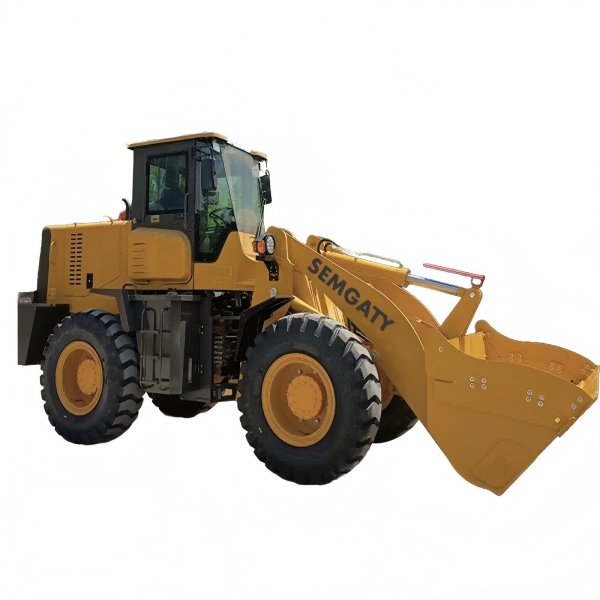
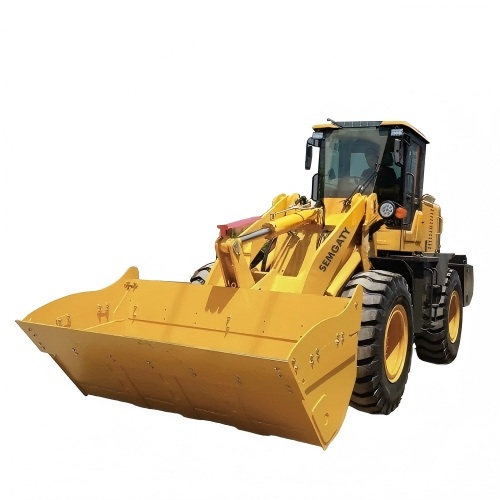
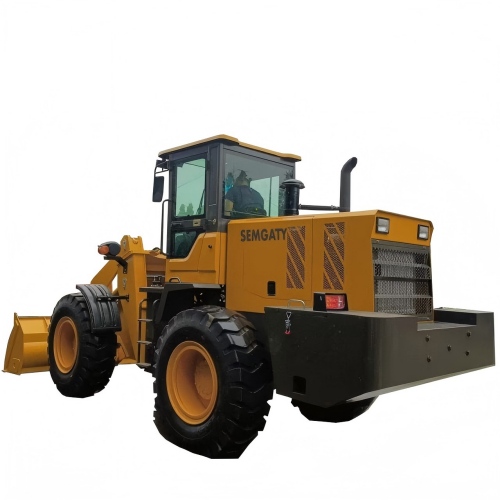
With the rapid growth of global trade, more manufacturers are supplying wheel loader, articulating loader, payloader equipment to international markets. Export models and domestic models differ significantly in design standards, configuration, and performance expectations. Understanding these differences helps buyers choose suitable equipment and improves purchasing decisions.
Emission Standards and Environmental Compliance
Emission standards represent one of the most critical differences between export wheel loader and domestic models.
Export articulating loader must comply with strict international regulations such as EU Stage V and EPA Tier 4 standards. Domestic payloader models usually follow local emission policies, which vary based on market requirements.
Higher emission standards increase production cost but improve environmental performance of wheel loader equipment.
Configuration and Comfort Level
Export wheel loader models typically include higher configuration levels compared with domestic versions.
Features such as air-conditioned cabins, advanced control systems, and ergonomic seating are standard in export articulating loader equipment.
Domestic payloader models often provide basic configurations with optional upgrades.
Higher configuration improves operator comfort and productivity in wheel loader operations.
Quality Control and Durability Requirements
Quality expectations for export wheel loader are generally higher due to international standards.
Manufacturers apply strict inspection processes to ensure durability of articulating loader equipment.
Export payloader models are designed to operate under demanding conditions, ensuring long service life.
Enhanced durability improves reliability of wheel loader equipment in global markets.
Certification and Market Access
Export wheel loader must meet certification requirements for target countries.
Common certifications for articulating loader include CE for Europe and other regional approvals.
Domestic payloader models do not always require international certifications, reducing compliance cost.
Certification increases market access and credibility for wheel loader products.
Design and User Experience
Export wheel loader models are designed with international users in mind.
Control interfaces in articulating loader equipment follow global standards, improving usability.
Domestic payloader models focus on local operation habits and cost efficiency.
Improved design enhances operational efficiency of wheel loader equipment.
After-Sales Service and Support System
After-sales service plays an important role in export wheel loader business.
Manufacturers provide global support for articulating loader equipment, including spare parts supply and remote technical assistance.
Domestic payloader service relies more on local networks.
Reliable service ensures continuous operation of wheel loader equipment worldwide.
Cost Structure and Pricing Strategy
Export wheel loader pricing includes additional costs such as certification, logistics, and customization.
Domestic articulating loader models are generally more price-competitive due to fewer compliance requirements.
Buyers selecting payloader equipment should balance cost and performance based on project needs.
Conclusion
Export wheel loader, articulating loader, payloader models differ from domestic versions in emission standards, configuration, quality, certification, and service systems.
Higher standards and global compatibility make export wheel loader equipment more suitable for international markets, while domestic models remain competitive in price-sensitive environments.
Understanding these differences helps buyers make informed decisions and improves long-term operational efficiency.