Durability Evaluation Methods for Loaders Under High-frequency Continuous Operation
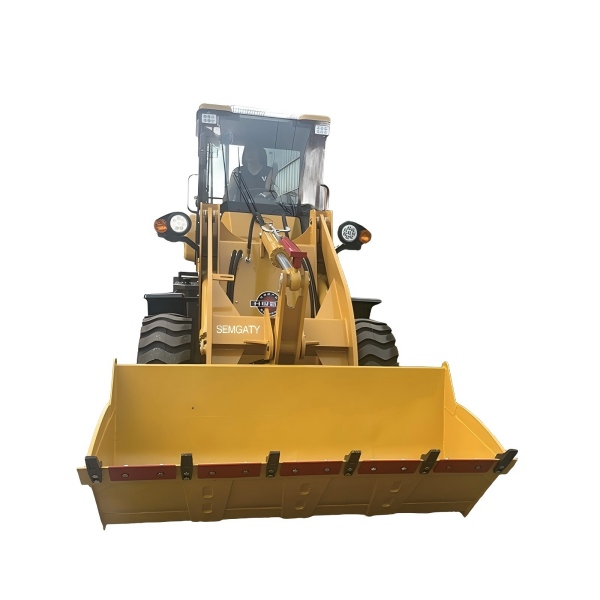
Loaders undertake repetitive shoveling, stacking and material transfer tasks in infrastructure construction, mining sites and port operation bases. High-frequency continuous operation constitutes the main working state of engineering loaders throughout service cycles. Durability performance directly determines equipment stability, service life and long-term operation cost. Systematic and scientific evaluation standards effectively judge comprehensive performance of
small articulating loader and various mainstream loader models under long-term continuous working conditions.
High-frequency continuous operation brings multiple mechanical wear and performance attenuation risks to loaders. Long-hour uninterrupted startup, frequent load switching and continuous hydraulic system operation accelerate aging of core components. Traditional simple detection methods fail to reflect long-term operating stability of equipment. Complete durability evaluation system covers structural performance, power system, hydraulic system and wearable component loss indicators.
Structural frame durability serves as the basic evaluation index for long-term operation resistance of loaders. Frequent heavy-load impact generates alternating stress on vehicle frames, boom structures and connection joints. Qualified durable equipment maintains stable structural rigidity without deformation, cracking or loose welding points after thousands of hours of continuous operation. Structural detection standards apply widely to
small payloader and medium and large engineering loaders.
Power system durability occupies core status in overall equipment durability evaluation. Continuous operation causes cumulative wear of engine internal parts, turbocharging components and transmission structures. Standard evaluation dimensions include engine oil consumption stability, power output retention rate and component wear degree after long working cycles. Excellent power configurations maintain stable running state and low failure frequency during long-term high-load operation of wheel loader.
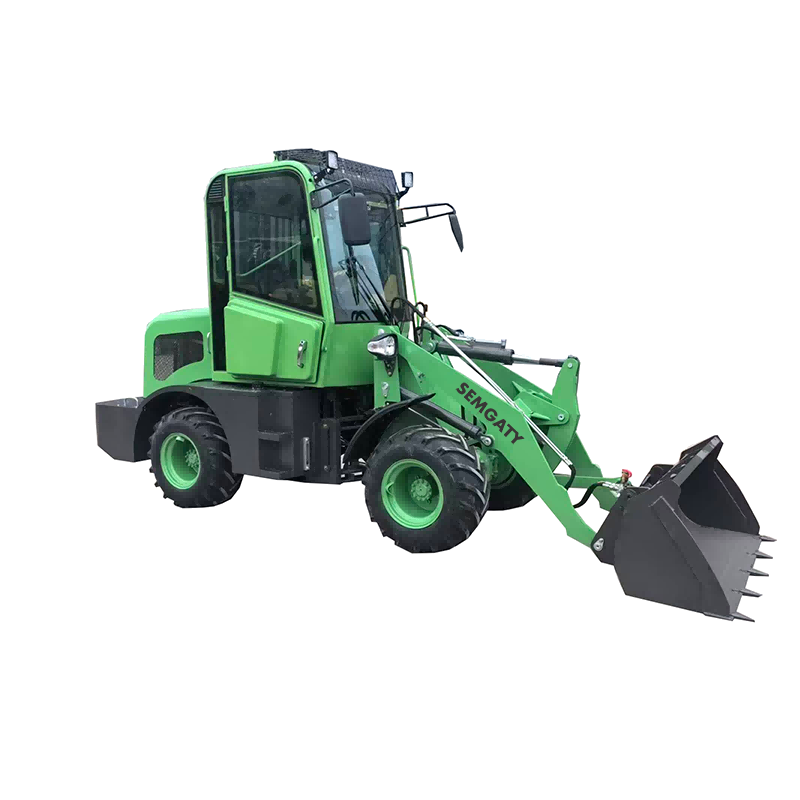
Hydraulic system durability reflects core working stability of loaders in repetitive operation processes. Long-term frequent stretching, lifting and steering actions bring continuous pressure impact on hydraulic pumps, valve groups and oil circuits. High-durability hydraulic systems keep stable working pressure and sensitive action response, with low leakage rate and minor component loss after ultra-long continuous operation cycles.
Wearable component attenuation degree acts as intuitive evaluation standard for loader durability under high-frequency operation. Bucket teeth, tires, hinge bearings and sealing parts bear long-term friction and impact loss. Scientific evaluation records component wear rate, replacement cycle and failure frequency to judge overall operation resistance of equipment. Stable loss control capability marks excellent durability of
small articulating loader in frequent short-cycle operations.
Temperature resistance and heat stability constitute key auxiliary indicators for durability evaluation. High-frequency continuous operation leads to continuous heat accumulation of engine and hydraulic systems. High-quality durable loaders maintain effective heat dissipation efficiency, with stable component temperature and no thermal attenuation of power and hydraulic performance under long-hour uninterrupted working conditions.
Anti-fatigue performance of movable structures differentiates high-quality loaders from ordinary equipment. Boom, bucket cylinder and steering linkage structures bear repeated stretching and impact loads. Standard durability tests verify structural anti-fatigue capacity through simulated long-cycle operation. Equipment with outstanding anti-fatigue performance avoids mechanical failure and action lag caused by metal fatigue.
Transmission system stability covers gearbox, drive axle and differential operation state. High-frequency start-stop and load conversion cause continuous loss of transmission components. Durable transmission systems deliver smooth power transmission, no abnormal noise or jitter, and stable torque output after long-term continuous operation, reducing mechanical failure risks in engineering construction.
Different evaluation weights apply to loaders of different tonnages and usage scenarios. Heavy-load construction sites such as mines and large earthwork projects raise higher requirements for structural durability and power stability of wheel loader. Long-term heavy-frequency impact tests become core evaluation items for such heavy-duty equipment models.
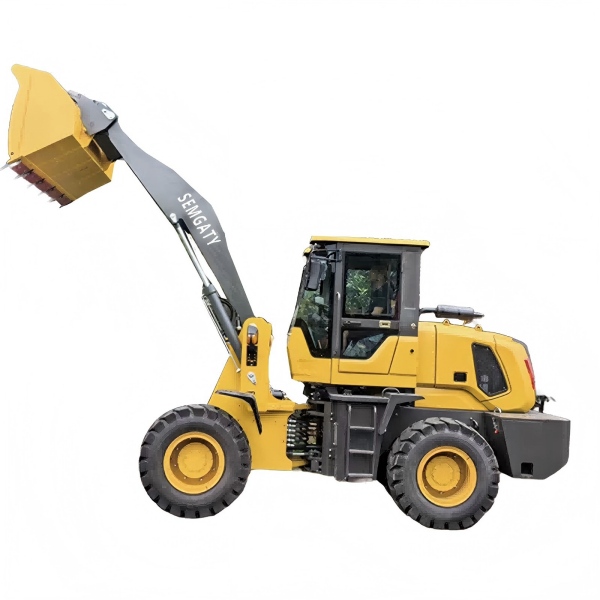
Light-load and high-frequency scenarios such as municipal renovation and garden construction focus on flexible operation and continuous working stability. Evaluation priorities for
small payloader lie in hydraulic response durability and wearable component wear resistance, ensuring long-term stable completion of repeated fine operation tasks.
Standardized cycle test methods provide data support for durability evaluation. Professional detection institutions simulate actual working conditions through uninterrupted shoveling and loading cycle tests. Record working hours, component loss data, power attenuation range and failure times to form quantitative durability evaluation reports for loaders.
Field operation data statistics serve as the most authentic basis for durability judgment. Long-term tracking of equipment daily working hours, maintenance frequency, component replacement times and fault shutdown duration reflects actual durability performance in real construction environments. Field data effectively makes up for limitations of laboratory simulation tests.
Failure frequency classification evaluation refines durability judgment standards. Minor faults such as oil leakage and component aging, and major faults such as structural cracking and power system shutdown are counted separately. Low comprehensive failure rate and long average fault-free working hours represent superior equipment durability under high-frequency continuous operation.
Maintenance adaptability is included in auxiliary durability evaluation scope. Equipment with good durability performance features convenient component replacement, low maintenance difficulty and mature matching accessories. Reasonable structural design reduces maintenance time and cost consumption in long-cycle high-frequency operation processes.
Industry durability evaluation standards keep improving with upgrading of loader manufacturing technology. More refined quantitative indicators replace traditional qualitative judgment. Clear evaluation thresholds for structural anti-fatigue, power retention and hydraulic stability provide unified industry basis for equipment performance detection and screening.
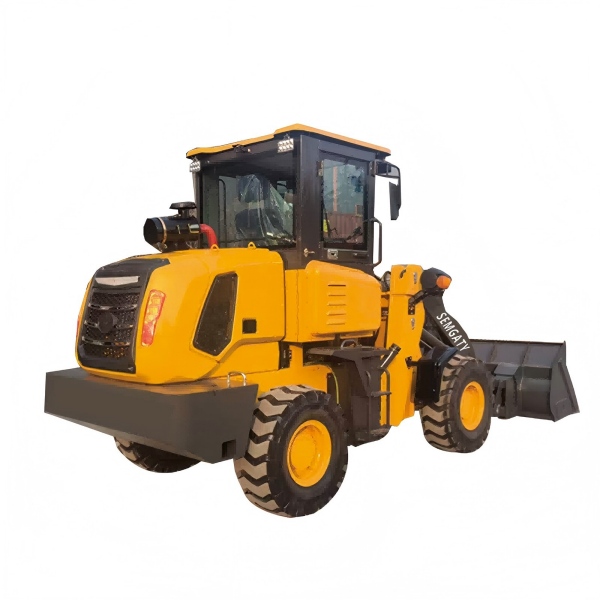
Accurate durability evaluation brings significant economic benefits for construction enterprises. Scientific screening of high-durability loaders reduces frequent equipment maintenance and replacement costs, lowers construction downtime losses, and ensures continuous and efficient progress of high-intensity engineering construction tasks.
Loader manufacturing enterprises optimize product design based on durability evaluation data. Continuous upgrading of structural materials, power matching and hydraulic configuration improves equipment adaptability to high-frequency continuous operation. Iterative optimization of manufacturing technology further improves overall durability level of engineering loaders.
In the context of large-scale and high-efficiency engineering construction, durability evaluation becomes an essential link in equipment selection and daily management. Comprehensive and systematic durability detection helps enterprises fully grasp equipment performance, realize scientific scheduling and maintenance, and guarantee stable and efficient operation of construction machinery for a long time.