Effective Negotiation and Bargaining Skills for Overseas Loader Procurement
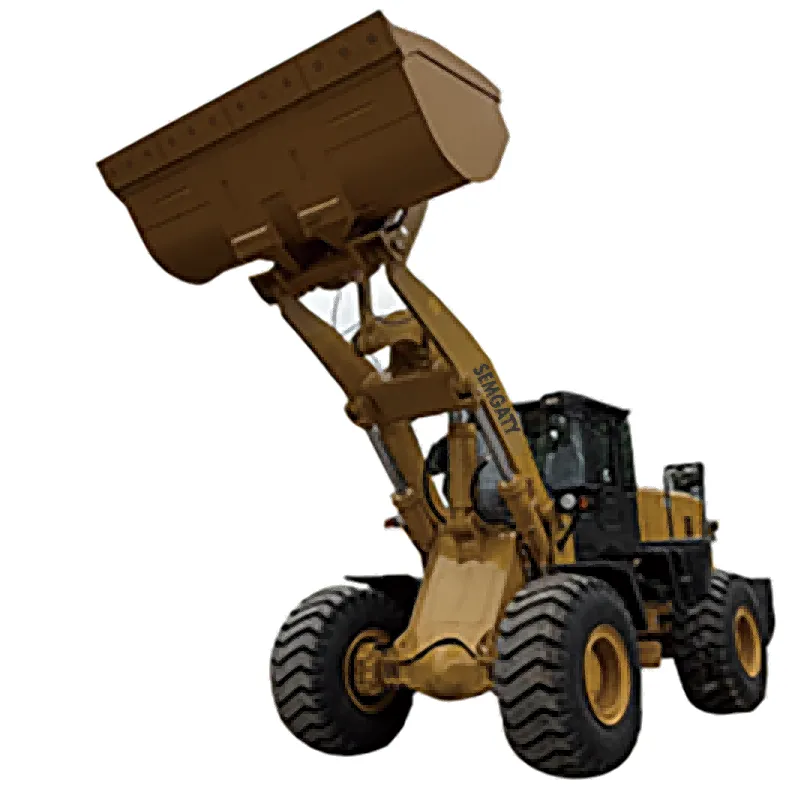
Global infrastructure development drives steady growth in cross-border procurement demand for small construction machinery.
articulating wheel loader and
compact front end loader stand as mainstream procurement choices for overseas engineering contractors and local dealers. Professional bargaining skills help procurement parties secure favorable pricing terms, stable supply conditions and comprehensive service guarantees in international trade. Systematic negotiation strategies effectively avoid irrational pricing losses and maximize procurement benefits for overseas buyers focusing on compact engineering machinery equipment.
In-depth industry and product research lays solid foundation for efficient procurement negotiation. Overseas purchasers need full mastery of mainstream configuration standards, industry cost composition and market price ranges of small loaders before formal bargaining. Clear cognition of structural advantages and functional positioning of different loader models supports reasonable price judgment and targeted negotiation deployment. Sufficient data preparation eliminates passive bargaining status caused by information asymmetry in cross-border machinery procurement activities.
Value-oriented negotiation logic serves as core principle for overseas loader procurement bargaining. Professional buyers prioritize comprehensive product value rather than simple price reduction in trade communication. High-quality raw material selection, precise manufacturing craftsmanship, standardized quality inspection procedures and reliable after-sales support constitute core value of qualified construction machinery. Reasonable elaboration of value matching relationship between product performance and pricing helps obtain legitimate discount space and favorable cooperation terms from suppliers.
Batch order negotiation strategies deliver prominent advantages in cross-border machinery procurement. Long-term cooperative intentions and bulk order demands provide powerful bargaining leverage for overseas purchasers. Procurement teams can negotiate gradient discount policies by adjusting order quantity, extending cooperation cycle and expanding product procurement categories. Stable order resources motivate suppliers to offer optimized pricing schemes and priority production scheduling for bulk loader procurement demands.
Flexible term replacement methods enrich bargaining approaches for overseas machinery procurement. Purchasers can replace single price reduction demands with optimized trade terms under fixed profit space of suppliers. Adjustment of prepayment ratio, extension of payment cycle, free provision of wearing parts and exclusive technical training services can effectively reduce comprehensive procurement costs. Diversified term negotiation achieves cost reduction and efficiency improvement without excessive price disputes in loader trade.
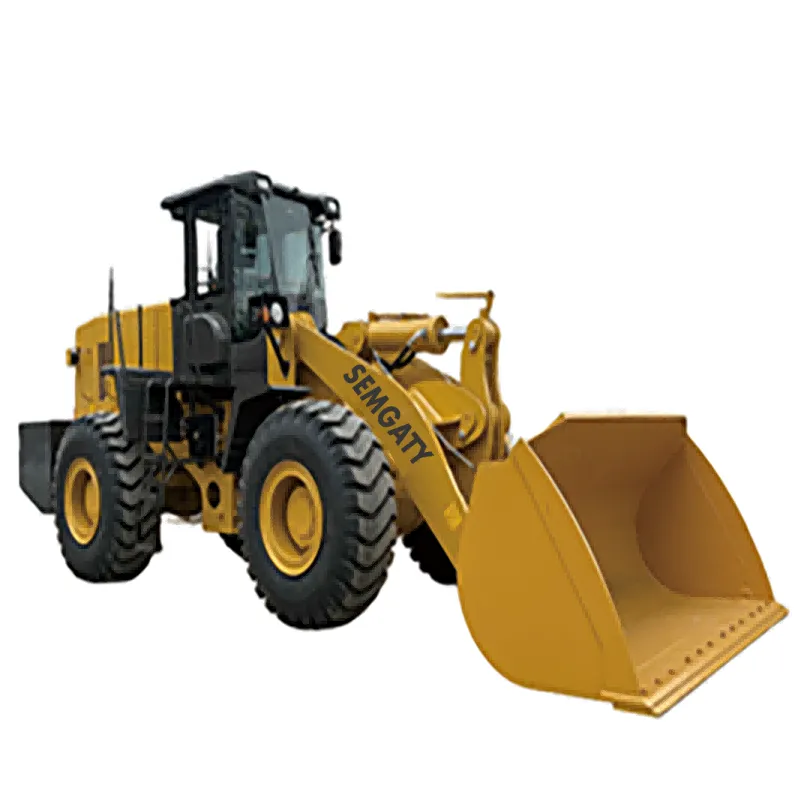
Market supply and demand analysis assists accurate bargaining judgment in loader procurement. Overseas buyers track global machinery production capacity, seasonal market fluctuations and regional inventory status to grasp optimal negotiation timing. Sufficient market supply and off-season production cycles create favorable conditions for purchasers to obtain preferential pricing. Rational use of market operation rules enhances initiative and accuracy of procurement bargaining decisions.
Cross-border logistics and cost matching negotiation optimizes overall procurement expenditure. Professional purchasers integrate product pricing with logistics cost control in comprehensive bargaining processes. Negotiation of unified long-term logistics cooperation, port operation fee exemption and centralized container loading schemes effectively cut down additional trade costs. Overall cost optimization achieves better procurement benefits than single product price reduction for small engineering machinery.
Brand and after-sales resource negotiation enhances long-term procurement value. In addition to product pricing, overseas buyers can negotiate exclusive after-sales service policies and technical support resources during bargaining. Long-term warranty extension, free remote technical guidance and rapid spare parts supply channels reduce later operation and maintenance costs. Comprehensive resource negotiation builds stable and high-cost-performance cooperation modes for long-term loader procurement projects.
Model-specific targeted negotiation tactics improve bargaining efficiency for different loader products.
compact front loader features concise functional configuration and wide application scope, supporting purchasers to negotiate standardized bulk preferential prices based on mature market supply systems.
articulating wheel loader with flexible walking performance and strong environmental adaptability allows buyers to negotiate customized service packages while confirming reasonable pricing for special working condition adaptation.
Scene matching bargaining strategies apply to diversified procurement demands of engineering machinery. compact front end loader suitable for narrow space construction can support negotiation of flexible delivery cycles and batch customized configuration discounts for scattered small-scale projects. compact front loader with stable basic performance enables purchasers to seek long-term fixed cooperation prices for daily municipal and farmland construction scenarios. Accurate matching of product features and application scenes makes negotiation terms more targeted and reasonable.
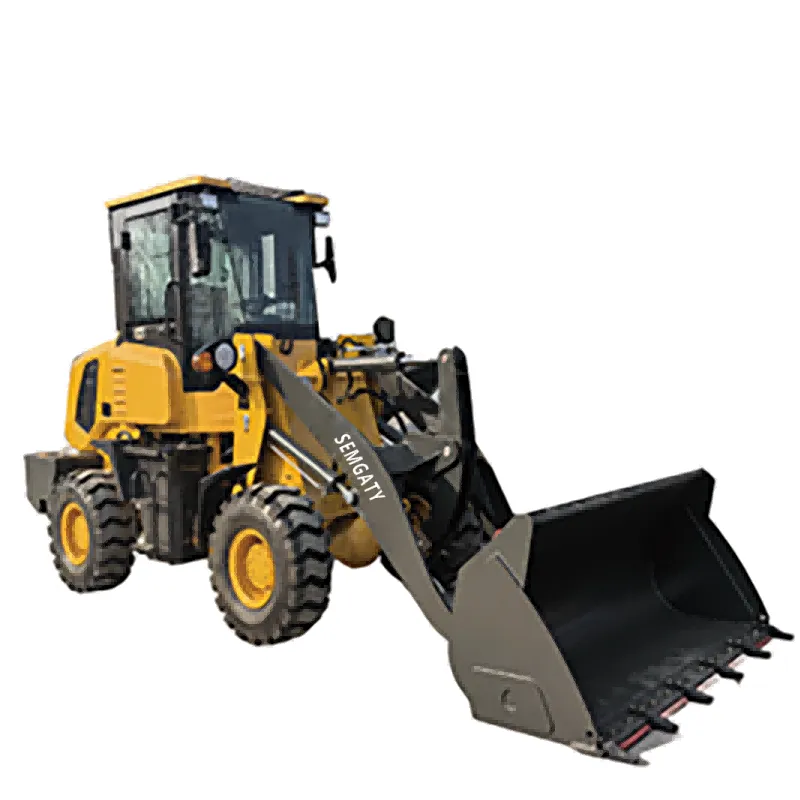
Bottom-line control and moderate concession principles guarantee stable negotiation progress. Overseas procurement teams set clear price bottom lines and term expectations before bargaining to avoid excessive cost compression triggering cooperation risks. Appropriate tolerance of reasonable profit space for suppliers ensures stable product quality and continuous after-sales services. Scientific concession rhythm and principle adherence balance procurement cost control and long-term cooperation stability in international loader trade.
Multi-dimensional comparative verification strengthens bargaining persuasion in machinery procurement. Purchasers collect quotation data of multiple qualified suppliers, compare product configuration differences, service systems and market reputation levels. Comprehensive data comparison provides objective basis for price negotiation and term optimization. Transparent industry comparison effectively promotes suppliers to offer more competitive pricing and service schemes for loader procurement orders.