Efficient Fuel Saving Methods for Long-Term Operation of Loaders
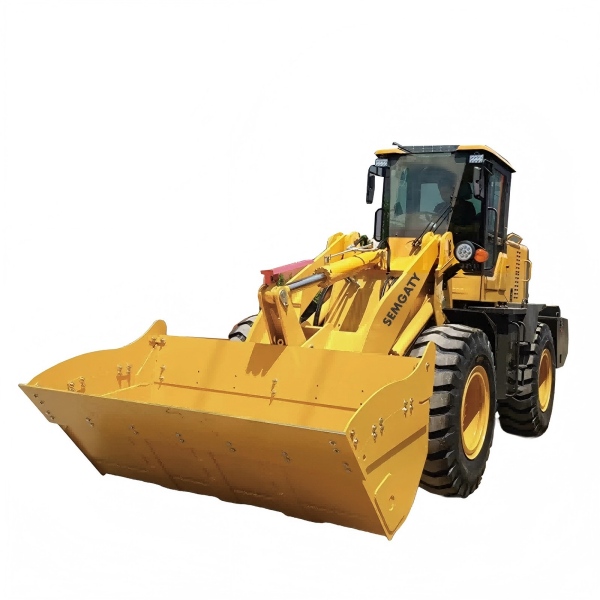
Long-term continuous operation of construction loading equipment brings high fuel consumption and raises operational costs for engineering fleets. Fuel costs account for the largest share of daily mechanical operation expenses in earthwork, mining and infrastructure projects. Standardized operation and scientific maintenance measures effectively reduce fuel waste while retaining stable construction efficiency.
Loader with standardized fuel-saving operation modes cuts down project operating expenses significantly. Scientific daily management improves the long-term economic utilization value of industrial
Loader in high-intensity construction scenarios.
Reasonable engine idle control forms the basic fuel-saving method for construction loading machinery. Prolonged idle running during material waiting and site coordination wastes diesel fuel and accelerates internal engine wear. Strict idle management requires engine shutdown for long rest periods to avoid invalid fuel combustion and carbon deposit accumulation. Optimized start-stop rules deliver stable fuel consumption control for daily operation of commercial
wheel loader machine. Standard idle operation habits also extend the overall service life of regular
wheel loader machine during long-term cyclic work.
Scientific gear matching and steady speed control reduce high-load fuel consumption for heavy-duty construction equipment. Frequent acceleration, deceleration and random gear switching trigger unstable fuel injection and incomplete combustion. Smooth traveling speed and reasonable gear selection adapt to actual load weight and road conditions to avoid power waste. Such standardized control methods create obvious fuel-saving effects for heavy-duty big wheel loader in shoveling and transportation tasks. Stable operating rhythms relieve mechanical fatigue of large-scale big wheel loader under long-hour working conditions.
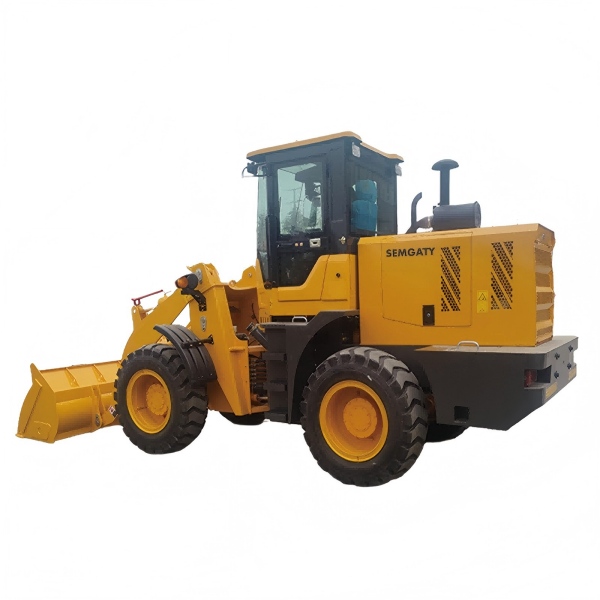
Optimized shoveling postures eliminate invalid power loss in daily loading work. Improper bucket angles, excessive penetration depth and repeated empty shoveling increase unnecessary fuel consumption. Operators can adjust bucket angles based on material density and pile height to achieve one-time full loading. Continuous and smooth shoveling movements stabilize engine and hydraulic load changes. Uniform force application reduces repeated operations and effectively lowers extra fuel loss during long-term construction.
Regular chassis maintenance minimizes traveling resistance to assist fuel consumption reduction. Abnormal tire pressure, worn tires and infrequent chassis lubrication increase ground friction and engine load. Timely pressure adjustment, tire replacement and rotating part lubrication optimize chassis operating status. Reduced running resistance lowers engine power output pressure and maintains stable fuel-saving performance in continuous operation.
Standard hydraulic system maintenance avoids abnormal power waste. Aging seals, blocked pipelines and contaminated hydraulic oil reduce transmission efficiency and increase engine burden. Regular replacement of hydraulic oil and filter elements keeps internal pipelines unobstructed. Dirt cleaning for valve blocks and inspection of connecting joints ensure sensitive hydraulic responses. Stable hydraulic operation eliminates invalid power output and controls long-term fuel consumption.
Moderate load distribution prevents overload operation and excessive fuel loss. Long-term overload work increases engine burden, aggravates component wear and raises unit fuel consumption. Strict compliance with rated load parameters balances engine power output and maintains efficient fuel combustion. Reasonable task allocation avoids frequent overload operation and supports low-consumption stable operation of loading machinery.
Professional engine maintenance sustains efficient fuel combustion for long-term work. Clogged air filters, inaccurate fuel injectors and carbon accumulation hinder full diesel combustion and reduce power performance. Regular filter replacement, injector calibration and carbon cleaning restore original engine working efficiency. Complete maintenance routines keep engines in optimal fuel-saving state for continuous high-frequency construction.
Reasonable site planning reduces invalid traveling and extra fuel waste. Disordered driving routes and repeated round trips create unnecessary fuel loss during mass material handling. Pre-operation site survey and centralized material stacking shorten moving distances. Unified equipment scheduling avoids cross operation and redundant traveling, achieving stable fuel saving in long-term project construction.
Standard start-stop habits protect power system fuel-saving performance. Frequent cold starts increase fuel injection volume and engine wear. Concentrated task arrangement reduces repeated startup and shutdown actions. Compliant warm-up procedures stabilize engine operating temperature and avoid excessive fuel consumption in initial working stages, maintaining long-term low fuel consumption levels.
Regular heat dissipation maintenance optimizes fuel efficiency in high-temperature environments. Dust and mud accumulation on heat dissipation structures block heat circulation and cause high engine temperature. Overheating status reduces power output and increases fuel consumption. Regular cleaning of water tanks and heat dissipation nets ensures stable temperature control, supporting efficient fuel combustion during long-hour continuous operation.
Scientific fuel-saving systems combining standardized operation and professional maintenance create stable long-term economic benefits. Refined daily operation and maintenance details effectively lower unit fuel consumption and overall project costs. Standard management reduces equipment failure frequency and extends component service life. Reliable fuel-saving methods improve comprehensive working efficiency and maximize the practical value of loading machinery in various engineering projects.