Intelligent Configuration Upgrade Solutions for Modern Wheel Loaders
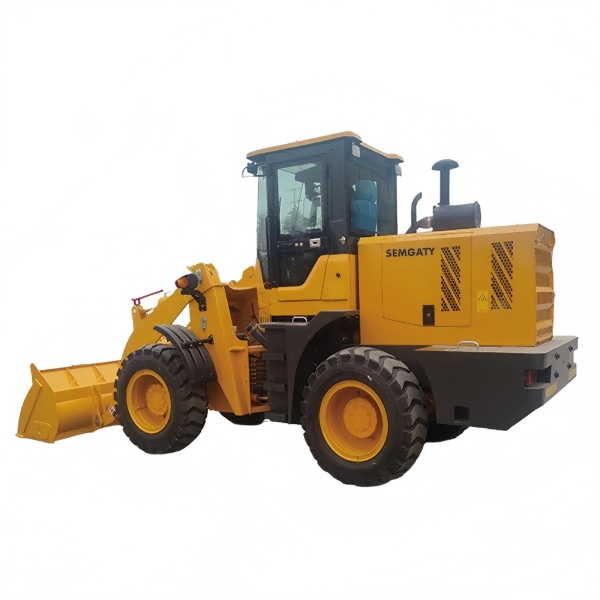
Modern engineering construction pursues intelligent transformation to elevate operational efficiency, safety standards and cost control effects in bulk material handling, quarry exploitation and earthwork projects. Traditional mechanical configurations rely on manual operation and regular maintenance, limiting optimization space for construction precision and energy consumption. Continuous technological iteration brings diversified intelligent upgrade modules suitable for loading machinery renovation and performance improvement. Targeted configuration upgrades enhance equipment intelligence level, reduce human intervention and stabilize long-term operating performance.
Loader equipped with upgraded intelligent systems achieves unmanned auxiliary operation and precise energy management in complex construction scenarios. Modular intelligent renovation greatly improves operational competitiveness and service value of industrial
Loader for modern engineering fleets.
Intelligent monitoring system upgrade forms core foundation of modern equipment intelligent transformation. High-precision sensor modules collect real-time data of engine operating status, hydraulic pressure, temperature and component wear conditions during construction. Automatic data recording and trend analysis replace manual inspection modes to capture potential mechanical abnormalities in advance. Cloud data platforms support remote viewing of equipment operation parameters and working tracks. Intelligent early warning mechanisms trigger prompt reminders for abnormal temperature, pressure fluctuation and component fatigue. Systematic monitoring upgrades optimize operational safety and maintenance efficiency of standard
wheel loader machine in long-cycle construction. Digital data management improves intelligent management level and fault response speed of commercial
wheel loader machine in large-scale fleet operation.
Smart energy-saving configuration renovation optimizes power consumption and operating economy of loading equipment. Intelligent throttle control systems automatically adjust fuel injection volume and power output according to real-time load changes and working scenarios. Adaptive power matching modes avoid invalid fuel combustion and power waste under light-load or idle states. Intelligent cooling systems regulate fan operating speed based on engine temperature to reduce unnecessary power loss. Optimized energy management hardware and software lower comprehensive fuel consumption in full-shift working cycles. Intelligent energy-saving upgrades deliver prominent economic benefits for heavy-duty
big wheel loader in high-frequency bulk handling tasks. Adaptive power regulation systems maintain efficient and low-consumption operation state of large-scale
big wheel loader in diversified construction environments.
Intelligent auxiliary operation configuration enhances construction precision and operational safety. Automatic leveling modules monitor ground fluctuation data and fine-tune bucket angles in real time to ensure consistent ground flatness during leveling work. Intelligent weighing systems record accurate material loading volume without manual measurement, realizing quantitative construction management. Anti-collision sensing devices identify surrounding obstacles and trigger speed limiting prompts to avoid onsite collision accidents. Auxiliary visual monitoring systems eliminate blind areas and expand viewing range for operators in complex terrain operation. These intelligent auxiliary functions reduce operational errors and improve construction standardization of loading machinery.
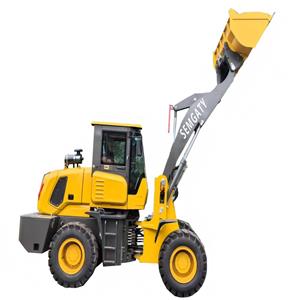
Remote intelligent management system realizes centralized fleet scheduling and equipment supervision. Cloud-based management platforms bind operating data of multiple loading devices to achieve unified online management. Managers check real-time working positions, daily output and equipment running status through terminal devices without onsite inspection. Intelligent scheduling algorithms distribute construction tasks reasonably according to equipment working state and site demands. Automatic working data statistics simplify post-project data sorting and performance evaluation work. Remote management modes greatly improve overall scheduling efficiency of construction fleets and reduce management labor costs.
Intelligent fault diagnosis and self-inspection modules reduce equipment downtime and maintenance costs. Built-in intelligent programs conduct full-system self-inspection of hydraulic circuits, power systems and walking structures before equipment startup. Automatic screening of minor faults and abnormal operating parameters provides targeted maintenance suggestions for staff. Data comparison with factory standard parameters judges component aging degree and predicts replacement cycles. Intelligent fault tracing shortens manual troubleshooting time and avoids blind disassembly inspection. Timely early warning and precise diagnosis effectively reduce sudden shutdown probability in peak construction periods.
Automated driving auxiliary configuration adapts to unmanned construction development trends. High-precision positioning modules support accurate route planning and automatic traveling along preset tracks in fixed working yards. Intelligent shoveling programs adjust digging depth and bucket posture according to material hardness and stacking states. Automatic loading and unloading procedures reduce repetitive manual operation actions in high-frequency cyclic tasks. Auxiliary unmanned operation modes lower labor intensity and adapt to harsh working environments with high dust or extreme temperatures. Gradual intelligent driving upgrades promote unmanned and standardized development of loading construction.
Intelligent cab configuration upgrades operator working comfort and operational convenience. Intelligent central control panels integrate multiple function keys to simplify complicated mechanical operation steps. Automatic temperature control systems adjust internal cab temperature according to external environmental changes to maintain comfortable working environments. Intelligent vibration reduction and noise reduction modules lower mechanical jitter and operating noise during high-intensity work. High-definition display screens present real-time equipment data and surrounding monitoring images clearly. Humanized intelligent cab designs reduce operator fatigue and improve long-shift working efficiency.
Intelligent lubrication system upgrade ensures automatic component protection in full working cycles. Traditional manual lubrication relies on personal experience and often causes insufficient or excessive grease filling. Automatic intelligent lubrication devices set fixed grease output cycles and filling dosage according to equipment operating hours. Precision oil supply covers all hinge points, pin shafts and movable friction parts without missing positions. Timely and quantitative lubrication reduces metal dry friction and component wear under heavy-load operation. Intelligent lubrication management extends service life of vulnerable parts and lowers daily maintenance workload.
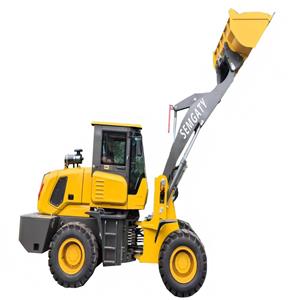
Environmental protection intelligent configuration meets modern green construction standards. Intelligent dust suppression systems start automatic spraying actions during high-dust shoveling and stacking operations to reduce floating dust diffusion. Exhaust gas monitoring modules detect tail gas emission data in real time and adjust combustion parameters to reduce harmful gas output. Low-noise intelligent control programs optimize power output frequency and reduce mechanical noise pollution during operation. Green intelligent configurations help construction projects meet environmental assessment requirements and realize sustainable construction development.
Intelligent tire and chassis monitoring configuration guarantees traveling safety on complex terrain. Specialized sensors monitor tire pressure, temperature and tread wear status in real time during equipment traveling. Automatic alarm prompts appear for abnormal tire pressure or excessive wear to avoid tire burst and slipping risks. Chassis stress monitoring modules collect structural stress data and remind operators of overload or unbalanced stress states. Terrain adaptive intelligent systems adjust traveling speed and suspension parameters according to ground conditions. Comprehensive chassis and tire monitoring effectively improves terrain adaptability and traveling safety of loading machinery.
Modular intelligent upgrade scheme supports flexible equipment renovation for different demands. Construction teams select targeted upgrade modules according to project types, working intensity and budget arrangements. Old equipment can complete partial intelligent renovation through simple module installation and program debugging. Newly purchased equipment supports full intelligent configuration assembly to realize full-scene intelligent operation. Flexible upgrade modes avoid redundant configuration waste and maximize input-output ratio of equipment renovation. Modular intelligent transformation helps traditional loading machinery adapt to modern intelligent construction standards.
Systematic intelligent upgrade realizes long-term value improvement of loading equipment. Integration of intelligent monitoring, automatic operation, remote management and green energy-saving modules forms complete intelligent operation systems. Multi-dimensional intelligent optimization solves pain points of high energy consumption, high failure rate and low management efficiency of traditional equipment. Continuous data accumulation supports iterative optimization of operation modes and maintenance schemes. Intelligent configuration upgrades comprehensively improve construction efficiency, safety performance and economic benefits of loading machinery in modern engineering fields.