Equipment Application Experience for Pasture Foundation Excavation and Site Renovation
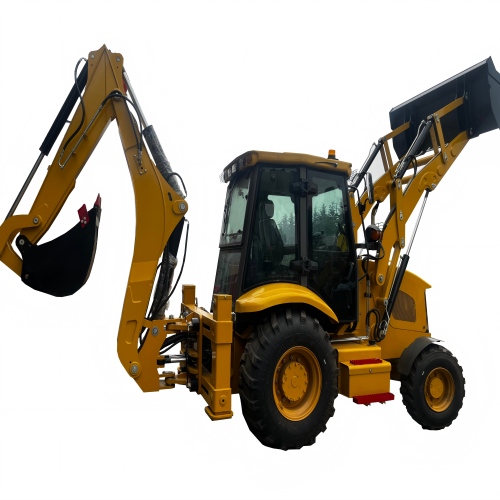
Modern pasture construction and renovation require systematic foundation excavation, terrain trimming, drainage layout and overall site leveling to build standardized, clean and safe livestock breeding environments. Pasture construction sites commonly feature loose soil, uneven terrain and humid ground conditions, which raise unique requirements for engineering equipment operation and construction accuracy. Traditional manual work and single-function machinery fail to deliver uniform foundation structure, smooth ground gradient and orderly site zoning, resulting in unstable pasture facilities, poor drainage performance and increased later maintenance workload. Multi-functional construction machinery effectively solves various technical difficulties in pasture infrastructure construction and improves overall project standardization.
backhoe machine with pasture-specific working configurations completes precise foundation excavation, orderly soil backfilling and refined site trimming for diversified pasture renovation tasks. Optimized hydraulic sensitivity and terrain adaptive design enable durable
backhoe machine to maintain stable working effects on loose, humid and undulating pasture ground throughout full construction procedures.
Foundation excavation represents the most critical basic procedure for new pasture building and old pasture upgrading. Typical pasture engineering includes trenching for breeding house foundations, feeding platform bases, sewage drainage ditches and fence embedding grooves. Standardized excavation work demands consistent groove depth, neat groove walls and flat groove bottoms to support stable concrete pouring and firm facility installation. Non-standard excavation behaviors easily cause inclined foundation walls, loose side soil and uneven trench depth, creating structural risks for long-term pasture facility operation. Reliable mechanical performance and precise operational control ensure one-time forming quality of foundation trenches and reduce secondary trimming work. Upgraded structural design and optimized power output greatly enhance working accuracy and environmental adaptability of newly developed new backhoe in various pasture foundation projects. Fine-tuned hydraulic response and stable load control maintain high construction uniformity of advanced new backhoe during continuous large-scale pasture excavation operations.
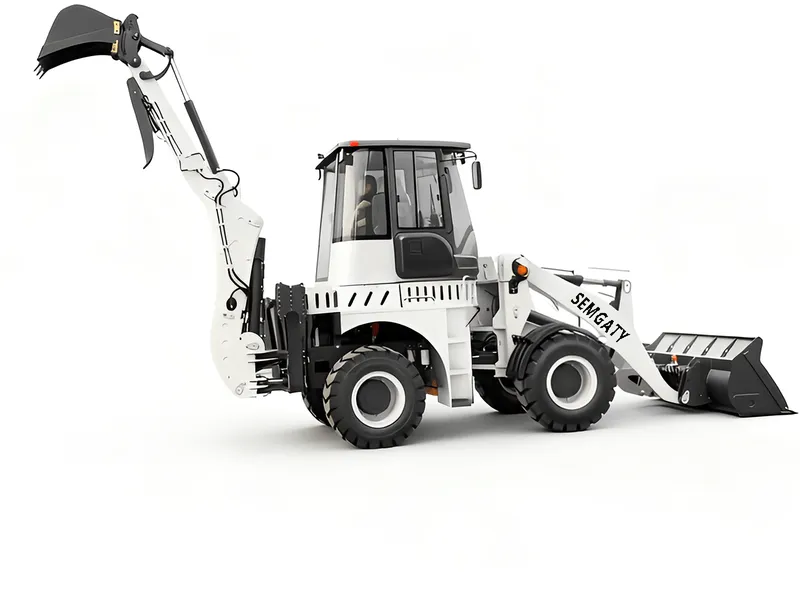
Scientific terrain trimming and site leveling directly improve pasture breeding conditions and daily management efficiency. Well-leveled pasture sites form reasonable drainage gradients to eliminate rainwater accumulation, sewage retention and muddy surface areas that easily breed bacteria and affect livestock health. Flat and orderly ground also facilitates daily cleaning, pasture disinfection and livestock walking activities. Ordinary single-function machinery struggles to integrate excavation, soil rearrangement and large-area leveling, resulting in fragmented terrain and unsmooth water flow. Multi-functional dual-end working structures realize integrated soil removal, depression backfilling, mound trimming and overall ground neatening. Comprehensive working advantages make
front loader and backhoe highly suitable for refined terrain optimization and functional zoning adjustment of modern pastures. Steady working precision and flexible scenario adaptability continuously improve construction quality of classic
front loader and backhoe in pasture site finishing and ecological renovation projects.
Layered soil backfilling and graded compaction effectively enhance pasture foundation stability. Foundation excavation leaves hollow trench structures and loose accumulated soil around construction areas, which require standardized backfilling treatment to avoid later ground settlement and terrain deformation. Construction experience from multiple pasture projects proves thick-layer one-time filling leads to internal soil voids and unbalanced ground stress, while excessive compaction hardens surface soil and damages natural soil permeability. Professional thin-layer backfilling and moderate compaction modes consolidate foundation structures while retaining proper soil air permeability, creating stable and breeding-friendly ground conditions. Reasonable control of compaction range and intensity protects original soil layers outside construction zones and maintains overall site flatness. Standardized backfilling workflows reduce repeated soil handling and improve comprehensive construction efficiency of pasture foundation engineering.
Adaptive low-load operation modes solve common construction obstacles on loose and humid pasture soil. Long-term livestock activities and outdoor humid environments keep pasture topsoil soft and low in bearing capacity, which easily cause machinery sinking, wheel sliding and unbalanced working postures during construction. Reasonable operational adjustments effectively improve construction smoothness on special pastoral terrain. Stable traveling speed and gradual boom movement reduce concentrated ground pressure and avoid sudden soil collapse or mechanical sinking. Controlled excavation depth and working coverage minimize unnecessary soil disturbance and protect natural soil structure of pasture lands. Such targeted operation strategies greatly lower on-site rework rate and ensure continuous construction progress in complex pastoral environments.
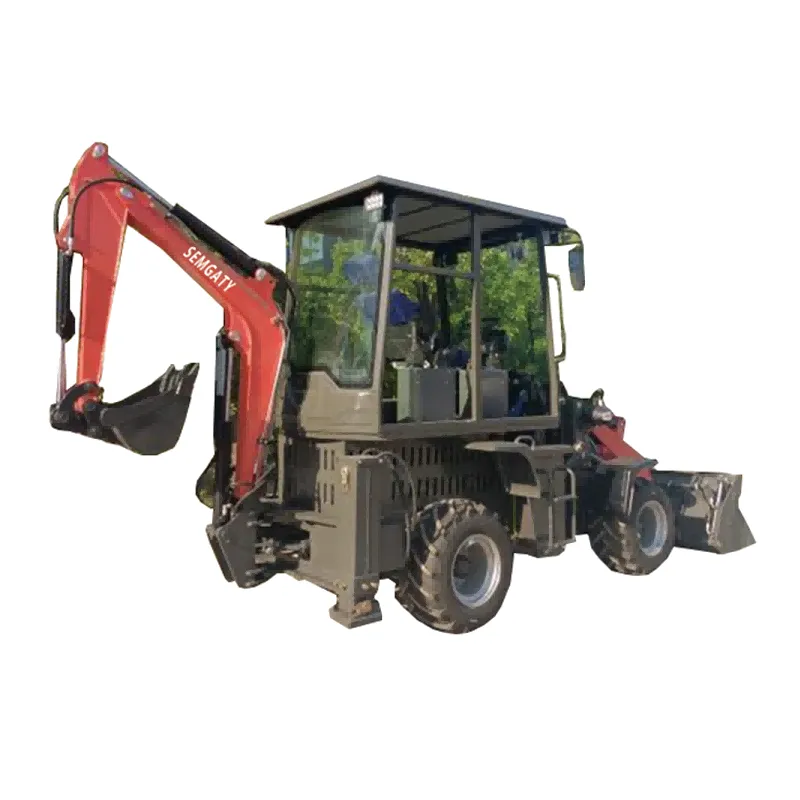
Flexible functional switching adapts equipment to multi-scene pasture renovation requirements. Complete pasture construction covers foundation trenching, drainage ditch shaping, residual soil cleaning, temporary road leveling and boundary trimming for breeding zones. Different working procedures require different bucket specifications and operating precision standards. Modular accessory configurations including narrow trenching buckets and wide grading buckets support rapid function conversion to match diversified construction demands. Precision narrow buckets complete fine trenching for sewage systems and fence foundations, while large-capacity working devices finish rapid residual soil removal and large-area ground leveling. Flexible equipment adjustment eliminates frequent machinery replacement and simplifies on-site construction scheduling, effectively shortening overall project cycles for pasture infrastructure upgrading.
Low-disturbance construction methods protect pasture ecological stability and sustainable land use. Pasture renovation focuses on protection of existing vegetation and fertile topsoil to avoid large-scale land bare and ecological damage. Gentle hydraulic operation reduces mechanical vibration and limits soil turnover scope, preserving intact surface vegetation and stable soil layers within non-construction areas. Centralized soil stacking and orderly residue cleaning prevent random soil accumulation and terrain damage, maintaining tidy and standardized site conditions. Environment-friendly construction modes balance engineering upgrading and ecological protection, enabling renovated pastures to support healthy livestock breeding and maintain long-term ecological balance.
Energy-saving operation and low-maintenance structural design reduce long-term pasture construction costs. Most pastoral construction areas locate in remote regions with limited project budgets and inconvenient equipment maintenance conditions. Optimized power matching outputs appropriate torque for low-intensity refined pasture construction, avoiding invalid energy consumption and excessive fuel waste. Mature mechanical structures lower component abrasion and equipment failure frequency during intermittent construction cycles. Universal spare parts and simple structural layout support convenient on-site inspection and rapid maintenance, effectively reducing operational and maintenance expenditures for pasture engineering projects.