

Forklift Machines: Core Selection Tips & Application Scenarios
In the global logistics, warehousing, manufacturing, and agricultural material handling industries, forklift machines are essential handling equipment that greatly improves the efficiency of cargo transfer and reduces manual handling costs. With the rapid development of the global logistics industry, the demand for professional and efficient handling equipment continues to rise, and choosing a suitable forklift has become a key decision for enterprises to optimize operational efficiency and control operating costs. For global purchasers and enterprise users, clarifying the performance characteristics and application scenarios of different forklifts is the core of scientific selection.
Forklift handling equipment covers a variety of models, which are divided into different types according to power mode, load capacity and body size, adapting to diversified material handling needs. The core parameters of forklifts mainly include rated load capacity, lifting height, power type and body size, each parameter directly determines the applicable scenarios and operational efficiency of the equipment. When selecting, users need to combine daily handling cargo weight, storage space height and operating environment to make a reasonable choice.
Rated load capacity is the most basic parameter of forklifts, which refers to the maximum weight of goods that the equipment can safely carry and lift. The load range of conventional forklifts is wide, from small light models to large heavy-duty models, which can meet the handling needs of various lightweight goods and heavy loads. Matching the rated load with the actual weight of daily handled goods can ensure operational safety and avoid equipment damage caused by overloading.
Lifting height is another key indicator, which is determined according to the storage shelf height and cargo stacking height. The lifting height of conventional forklifts ranges from 3 meters to 6 meters, and customized high-lift models can meet higher stacking needs. Reasonable lifting height can ensure smooth stacking and handling of goods, and improve the space utilization rate of warehouses and logistics yards.
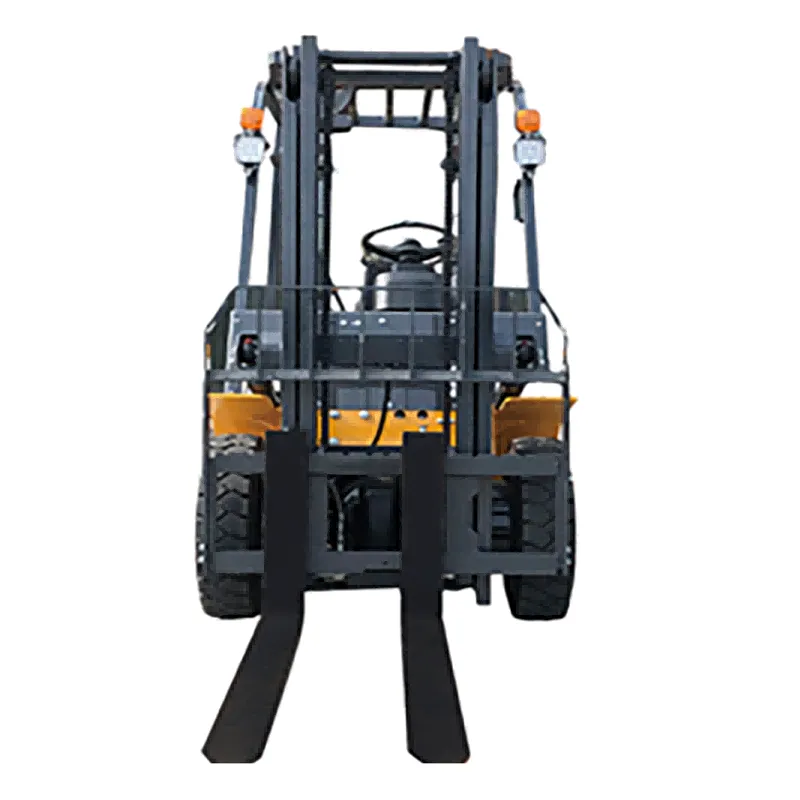
The power mode of forklifts directly affects the use scenario and operating cost. Common power modes include diesel, electric and gasoline, among which diesel-powered forklifts have strong power and long endurance, suitable for outdoor open-air handling operations; electric forklifts are clean and pollution-free, suitable for indoor and closed environment operations; small models are more flexible and suitable for narrow space handling.
forklift machine is a general handling equipment with wide applicability, featuring stable operation, simple operation and strong durability. It can adapt to most conventional material handling scenarios such as logistics parks, factory workshops and cargo terminals, undertaking loading, unloading, stacking and transfer of various goods, and is an indispensable handling tool for various enterprises.
This type of forklift has a reasonable structural design, strong load stability, not easy to roll over during operation, and high safety factor. The daily maintenance is simple and convenient, which can reduce the failure rate and maintenance cost, ensure the continuous progress of handling work, and improve the overall operational efficiency of enterprises.
When selecting forklifts, the operating environment is a key consideration. Outdoor open-air operations with complex terrain need equipment with strong power and good passability; indoor narrow warehouses and workshops need models with compact size and flexible steering to avoid collisions with shelves and equipment.
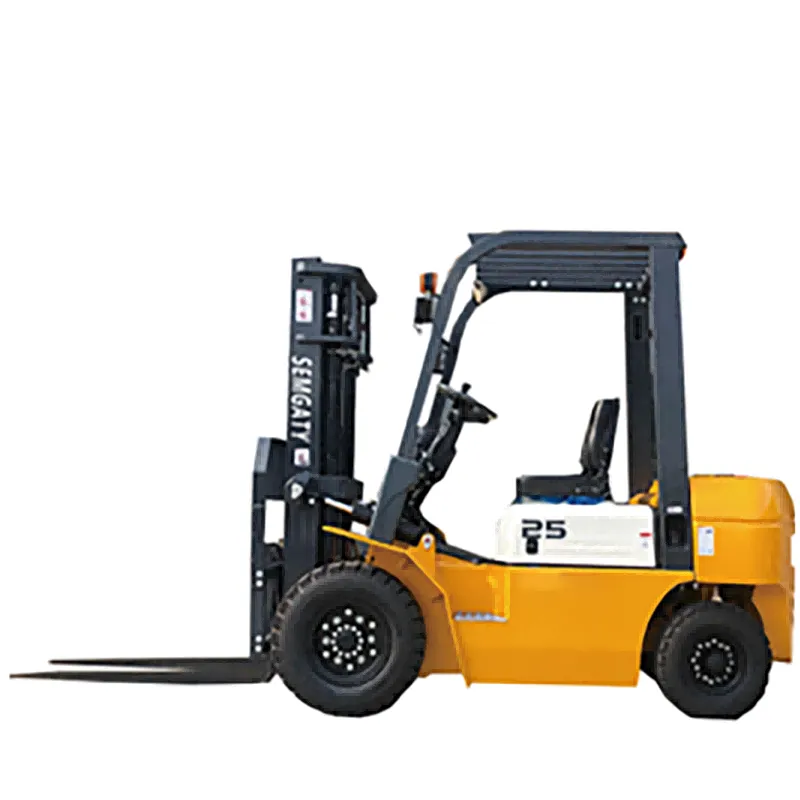
diesel for forklift has outstanding advantages in outdoor heavy-load handling, with strong power output, strong endurance and strong terrain adaptability. It can operate stably in open-air logistics yards, port terminals and construction sites, suitable for long-term continuous heavy-load handling operations, and is the first choice for outdoor heavy-duty handling.
Diesel-powered forklifts have low requirements for the use environment, strong durability, and can adapt to harsh working conditions such as uneven ground. The fuel supplement is convenient, which can avoid the impact of power shortage on the operation progress, and is more suitable for enterprises with outdoor long-time handling needs.
For small warehouses, retail stores and small manufacturing enterprises with limited operating space, large forklifts are difficult to play a role, and small flexible models are more in line with actual needs. This type of enterprise pays more attention to the flexibility and space utilization of equipment, and needs to complete efficient handling in narrow spaces.
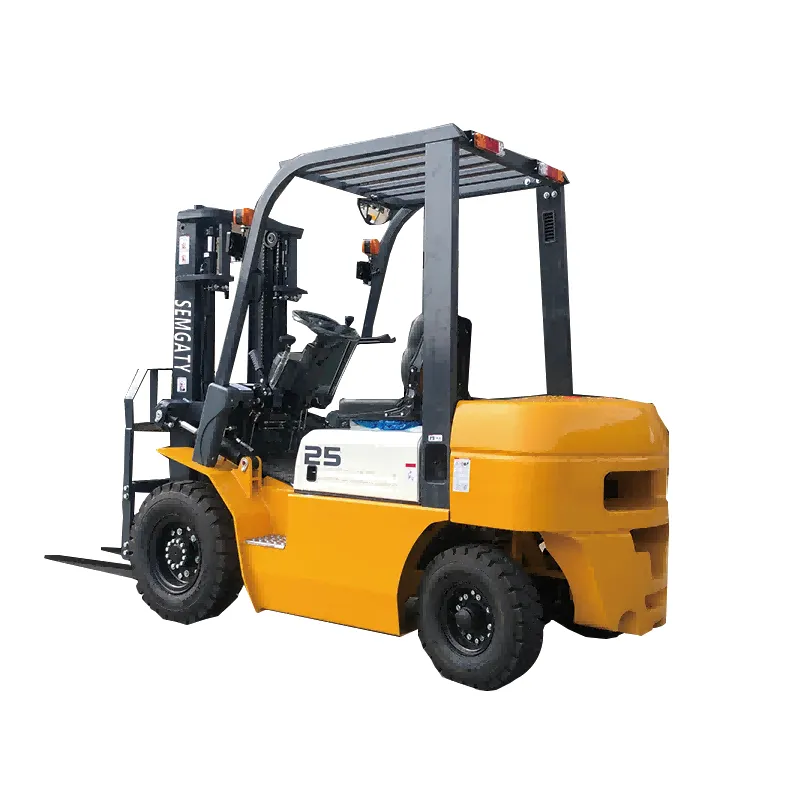
small forklift features compact body, small turning radius and flexible movement, which can easily shuttle in narrow warehouses, workshops and small cargo yards. It is suitable for handling lightweight goods, with simple operation, low energy consumption and small floor space, meeting the handling needs of small and medium-sized enterprises and individual businesses.
This model is easy to operate and learn, operators can quickly master the operation skills, and the investment cost and later use cost are low, with high cost performance. It can meet daily lightweight cargo handling, stacking and transfer needs, and solve the handling difficulties of small enterprises in limited space.
In terms of daily use, standardized operation and regular maintenance can extend the service life of forklifts. Regularly check the power system, lifting mechanism and tire wear, timely replace vulnerable parts, which can reduce the probability of failure and ensure the safe and stable operation of the equipment.
For enterprises with diversified handling needs, forklift machine can meet conventional comprehensive handling needs; outdoor heavy-load handling can choose equipment matching diesel for forklift; small space lightweight handling needs to choose small forklift.
In summary, selecting a suitable forklift needs to comprehensively consider load demand, operating environment, space size and use cost. Accurate matching of models and scenarios can maximize handling efficiency, reduce enterprise operating costs, and provide efficient and stable equipment support for global logistics and material handling industries. With the continuous development of the global logistics industry, forklift technology will continue to optimize, and the applicability and efficiency of equipment will be further improved.