Fuel-Efficient Operation Habits for Long-Term Loader Construction

Continuous long-cycle construction occupies most service time of loading machinery across earthwork, quarry and yard handling projects. Improper driving and loading habits boost unnecessary diesel consumption and raise cumulative operating expenses for construction teams. Cultivation of standardized fuel-saving working manners cuts redundant fuel waste without lowering daily construction output.
Loader following refined energy-saving operation rules keeps reasonable fuel consumption level amid months of uninterrupted tasks. Gradual formation of scientific operation modes improves overall economic benefits of industrial
Loader for fleet owners with large-scale construction schedules.
Controlled engine idle management stands as the foundational fuel-saving habit for loading equipment operators. Random idle running during material waiting, site rearrangement and crew shift change creates massive useless fuel combustion and extra carbon accumulation inside engine cylinders. Operators complete full engine shutdown once waiting duration exceeds three minutes to avoid ineffective fuel loss. Strict idle management norms lower daily fuel expenditure and slow internal component abrasion. Standard idle control delivers obvious cost-saving results for regular wheel loader machine running under daily cyclic construction arrangements. Consistent idle management habits reduce long-term fuel expenditure of commercial wheel loader machine working on year-round engineering projects.
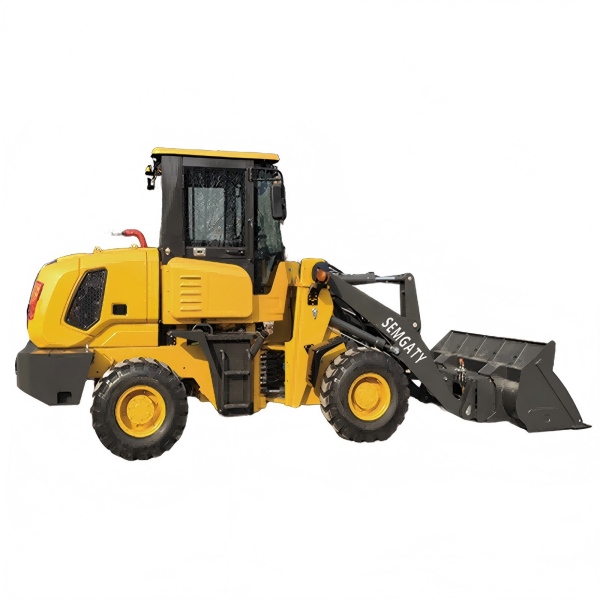
Uniform speed shifting and gentle acceleration help cut fuel waste from unstable power output. Sudden full throttle acceleration, frequent emergency deceleration and arbitrary gear shift force engines to burn extra fuel for instantaneous power surge. Steady throttle input and gradual speed change maintain stable fuel atomization and complete combustion inside combustion chambers. Matching traveling speed with actual load weight avoids low-gear high-speed traveling which triggers abnormal fuel surge. Smooth speed control effectively curbs excess fuel usage during transit and shoveling work for heavy-duty
big wheel loader on rugged construction ground. Stable driving rhythm minimizes unnecessary fuel consumption of large-size
big wheel loader amid long-hour repeated material haulage.
Optimized bucket shoveling posture eliminates power loss from repeated empty shoveling operations. Improper insertion depth and skewed bucket angle lead to incomplete material filling and multiple repeated digging motions. Operators adjust bucket inclination based on material density and stacking height to finish full loading within single digging movement. Reduced redundant shoveling cuts frequent engine load fluctuation and corresponding extra fuel burn. Reasonable loading posture stabilizes power transmission and limits fuel waste caused by irregular working gestures throughout daily construction.
Scientific on-site route planning reduces blank traveling and irrelevant fuel consumption. Disordered site layout and blind random movement generate plenty of empty driving trips without actual loading tasks. Pre-work site survey arranges concentrated material stacking areas and fixed operating zones to shorten moving distance between stockpile and discharge spot. Centralized task scheduling avoids cross-site round trips and scattered traveling paths. Rational route layout trims invalid mileage and steadily lowers cumulative fuel consumption in long-term construction cycles.
Reasonable load restraint avoids overload operation and abnormal fuel increment. Excessive single-bucket load increases engine compression burden and pushes fuel injection volume far above standard scope. Continuous overload status damages fuel combustion efficiency and accelerates part wear simultaneously. Operators abide by rated load parameters to arrange daily loading volume and keep equipment running within design bearing range. Controlled load value maintains ideal fuel combustion state and prevents steep rise of unit fuel consumption in prolonged work.
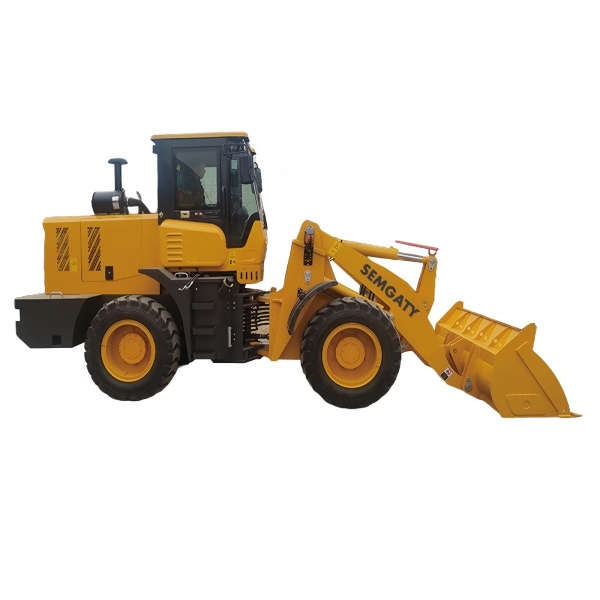
Timely chassis maintenance supports fuel-saving effect via reduced running resistance. Abnormal tire pressure, rusted hinge points and lacking chassis lubrication raise ground friction and force engines to consume extra fuel for overcoming resistance. Periodic tire pressure calibration and regular hinge grease filling cut mechanical friction loss effectively. Well-maintained chassis lowers engine load and helps retain original fuel-saving performance under continuous daily construction.
Avoidance of frequent cold startup reduces fuel waste from cold-stage fuel enrichment. Cold engine status requires extra fuel supply to reach optimal working temperature after each restart. Focused task grouping concentrates continuous construction work and lessens repeated startup and shutdown frequency within single working shift. Compliance with standard warm-up steps shortens high-fuel-consumption cold running period and cuts redundant fuel input in early operation stage.
Regular cleaning of engine intake and heat dissipation parts sustains efficient fuel combustion. Blocked air filters and dusty heat dissipation covers damage air intake volume and raise engine operating temperature. High working temperature deteriorates fuel combustion efficiency and increases per-unit fuel burn. Timely filter cleaning and radiator dirt removal restore normal air circulation and keep fuel consumption staying at factory design level for long-term use.
Coordinated cooperation with ground auxiliary workers shortens waiting and idle intervals. Unmatched unloading preparation delays lead to long-time equipment stay and continuous idle fuel loss. Smooth communication between loader operators and ground staff completes material unloading without unnecessary waiting gaps. Tight construction coordination eliminates scattered idle moments and achieves steady fuel saving throughout whole construction cycle.
Long-term accumulation of standardized operation habits forms core competitiveness for construction fleet cost control. Small fuel saving improvements in each working cycle create huge profit growth space for annual project operation. Persistent implementation of fuel saving skills protects mechanical health and reduces maintenance frequency besides cutting diesel costs. Stable low consumption operation mode maximizes service value of construction loading machinery in various harsh engineering environments.