High-Altitude Low-Pressure Construction Adaptation Skills for Large Wheel Loaders
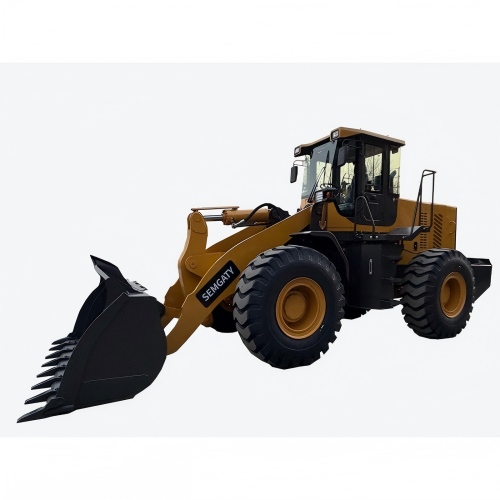
High-altitude construction environments feature low atmospheric pressure, thin air, low temperature and strong wind, which bring unique operating challenges for engineering loading machinery. Thin air reduces engine oxygen intake efficiency and weakens power output, while low pressure affects hydraulic system operating stability. Long-duration construction in plateau areas easily causes insufficient power, difficult heat dissipation and increased mechanical wear. Professional adaptive operation and maintenance skills eliminate high-altitude construction limitations and stabilize equipment working performance.
Loader with standardized high-altitude adaptation modes maintains efficient operating state in plateau low-pressure environments. Targeted construction adjustment strategies prolong service life of industrial
Loader in long-term high-altitude engineering projects.
Engine air intake system optimization acts as the core adaptation measure for high-altitude low-pressure construction. Thin air in plateau regions reduces oxygen density and leads to incomplete fuel combustion inside engine cylinders. Blocked or clogged air filter elements further reduce air intake volume and aggravate power attenuation. Regular cleaning and frequent replacement of air filter parts guarantee sufficient air circulation and combustion efficiency. Moderate adjustment of fuel injection parameters matches oxygen supply status to avoid fuel waste and carbon deposition. Professional air intake maintenance stabilizes power output of standard
wheel loader machine in low-pressure plateau working scenarios. Optimized combustion adaptation eliminates power attenuation faults of commercial
wheel loader machine during continuous high-altitude operation.
Hydraulic system pressure calibration adapts to high-altitude low-pressure operating environments. Atmospheric pressure changes in plateau areas affect internal and external pressure balance of hydraulic pipelines and sealing structures. Unadjusted hydraulic parameters cause slow cylinder response, unsmooth action and slight oil seepage. Professional pressure debugging balances internal hydraulic pressure with external low atmospheric pressure to maintain stable power transmission. Regular inspection of hydraulic sealing components prevents pressure leakage caused by air pressure difference. Precision parameter adjustment ensures flexible and stable operation of heavy-duty big wheel loader in high-altitude construction zones. Low-pressure adaptive calibration maintains structural tightness and working accuracy of large-scale big wheel loader under plateau environmental conditions.
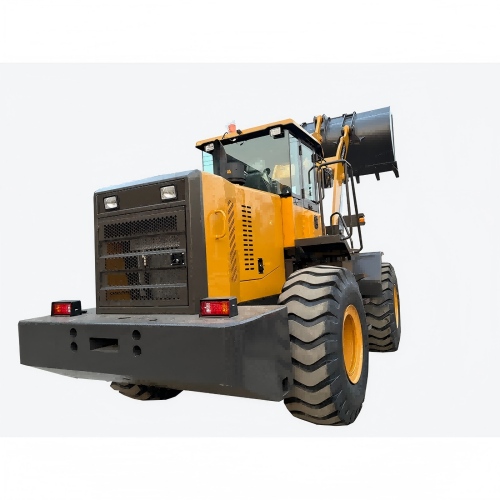
Reasonable engine load reduction avoids overload operation damage in high-altitude areas. Natural power drop becomes inevitable for mechanical equipment working in thin-air environments. Long-term full-load operation exceeds adaptive capacity of engine combustion systems and causes continuous overheating. Appropriate load reduction lowers engine operating burden and matches actual power output under low-pressure conditions. Gradual load lifting modes avoid instantaneous power surge and combustion overload. Scientific load control prevents engine stalling, carbon accumulation and power system fatigue in whole-day plateau construction.
Specialized low-temperature and low-pressure resistant oil products improve equipment adaptation performance. Conventional engine oil and hydraulic oil face fluidity decline and performance degradation under high-altitude low-temperature and low-pressure conditions. Poor oil fluidity increases mechanical friction resistance and weakens hydraulic transmission efficiency. Replacement of plateau-specific low-viscosity oil products ensures stable lubrication and hydraulic activity in extreme environments. Regular oil quality detection and timed replacement eliminate performance attenuation caused by long-term low-pressure operation. High-quality oil mediums protect core mechanical components and reduce wear loss in high-altitude working environments.
Enhanced heat dissipation maintenance solves high-altitude heat dissipation paradox. Low atmospheric pressure reduces air heat conduction efficiency despite low ambient temperature in plateau regions. Sufficient air flow fails to form inside engine compartments, leading to accumulated internal heat and local overheating. Regular cleaning of radiator surfaces, heat dissipation nets and cooling pipelines removes dust and dirt barriers. Inspection and debugging of cooling fans ensure full-speed operation and effective air convection. Strengthened heat dissipation management avoids engine overheating and hydraulic oil aging during continuous plateau construction.
Improved startup and warm-up procedures adapt to high-altitude low-pressure ignition conditions. Thin air and low temperature increase ignition difficulty and prolong engine cold start time. Random rapid startup causes repeated combustion failure and excessive carbon deposition inside cylinders. Extended standardized warm-up time stabilizes engine operating temperature and activates oil fluidity before formal construction. Slow throttle adjustment during warm-up stages avoids unstable combustion and power jitter. Scientific startup norms reduce cold-start faults and stabilize initial operating state of equipment in plateau regions.
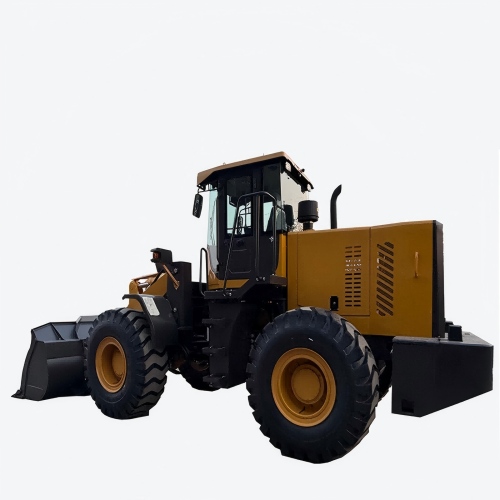
Brake system inspection and adjustment guarantee traveling safety in high-altitude areas. Low atmospheric pressure affects brake hydraulic transmission efficiency and reduces braking sensitivity. Long-term operation without parameter adjustment leads to delayed braking response and increased construction risks. Regular detection of brake oil pressure and pipeline tightness eliminates pressure loss caused by air pressure difference. Timely replacement of aging brake oil maintains stable braking performance and accurate response speed. Systematic brake optimization eliminates potential safety hazards for frequent traveling and shoveling operations in plateau construction sites.
Wind resistance adaptation operation reduces mechanical jitter and working deviation. High-altitude areas feature frequent strong cross winds which affect equipment traveling stability and shoveling accuracy. Unadjusted operation postures cause body jitter, material scattering and unbalanced stress bearing. Low-speed traveling and stable body posture control resist wind force impact during equipment movement. Slight adjustment of bucket angle offsets wind interference and ensures complete material filling. Wind-adaptive operation modes maintain construction accuracy and working stability in windy plateau environments.
Intermittent equipment rest reduces cumulative fatigue in high-altitude low-pressure operation. Continuous long-hour operation under low-pressure conditions accelerates component aging and power system fatigue. Uninterrupted working causes gradual performance attenuation and increased fault probability. Reasonable rest intervals allow engine systems to dissipate accumulated heat and stabilize internal pressure balance. Mechanical stress release during shutdown periods restores initial working performance and reduces failure risks. Balanced working and resting modes extend continuous operation cycle of equipment in plateau construction projects.
Regular equipment sealing inspection prevents high-altitude air leakage and oil leakage. Obvious air pressure difference between internal equipment cavities and external plateau environments easily causes air infiltration and oil seepage. Loose sealing gaskets and aging rubber parts expand leakage risks under long-term pressure difference impact. Comprehensive inspection of engine intake pipelines, hydraulic joints and fuel tank seals ensures complete tightness. Timely replacement of aging sealing accessories eliminates pressure leakage and medium loss. Complete sealing maintenance maintains stable internal pressure environment for mechanical systems in low-pressure plateau areas.
Systematic high-altitude adaptation management stabilizes long-term construction efficiency. Integration of air intake optimization, hydraulic calibration, oil product upgrading and standardized operation forms full-range plateau adaptation mechanisms. Targeted skill adjustment offsets adverse impacts of low pressure, thin air and low temperature on mechanical performance. Effective environmental adaptation reduces equipment failure rate and maintenance costs for high-altitude engineering construction. Scientific plateau construction skills maximize working efficiency and service value of loading machinery in special high-altitude working scenarios.