High-Frequency Loading and Unloading Operation Skills for Large Wheel Loaders
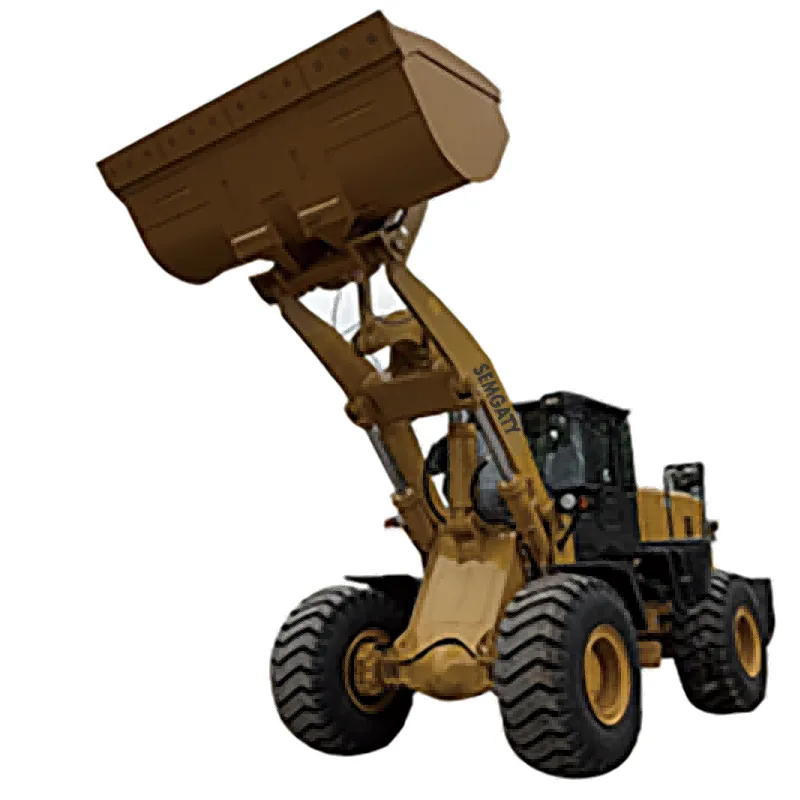
Complex bulk material handling projects including sand yard stacking, quarry ore transfer and bulk cargo loading demand continuous high-cycle loading work every single working day. Improper operation skills bring frequent equipment wear, low working efficiency and extra fuel consumption amid repeated shoveling and dumping movements. Mastery of standardized high-frequency operation skills lifts site output and extends overall service cycle of loading equipment.
Loader equipped with mature operating skills completes dense material transfer tasks with stable mechanical performance. Refined operation specifications promote long-term cost control and efficient production of industrial
Loader in busy bulk handling yards.
Scientific bucket digging angle adjustment ranks as core skill for continuous high-frequency loading tasks. Different raw materials such as loose sand, hard rubble and blocky ore require matched bucket insertion inclination during initial contact. Reasonable front cutting edge tilt reduces digging resistance and cuts repeated secondary shoveling actions for incomplete bucket filling. Smooth one-step material intake lowers engine load fluctuation and avoids unnecessary idle stroke amid cyclic operation. Optimized digging parameters improve daily processing capacity and cut component abrasion for standard
wheel loader machine under round-the-clock loading schedules. Accurate angle control maintains consistent working efficiency of commercial
wheel loader machine facing uninterrupted bulk material transportation demands.
Coordinated hand-foot linkage operation shortens single loading cycle and optimizes high-frequency construction rhythm. Synchronized manipulation of boom control lever, bucket pull rod and traveling accelerator eliminates disjointed action gaps during shoveling, lifting and dumping links. Well-trained operators finish full material loading and discharge within compact time frame without redundant mechanical movement. Compact action flow reduces idle travel distance and lessens impact wear on hinge components and hydraulic cylinders. Harmonized operating gestures boost hourly construction output and reduce fatigue loss of heavy-duty big wheel loader in long-duration intensive loading work. Mature linkage operation stabilizes continuous production efficiency of large-size big wheel loader under high-density cyclic material handling conditions.
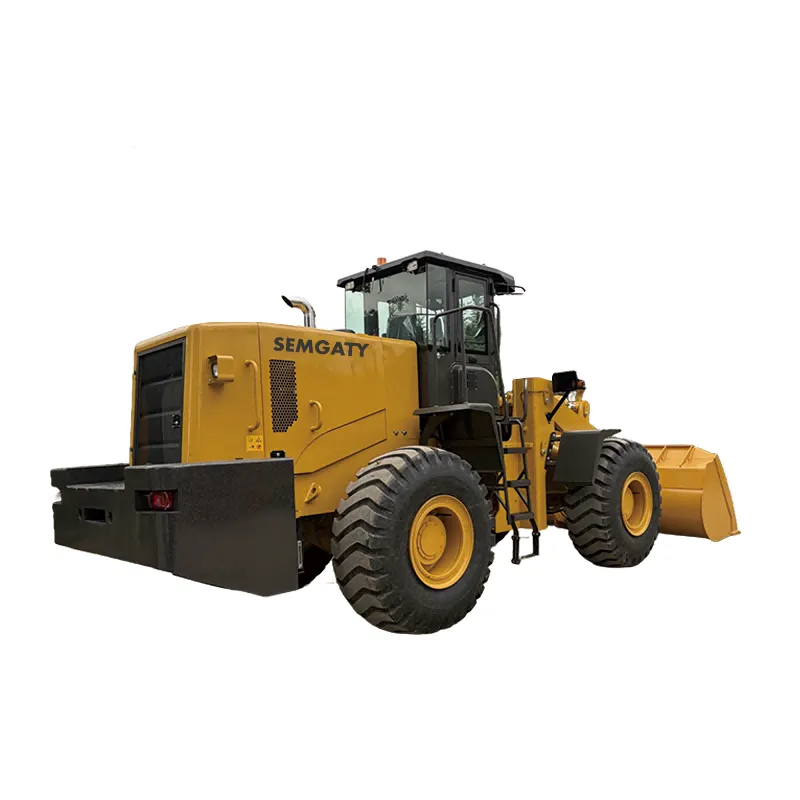
Reasonable stockpile layout planning cuts invalid moving distance during repeated loading cycles. Concentrated raw material stacking near unloading waiting areas shortens forward and backward traveling paths between stockpiles and receiving vehicles. Pre-divided independent operation zones avoid cross path blocking from multiple construction machines working in same field. Centralized material storage lowers frequent position shifting and reduces extra fuel loss from scattered site traveling. Well-planned field arrangement directly improves overall turnover efficiency for long-term high-frequency loading construction.
Graded load control avoids overload damage in continuous high-intensity shoveling processes. Strict compliance with rated bucket loading capacity prevents overfilled material from triggering excessive front axle load and hydraulic system overpressure. Moderate material reserve inside buckets keeps equipment gravity center within safe range during lifting and traveling. Appropriate load value reduces frame fatigue deformation and seals abrasion caused by long-term overweight operation. Stepwise load adjustment adapts to varied material density and guarantees stable mechanical state for whole-day cyclic loading tasks.
Optimized vehicle docking skills shorten waiting time during continuous truck loading procedures. Slow low-speed approaching keeps safe gap between bucket and carriage edge to avoid rigid collision damage. Precise boom height calibration matches carriage side height and prevents material spillage outside container range during dumping. Steady lateral position adjustment eliminates repeated forward and backward fine-tuning before discharge work. Accurate docking operation accelerates vehicle replacement speed and lifts overall site daily loading throughput greatly.
Intermittent equipment rest arrangement relieves accumulated mechanical fatigue amid nonstop high-frequency operation. Short pause intervals after fixed working hour span allow engine and hydraulic assemblies to complete natural heat dissipation and internal stress release. Scheduled temporary shutdown avoids continuous high-temperature operation leading to hydraulic oil thinning and power attenuation. Scientific work-rest balance lowers sudden fault probability and maintains consistent working performance for long-hour intensive loading schedules.
Regular pre-shift inspection of vulnerable parts eliminates unexpected halt amid peak loading periods. Full check covering bucket teeth, pin bushings, hydraulic seals and filter elements finds early wear signs before formal construction launch. Timely replacement of severely worn accessories prevents mid-operation component fracture and forced construction suspension. Complete pre-work maintenance safeguards uninterrupted high-cycle loading progress and reduces unexpected production loss on busy construction sites.
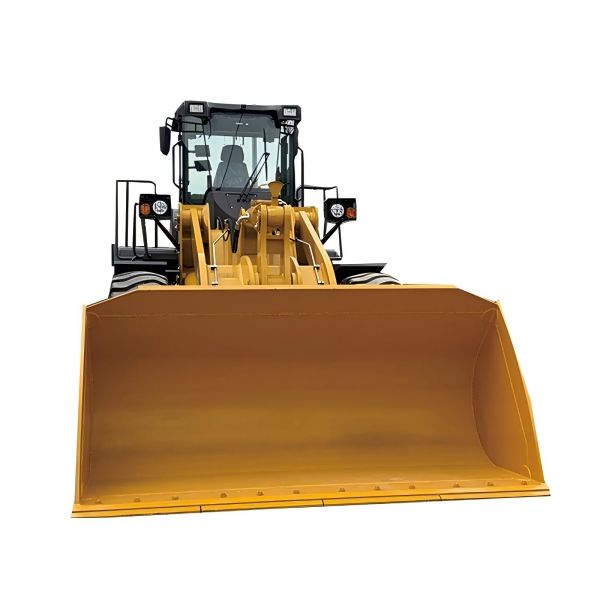
Uniform ground cleaning around working area keeps smooth traveling condition for frequent shuttling movements. Timely clearance of scattered bulk residues removes bump obstacles and deep pit formation near loading zones. Flat solid ground surface cuts tire sinking risk and reduces extra engine load from overcoming uneven terrain resistance. Continuous site tidiness stabilizes traveling speed and shortens single loading period for whole cyclic operation flow.
Targeted hydraulic action control reduces pressure surge loss during repeated boom lifting and bucket turnover. Slow progressive pressurization of hydraulic systems avoids instantaneous sharp pressure peak impacting internal seals and pipeline joints. Gentle flow adjustment stabilizes component stress state and slows aging speed of precision hydraulic parts under frequent cyclic actions. Mild hydraulic operation mode effectively cuts leakage hidden dangers caused by long-term high-frequency pressure impact.
Skill accumulation and periodic operation optimization further lift long-term high-frequency loading efficiency. Operators summarize site-specific material features and ground conditions after daily construction to amend improper working gestures. Gradual improvement of personal operation details reduces invisible fuel waste and unnecessary mechanical abrasion day by day. Continuous skill upgrade helps loading fleets realize stable high-output production and lower comprehensive running costs year round.