High-temperature Operation Protection Methods for Engineering Loaders
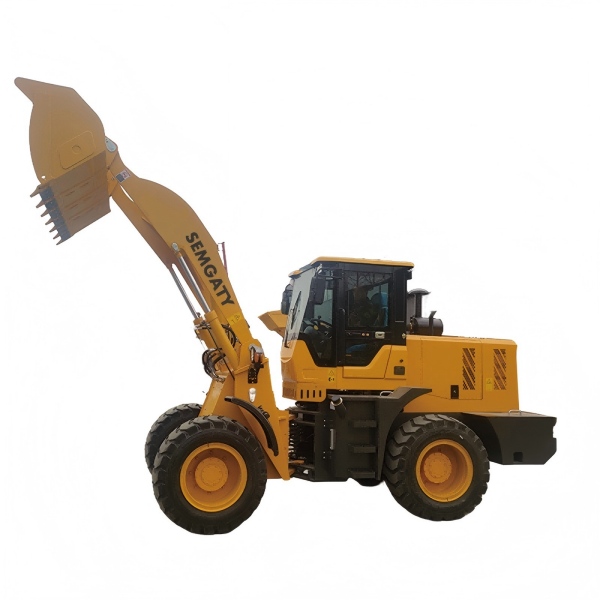
Outdoor engineering construction in summer and high-temperature environments brings severe heat radiation and continuous temperature rise for loading machinery. Long-duration high-heat operation easily causes system overheating, power attenuation and accelerated component aging. Unreasonable protection measures and unadjusted operation modes increase equipment failure rate and shorten service life. Scientific high-temperature protection schemes maintain stable mechanical performance and reduce summer operational risks.
Loader equipped with complete heat dissipation protection systems keeps efficient working states in scorching construction environments. Standard high-temperature maintenance rules optimize long-term working stability of professional engineering
Loader.
Regular heat dissipation system cleaning forms the core protection measure for high-temperature construction. Dust, mud and fine gravel gradually accumulate on water tank surfaces, heat dissipation nets and cooling pipelines during field operation. Thick dirt layers block air circulation and weaken heat exchange efficiency of cooling systems. Continuous heat accumulation raises overall working temperature of engines and hydraulic structures. Timely manual cleaning of heat dissipation components removes surface attachments and unblocks cooling channels. Sufficient heat exchange capacity avoids overheating shutdown and power attenuation for commercial wheel loader machine in summer high-load tasks. Routine heat dissipation maintenance guarantees stable thermal management of standard wheel loader machine under long-duration high-temperature conditions.
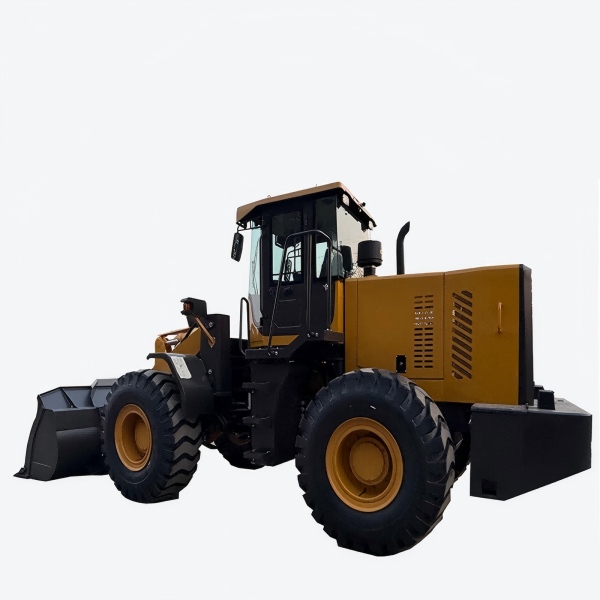
Optimized operation rhythm reduces continuous heat accumulation of heavy-duty machinery. Sustained non-stop loading work generates massive friction heat and operating heat inside mechanical structures. High external temperature superimposes internal heat accumulation to trigger rapid temperature surge. Reasonable intermittent rest arrangements allow natural heat dissipation and mechanical stress relief. Short shutdown intervals reduce continuous load pressure on engines and hydraulic systems. Balanced working and resting modes effectively control temperature growth and avoid overheating faults. Scientific operation adjustment protects structural stability of heavy-duty
big wheel loader in hot construction seasons. Reasonable heat management strategies prevent performance degradation of large-scale
big wheel loader under high-temperature working environments.
Standard cooling liquid maintenance ensures reliable temperature control of engine systems. Cooling liquid serves as key medium for engine heat circulation and temperature regulation. Long-term operation causes liquid evaporation, impurity mixing and performance attenuation. Insufficient cooling liquid or deteriorated fluid quality reduces heat transfer efficiency and leads to engine overheating. Regular inspection of liquid level and quality supports timely replenishment and complete replacement. Selection of high-temperature resistant cooling fluid adapts to extreme summer ambient temperatures. Strict cooling system maintenance eliminates hidden overheating dangers in continuous high-intensity construction.
Hydraulic system temperature control prevents high-temperature performance attenuation. High external heat and frequent hydraulic operation raise internal oil temperature rapidly. Overheated hydraulic oil reduces viscosity and lubrication performance, triggering increased component friction and system wear. Thermal expansion of internal pipelines and sealing parts accelerates aging speed. Regular detection of hydraulic oil temperature and timely shutdown cooling avoid ultra-high temperature operation. Replacement of high-temperature resistant hydraulic oil enhances thermal stability of whole hydraulic systems. Professional hydraulic heat protection maintains stable power output and sealing performance in hot weather.
Engine compartment cleaning and ventilation optimization improve natural heat dissipation efficiency. Dense dust, fallen leaves and accumulated sundries block compartment ventilation gaps and hinder hot air discharge. Stagnant hot air inside confined spaces raises ambient temperature of core components. Regular compartment cleaning removes all blocking substances and expands ventilation channels. Inspection and maintenance of cooling fans ensure stable rotating speed and effective air convection. Smooth ventilation environments accelerate hot air discharge and reduce overall thermal load of mechanical systems.
Reasonable load reduction relieves thermal pressure of high-temperature operation. Excessive load operation increases engine fuel injection volume and combustion intensity. Enhanced power output generates extra heat and aggravates thermal load of whole equipment. High-temperature environments weaken heat dissipation efficiency and accelerate heat accumulation. Appropriate load adjustment reduces engine operating intensity and heat generation volume. Moderate working load maintains balanced temperature state and avoids rapid overheating. Load optimization effectively reduces failure probability of power and transmission systems in hot weather.
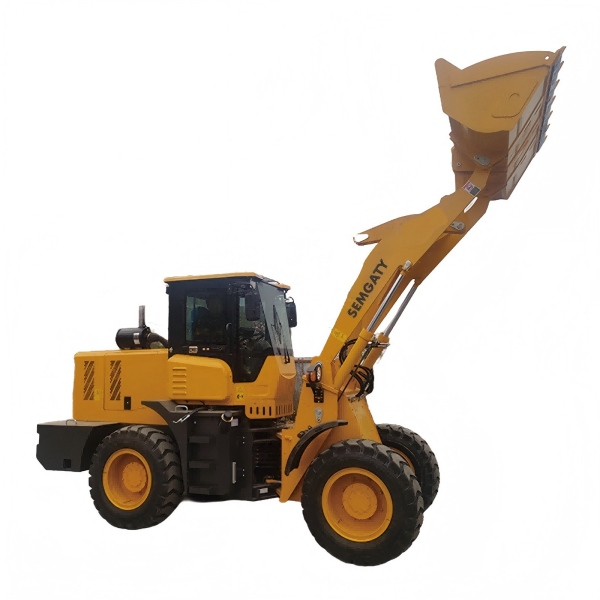
Tire and chassis protection prevents high-temperature running damage. Long-time traveling and friction on scorching ground raise tire internal temperature sharply. High tire temperature increases air pressure and raises burst risks. Chassis components continuously contact hot ground and absorb external heat. Regular tire pressure detection and temperature observation avoid overinflation and thermal damage. Timely cleaning of chassis sundries reduces heat accumulation and ensures normal heat radiation. Chassis heat protection maintains stable walking performance and structural safety in high-temperature scenarios.
Seasonal oil product replacement adapts to high-temperature working demands. Ordinary engine oil and hydraulic oil face performance decline under long-term high-temperature conditions. Reduced oil viscosity causes insufficient lubrication and increased metal friction. High-quality summer-specific oil products retain stable viscosity and lubricating performance under thermal environments. Scientific oil selection reduces component wear and heat generation caused by poor lubrication. Seasonal oil replacement forms effective auxiliary protection for high-temperature equipment operation.
Cab and electrical system protection avoids high-temperature aging faults. Long-term solar irradiation and high ambient temperature accelerate aging of electrical circuits, control panels and rubber parts. Aging electrical components easily trigger poor contact and circuit faults. Regular inspection of line aging degree and protective sleeve integrity reduces electrical failure risks. Sunshade equipment installation weakens direct solar irradiation and lowers internal cab temperature. Electrical system maintenance guarantees stable control performance in extreme heat environments.
Pre-operation temperature inspection eliminates hidden high-temperature risks. Daily startup detection covers cooling system status, oil product quality, fan operation and pipeline ventilation. Comprehensive pre-work check ensures all heat dissipation structures work in optimal states. Early troubleshooting of potential faults avoids temperature surge during formal operation. Standard pre-operation inspection mechanisms greatly reduce overheating failure frequency in summer construction periods.
Complete high-temperature protection system stabilizes long-term summer construction efficiency. Integration of heat dissipation cleaning, operation adjustment, oil product optimization and daily inspection forms full-range equipment protection. Effective temperature control reduces component aging speed and sudden failure losses. Stable equipment operation ensures continuous construction progress and lowers seasonal maintenance costs. Scientific high-temperature protection methods maximize working efficiency and service life of all engineering loading machinery.