

Growing Importance of Diesel Operated Forklift Equipment
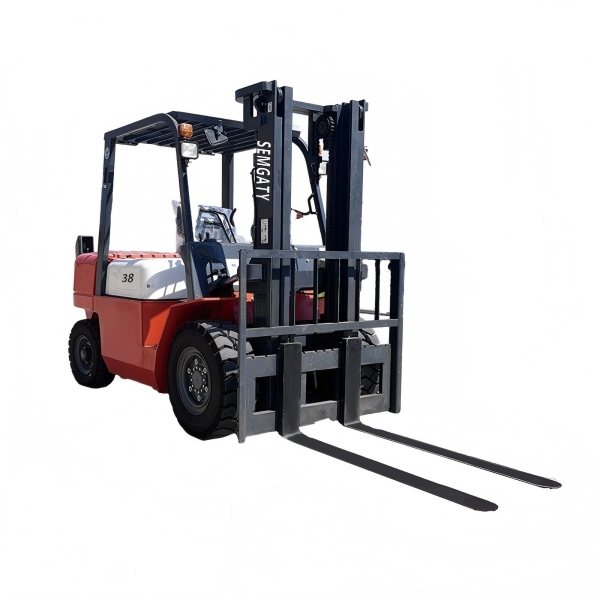
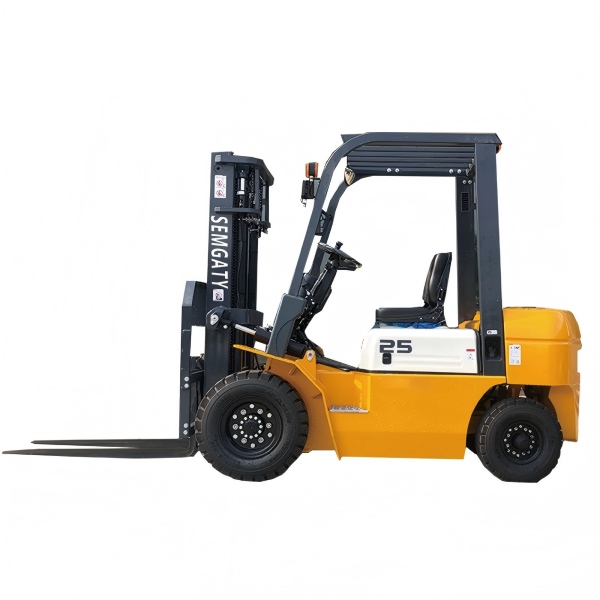
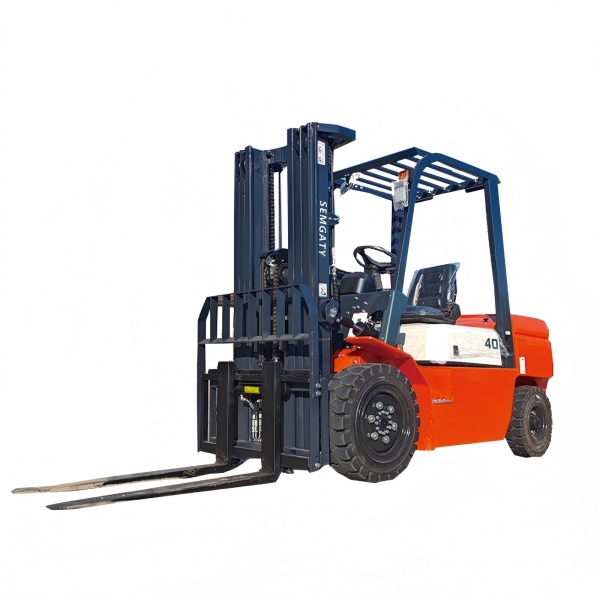
With the rapid expansion of global logistics, manufacturing, and warehouse industries, machinery such as diesel operated forklift, diesel fork truck, and compact forklift equipment has become essential for modern material handling operations. Industrial facilities, ports, construction sites, and logistics centers rely heavily on diesel operated forklift equipment to move heavy cargo efficiently.
A diesel fork truck offers strong power output and high durability, allowing operators to transport heavy goods in demanding working environments. Many companies prefer compact forklift machines for flexible movement in limited spaces while maintaining high lifting capacity.
Because of reliable performance and powerful engines, diesel operated forklift equipment continues to play an important role in global material handling systems.
Understanding the Power Source of Diesel Operated Forklift EquipmentThe main power source of a diesel operated forklift comes from the diesel engine operating cycle. A typical diesel fork truck engine follows four major working stages: intake, compression, combustion, and exhaust.
During the intake stage, the diesel engine of a diesel operated forklift draws clean air into the combustion chamber. Air intake provides the necessary oxygen required for fuel combustion inside the engine of a diesel fork truck.
In the compression stage, the piston moves upward inside the cylinder, compressing the air to extremely high pressure and temperature. High-pressure air inside the diesel operated forklift engine creates ideal conditions for fuel ignition.
Such compression technology allows the diesel fork truck engine to produce strong energy output during the next combustion stage.
Combustion Process in Diesel Fork Truck Engines
Near the end of the compression stage, the fuel injection system sprays atomized diesel fuel into the high-temperature air inside the engine cylinder. The diesel fuel inside the diesel operated forklift engine mixes rapidly with compressed air.
The fuel-air mixture ignites instantly, generating a powerful combustion force. The combustion force pushes the piston downward inside the engine of the diesel fork truck, producing strong mechanical energy.
The rapid expansion of combustion gases provides continuous power for the diesel operated forklift engine. Efficient combustion ensures that the diesel fork truck machine can deliver stable performance under heavy workloads.
Because of strong torque output and fuel efficiency, many logistics companies and construction contractors prefer compact forklift machines powered by diesel engines.
Mechanical Energy Conversion in Diesel Operated Forklift Engines
The downward motion of the piston inside the diesel operated forklift engine creates linear movement inside the cylinder. The crankshaft and connecting rod mechanism inside the diesel fork truck engine converts linear piston movement into rotational motion.
Rotational motion generated by the crankshaft becomes the primary power source that drives the entire diesel operated forklift machine. Mechanical energy produced by the diesel fork truck engine is transferred through the transmission system.
Transmission components distribute engine power to the drive wheels of the diesel operated forklift equipment. Such mechanical conversion allows the compact forklift machine to move smoothly across warehouses, construction sites, and logistics facilities.
Strong mechanical design ensures that diesel fork truck equipment can operate efficiently even under continuous heavy-duty workloads.
Hydraulic System Support for Compact Forklift Operations
In addition to driving the wheels, engine power from a diesel operated forklift is also transferred to the hydraulic system. Hydraulic systems are essential for lifting, tilting, and transporting loads.
A typical diesel fork truck hydraulic system consists of hydraulic pumps, oil cylinders, control valves, and hydraulic pipelines. The hydraulic pump uses engine power generated by the diesel operated forklift engine to produce hydraulic pressure.
Hydraulic pressure enables the compact forklift machine to lift heavy pallets and cargo efficiently. The hydraulic cylinder controls the vertical lifting movement of the forks installed on the diesel fork truck.
Hydraulic systems also allow precise tilting and positioning of cargo. Such precise control enables the diesel operated forklift machine to safely transport materials in warehouses and industrial facilities.
Advantages of Diesel Operated Forklift Power Systems
The power system of a diesel operated forklift offers several advantages compared with other types of industrial forklifts. High torque output allows a diesel fork truck to handle extremely heavy loads.
Durability is another key advantage of diesel operated forklift equipment. Diesel engines are designed for continuous heavy-duty operation, making diesel fork truck machines suitable for construction sites, ports, and outdoor logistics operations.
Fuel efficiency also contributes to the popularity of compact forklift machines powered by diesel engines. Diesel fuel contains high energy density, allowing diesel operated forklift equipment to operate for extended periods without frequent refueling.
Strong performance and reliability make the diesel fork truck a preferred solution for demanding material handling tasks.
Wide Industrial Applications of Diesel Fork Truck Equipment
Industrial sectors worldwide rely on diesel operated forklift equipment for a wide range of applications. Warehouses use diesel fork truck machines to load and unload cargo quickly and efficiently.
Construction sites often require a compact forklift machine to transport building materials such as steel structures, cement pallets, and heavy equipment components. Strong lifting capability allows the diesel operated forklift to handle demanding tasks in construction environments.
Ports and logistics terminals also depend heavily on diesel fork truck equipment for container handling and bulk cargo transportation. High mobility and powerful lifting capacity make compact forklift machines ideal for busy cargo terminals.
Such wide industrial applications ensure continuous demand for diesel operated forklift equipment in global markets.
Future Development of Diesel Operated Forklift Technology
Technological innovation continues to improve the efficiency and reliability of diesel operated forklift equipment. Many manufacturers are developing advanced engines with improved fuel efficiency and reduced emissions.
Modern diesel fork truck machines often integrate intelligent control systems that monitor engine performance, fuel consumption, and hydraulic system efficiency. Smart technology allows operators to maintain optimal working conditions for compact forklift equipment.
As global logistics and manufacturing industries continue to expand, demand for powerful and reliable diesel operated forklift, diesel fork truck, and compact forklift equipment will remain strong.
Understanding the power system and working principle of diesel operated forklift machinery helps industrial companies choose the right equipment and improve operational efficiency in modern material handling environments.