How Overseas Engineering Contractors Select Suitable Backhoe Loaders for Actual Working Conditions
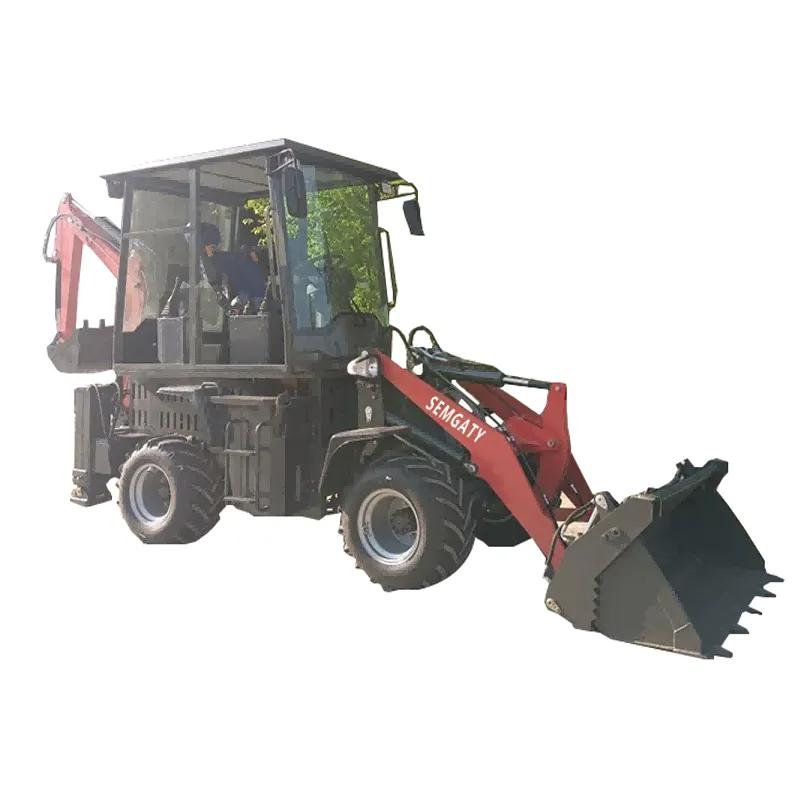
Overseas engineering businesses cover municipal construction, rural infrastructure upgrading, road renovation and remote field development across diversified global regions. Various project environments deliver distinct operational challenges and put forward differentiated requirements for construction machinery performance, structural design and environmental adaptability. Correct equipment selection effectively improves construction efficiency, lowers mechanical failure frequency and controls long-term operational costs for overseas engineering teams. Reasonable procurement decisions also help contractors avoid configuration mismatch and strengthen competitive advantages in international engineering markets.
backhoe machine with targeted working condition adaptation serves as reliable multi-functional equipment for medium and small-scale overseas construction projects. Professional model screening and personalized configuration optimization fully release operational potential and extend overall service life of customized
backhoe machine in complex global working scenarios.
Adequate working condition analysis lays solid foundation for scientific equipment selection. Overseas construction sites feature diverse terrain conditions, soil characteristics, climate environments and construction intensities. Urban municipal projects focus on flexible movement, precise operation and compact adaptability for narrow construction spaces. Rural infrastructure tasks require strong trafficability, wear resistance and multi-function switching capacity. Mountainous, muddy and high-altitude sites demand stable power output, anti-slip performance and extreme climate adaptability. Engineering teams need to sort out core construction indicators including digging depth, loading capacity and continuous working cycle before confirming equipment models. Clear demand positioning prevents blind procurement and ensures full matching between machinery parameters and actual project requirements.
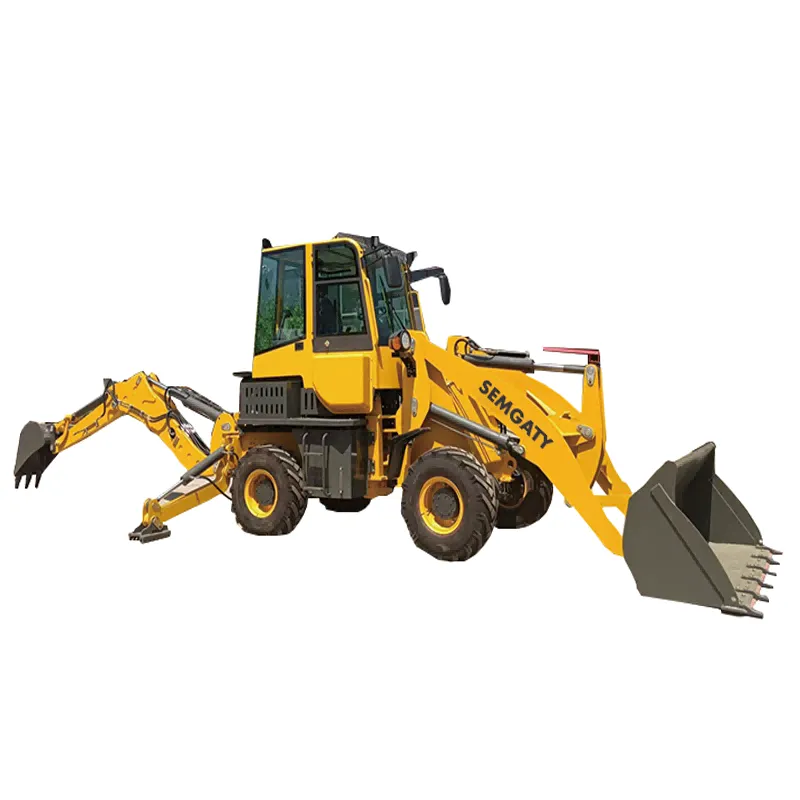
Accurate performance parameter matching guarantees reliable field adaptation for overseas projects. Core evaluation parameters include engine power reserve, hydraulic response efficiency, maximum digging depth and stable traveling performance. Light-duty municipal maintenance projects adapt to standard power configurations to maintain economical fuel consumption and reduce daily operation costs. Heavy-duty earthwork and long-hour continuous construction require upgraded power systems and enhanced hydraulic structures to sustain stable high-intensity operation. Scientific parameter matching eliminates insufficient power output under heavy loads and unnecessary performance waste for light tasks. Optimized parameter calibration and structural upgrading greatly improve field adaptability of newly launched
new backhoe for refined overseas engineering tasks. Flexible performance adjustment systems enable stable and high-efficiency operation of upgraded
new backhoe in constantly changing global construction environments.
Terrain-adaptive configurations solve common site restrictions in complex overseas areas. Many overseas construction projects involve rugged roads, soft muddy ground, uneven foundations and narrow working zones. Ordinary standard configurations lack targeted terrain optimization and easily cause slipping, sinking and unstable operation. Widened wheel structures, increased ground clearance and deep-groove anti-slip tires effectively enhance ground adhesion and field trafficability. Reinforced chassis and anti-rollover frameworks improve operational safety on inclined and undulating terrains. Compact body designs adapt to narrow working spaces in urban renewal and dense rural construction areas. Targeted terrain-oriented upgrades break traditional site limitations and expand applicable scenarios for engineering machinery used by global contractors.
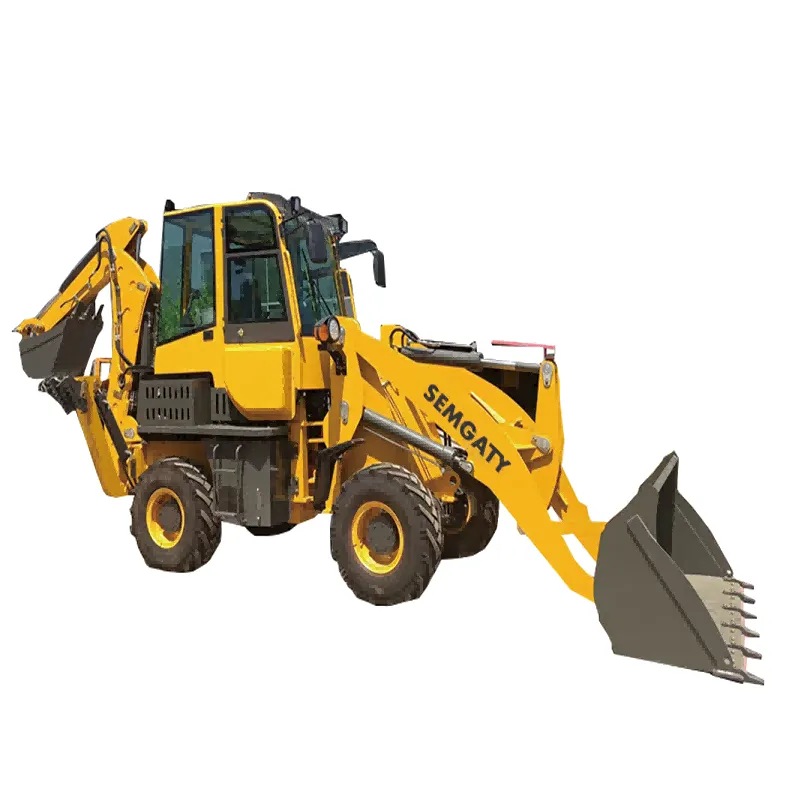
Climate adaptive designs reduce environmental-induced faults and component aging. Global overseas regions carry diverse extreme climate features including low-temperature cold, high humidity, heavy rainfall, sandstorms and high-altitude thin air. Conventional machinery faces startup difficulties, hydraulic system stalling and accelerated wear under harsh climatic conditions. Low-temperature resistant oil circuits and preheating structures guarantee stable startup and smooth fluid circulation in frigid regions. Enhanced heat dissipation systems and multi-layer dustproof sealing structures adapt to high-temperature and dusty tropical environments. Professional waterproof and anti-corrosion treatments protect core components in coastal and rainy areas. Environmentally optimized configurations maintain consistent working stability and reduce repeated maintenance work for long-cycle overseas projects.
Modular accessory matching improves equipment utilization for multi-scene construction tasks. Most overseas engineering contractors undertake mixed work including digging, loading, ground leveling, material grabbing and road cleaning. Single standard bucket configurations limit functional diversity and increase reliance on additional mechanical equipment. Diversified modular attachments such as hydraulic grapples, snow pushers and thickened digging buckets support rapid on-site function switching. Quick-disassembly structures shorten accessory replacement time and ensure continuous construction progress. Multi-functional matching schemes reduce extra procurement costs and simplify field equipment scheduling. Flexible function expansion allows
front loader and backhoe units to complete multiple construction tasks independently for comprehensive overseas projects. Rich accessory compatibility and scalable functions strengthen market competitiveness of classic
front loader and backhoe in global machinery procurement markets.
Structural durability and energy-saving performance determine long-term project economic benefits. Long-cycle overseas engineering projects require equipment to sustain high-intensity continuous operation with limited local maintenance resources. High-strength steel materials, thickened working devices and precise welding processes resist long-term impact friction and structural deformation. Strict factory quality inspection removes hidden structural defects before equipment delivery. Anti-fatigue structural design adapts to frequent load switching and ensures stable long-term operation. Advanced energy-saving engine technology and low-loss hydraulic systems reduce unit fuel consumption and avoid energy waste. Compliant emission configurations meet local environmental standards and prevent policy-related operational restrictions, bringing stable cost advantages for overseas engineering projects.
Maintenance convenience, safety configurations and after-sales support further optimize equipment application value. Remote overseas construction sites usually lack complete local maintenance systems and spare part supply channels. Simplified structural layouts and universal vulnerable parts lower daily maintenance difficulty and shorten equipment downtime. Standard safety configurations including rollover protection frames and panoramic monitoring systems eliminate common on-site safety hazards and meet international construction norms. Reliable brand after-sales teams provide remote technical guidance, on-site fault repair and professional training services. Localized service stations respond rapidly to equipment failures and ensure long-term stable operation. Comprehensive evaluation of quality, safety and service helps overseas contractors select cost-effective equipment and maximize project investment returns in global engineering markets.