How to Avoid Low-configured Refurbished Loader Procurement Traps
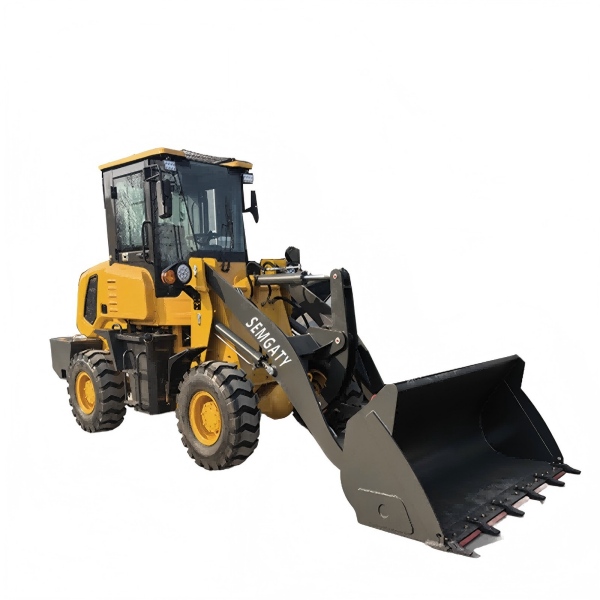
Construction machinery procurement faces complex market environments with mixed equipment quality and uneven product configuration. A large number of low-configured refurbished loaders flow into second-hand and new low-end markets, disguised as standard and high-quality equipment to mislead purchasing personnel. Unreasonable procurement decisions bring frequent faults, low operation efficiency and high maintenance costs for engineering projects. Professional identification methods and screening strategies effectively avoid procurement traps for
small articulating loader and other mainstream loader models.
Low-configured refurbished loaders refer to equipment assembled with eliminated accessories, reduced core configurations and repaired old parts. Unscrupulous merchants polish vehicle appearance, modify parameter labels and cover up component aging problems to sell unqualified equipment at standard prices. Such equipment hides serious performance defects and safety hazards, unable to meet long-term high-frequency construction needs. Systematic inspection standards help enterprises distinguish genuine high-quality products from refurbished defective products.
Core parameter configuration verification serves as the first barrier against procurement traps. Many refurbished loaders adopt downgraded engines, simplified hydraulic systems and reduced structural accessories. Nominal parameter labels undergo artificial modification to match standard model data. Purchasers need to check factory original configuration files and core component model codes one by one to confirm matching degree of actual configurations. Strict parameter inspection avoids low-configured fraud of
small payloader in municipal and small engineering procurement scenarios.
Engine component inspection eliminates hidden dangers of power system refurbishment. Refurbished loaders commonly use overhauled old engines or low-power downgraded engines. Observation of engine cylinder surface wear, screw disassembly traces and carbon deposition status reveals equipment operation history. Qualified original engines feature uniform surface paint, complete fastening parts and no trace of secondary maintenance, while refurbished power units show irregular assembly marks and aging accessories.
Hydraulic system detection identifies low configuration and replacement defects. Standard loaders adopt matched original hydraulic pumps, distribution valves and oil cylinder components. Low-configured refurbished equipment assembles miscellaneous brand low-end hydraulic parts or repaired old parts, leading to insufficient working pressure and slow operation response. Professional pressure testing and action debugging verify hydraulic system performance of wheel loader and block unqualified refurbished products.
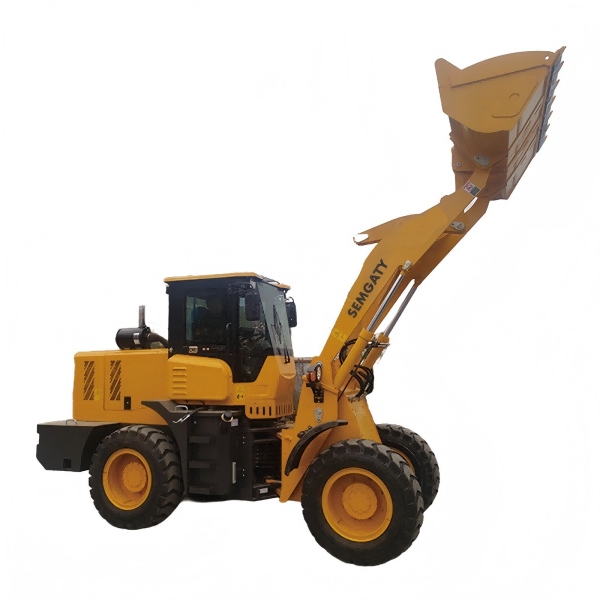
Body structure and welding inspection judge overall refurbishment status. Accident refurbished loaders often have hidden welding repair traces, frame deformation and component distortion. Purchasers need to observe frame connection parts, boom welding points and hinge installation positions. Smooth and uniform welding lines without secondary repair marks represent original factory structure. Uneven welding traces and polished scars indicate later assembly and refurbishment of
small articulating loader and medium-sized equipment.
Production date and component batch verification prevent old stock refurbishment fraud. Low-configured refurbished equipment usually mixes old batch components of different years. Inconsistent production dates of engine, hydraulic parts and body accessories expose non-original assembly attributes. Standard complete machine products keep unified production batch and traceable factory records for all core components.
Tire and walking system inspection screens disguised low-end equipment. Refurbished loaders often match worn refurbished tires and inferior walking parts to reduce production cost. Newly painted tire surfaces and uneven tread wear represent repolished old tires. Original supporting tires have clear factory marks and uniform wear resistance, ensuring long-term stable walking performance of
wheel loader in construction scenarios.
Electronic control system detection avoids intelligent configuration downgrade. Many low-configured refurbished loaders delete original intelligent control modules and safety protection functions to cut costs. Simplified circuit structures and missing monitoring sensors cause insufficient equipment protection performance and poor operation precision. Professional circuit inspection and function testing confirm complete configuration of electronic control systems.
Operation test verification realizes intuitive identification of refurbished equipment. Low-configured refurbished loaders show obvious defects in actual operation processes. Unstable power output, slow hydraulic response, abnormal chassis noise and easy overheating appear during full-load shoveling and lifting tests. Standard qualified equipment runs smoothly with stable power and sensitive actions under rated load working conditions.
Maintenance record and factory warranty inquiry eliminate after-sales hidden traps. Formal equipment has complete factory warranty documents and traceable maintenance records. Refurbished low-configured products lack official warranty support and regular factory maintenance records. Merchants provide only verbal maintenance commitments without valid written guarantees, bringing huge risks for later equipment failure maintenance.
Price judgment logic assists rapid screening of abnormal equipment. Standard market prices form stable fluctuation range for various loader models. Equipment with obviously low selling prices far below market average prices usually hides configuration downgrade and refurbishment problems. Blind pursuit of low procurement costs easily leads to trap falling and subsequent economic losses of
small payloader and engineering supporting equipment.
Brand channel selection avoids informal procurement risks. Official authorized dealers and formal second-hand trading platforms provide guaranteed equipment sources and complete qualification certificates. Individual private transactions and unqualified small trading workshops have irregular equipment sources, unable to guarantee configuration authenticity and product quality. Formal procurement channels provide effective rights protection channels for enterprises.
Professional third-party detection supports accurate quality judgment. Enterprises can invite professional machinery detection institutions to conduct all-round inspection of equipment configuration, component status and performance parameters. Professional detection reports provide objective and credible basis for distinguishing refurbished low-configured loaders, avoiding subjective judgment errors of internal procurement personnel.
Common procurement misunderstandings easily induce trap falling behaviors. Over emphasis on appearance freshness ignores internal component quality and configuration matching; excessive attention to parameter labels neglects actual performance detection; blind trust in low-price preferential policies overlooks hidden refurbishment defects. Correction of wrong purchasing concepts improves overall accuracy of equipment screening.
Long-term operation benefit assessment replaces single price-oriented procurement. Low-cost low-configured refurbished loaders save initial procurement funds but generate higher fuel consumption, frequent maintenance and short service life in later operation. Comprehensive calculation of whole life cycle cost proves high-quality standard equipment possesses better economic benefits and operation stability.
Industry supervision specification and market standardization continuously standardize loader trading environment. Relevant institutions strengthen crackdown on refurbished equipment fraud and configuration downgrade behaviors. Standardized trading processes and qualification filing systems reduce survival space of unqualified low-configured loaders and purify construction machinery procurement market.
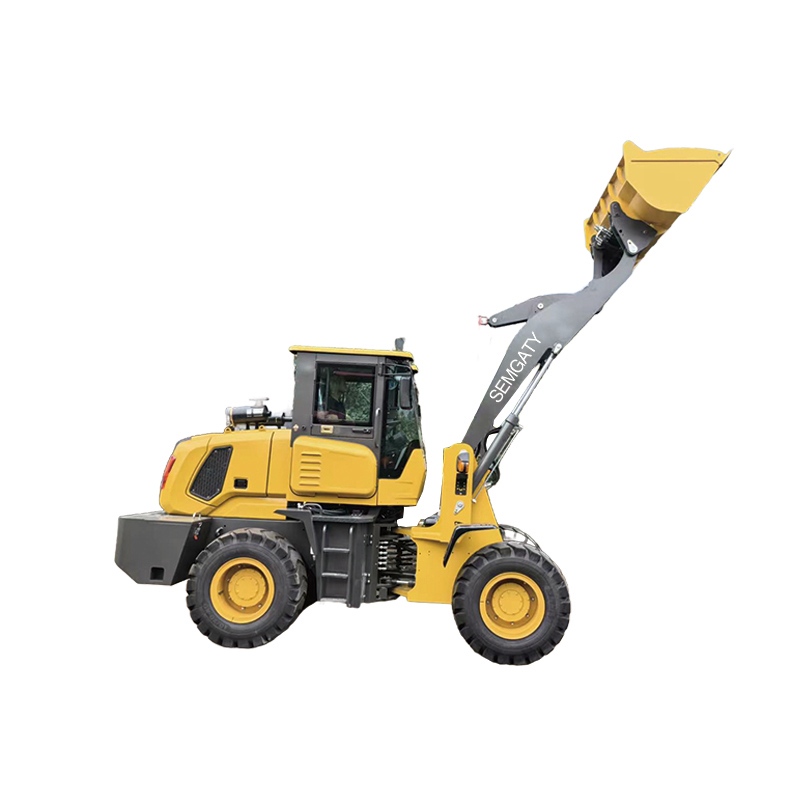
Standardized procurement process management helps enterprises build long-term risk prevention mechanism. Formulation of complete equipment inspection standards, procurement approval processes and post-purchase acceptance specifications standardizes whole-link management of loader procurement. Perfect system construction effectively resists various hidden traps in equipment trading links.
Mastery of low-configured refurbished loader identification skills guarantees project construction quality and operation safety. Scientific screening methods and standardized procurement management avoid economic losses and safety accidents caused by unqualified equipment. High-quality equipment allocation provides solid support for efficient and stable progress of various engineering construction tasks.