How to Avoid Unexpected Downtime Losses of Construction Loader
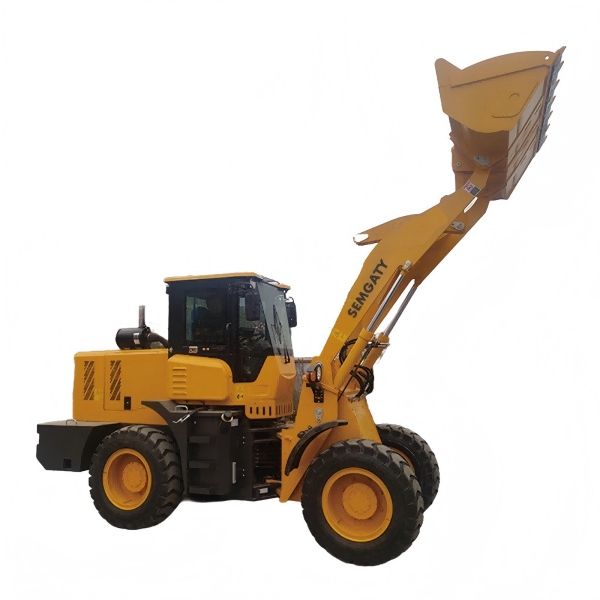
Construction progress and project profit margins rely heavily on continuous and stable operation of loading machinery in engineering scenarios. Unplanned equipment shutdowns bring direct economic losses, delayed project schedules and wasted labor resources. Most sudden downtime incidents stem from neglected daily inspections, non-standard operation and delayed maintenance work. Comprehensive risk prevention and standardized management effectively eliminate unplanned shutdown risks.
Loader with complete anti-shutdown maintenance systems maintains uninterrupted working states in high-intensity construction. Scientific operational management greatly reduces unexpected loss risks of engineering
Loader for construction fleets.
Complete daily pre-operation inspection serves as the primary barrier against sudden equipment shutdowns. Systematic inspection work covers engine operating status, hydraulic pipeline tightness, chassis fixing parts and vulnerable component wear degrees. Staff check oil liquid levels, sealing integrity and mechanical flexibility before every startup. Timely detection of tiny wear, loose bolts and slight oil seepage avoids sudden failure outbreaks during peak working periods. Strict pre-shift inspection mechanisms guarantee continuous working stability of commercial
wheel loader machine on busy construction sites. Detailed daily checks effectively prevent accidental shutdown interruptions for standard
wheel loader machine in long-term cyclic operation.
Standardized load and operation management eliminates shutdowns caused by mechanical overload damage. Many construction sites pursue rapid progress and arrange long-term overloaded shoveling and transportation tasks. Continuous overload operation causes engine overheating, hydraulic system overpressure and structural fatigue damage. Violent operation behaviors including sudden startup and emergency braking trigger instantaneous impact faults and forced equipment shutdowns. Reasonable load distribution and smooth operation modes protect core mechanical structures. Scientific working rule compliance ensures stable continuous operation of heavy-duty
big wheel loader under high-load construction conditions. Regulated working habits avoid sudden fault shutdowns and performance attenuation of large-scale
big wheel loader.
Timely replacement of aging vulnerable parts prevents sudden component failure and equipment stagnation. Bucket teeth, pin shafts, sealing rings and filter elements suffer continuous wear and aging in daily operation. Severe component aging without timely replacement easily causes pipeline blockage, oil leakage and power system failure. Abnormal damage of key accessories directly suspends construction progress and generates massive economic losses. Strict implementation of replacement cycle standards keeps all wearable parts in qualified working states. Regular accessory renewal avoids sudden shutdown incidents induced by failed vulnerable components.
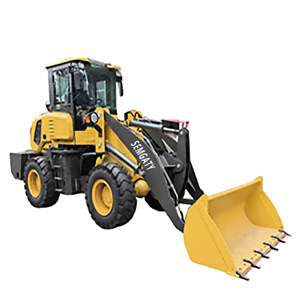
Professional hydraulic system maintenance maintains uninterrupted power output for loading work. Hydraulic systems provide power support for all shoveling, lifting and dumping actions. Accumulated impurities, deteriorated hydraulic oil and loose pipeline joints lead to unbalanced pressure and slow system response. Severe hydraulic system anomalies cause equipment stalling and forced shutdown in mid-operation. Regular oil replacement, pipeline cleaning and sealing inspection stabilize hydraulic transmission efficiency. Systematic hydraulic maintenance eliminates sudden power failure risks in continuous construction processes.
Scientific engine maintenance avoids power system shutdown faults in long-hour operation. Engine faults rank as major causes of unplanned equipment downtime in engineering construction. Blocked air filters, accumulated carbon deposits and contaminated fuel reduce combustion efficiency and power stability. Long-term operation with unprocessed engine problems triggers flameout, overheating and startup failure. Regular cleaning of filter systems, carbon deposit removal and fuel system calibration maintain stable engine power output. Standard engine upkeep prevents sudden flameout and operational stagnation during key construction stages.
Reasonable environmental adaptation maintenance reduces weather-induced shutdown losses. Extreme working environments including high temperature, low temperature and heavy dust bring hidden dangers for equipment continuous operation. High-temperature operation easily causes engine overheating and hydraulic system overpressure shutdowns. Low-temperature environments lead to poor oil fluidity and startup failure. Dusty scenes cause rapid filter blockage and power attenuation. Targeted seasonal maintenance and environment-adaptive adjustment eliminate weather-related fault risks. Environment-oriented maintenance strategies ensure stable operation in complex site conditions.
Regular chassis fastening and lubrication prevent structural failure shutdowns. Long-term mechanical vibration loosens chassis bolts, pin shafts and connecting components. Slight structural looseness gradually expands into abnormal vibration and component dislocation. Serious structural displacement triggers equipment jitter and forced shutdown during operation. Full-scale bolt fastening and hinge point lubrication eliminate loose hidden hazards. Sufficient lubrication reduces metal friction and structural wear to maintain stable mechanical coordination.
Rational equipment rest and heat dissipation arrangement avoids overheating shutdown faults. Continuous non-stop operation leads to heat accumulation inside engines and hydraulic systems. Excessive internal temperature causes system protection mechanisms to start and force equipment shutdown. Proper rest intervals allow full heat dissipation and mechanical stress release. Balanced working and resting modes prevent overheating stagnation and performance attenuation. Scientific operation rhythm maintains long-term continuous working capacity of construction machinery.
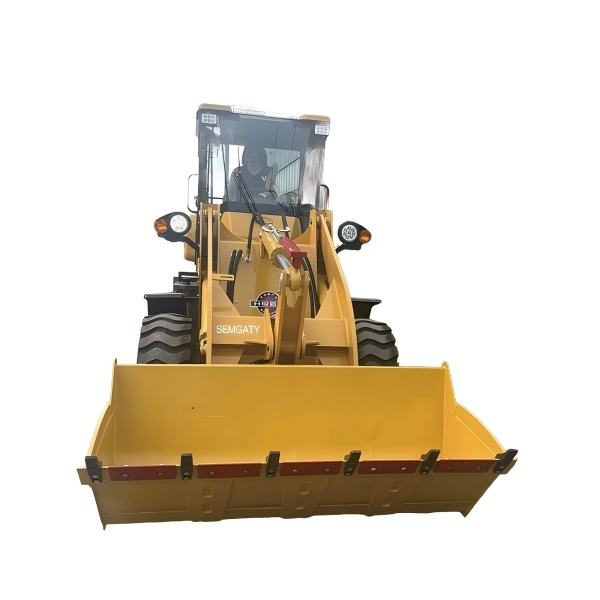
Complete emergency fault response systems reduce shutdown loss range. Minor operational abnormalities including slight noise and slow action serve as early warning signals of major faults. Timely shutdown inspection and troubleshooting avoid fault escalation and long-time stagnation. Professional operator awareness of risk judgment ensures rapid disposal of hidden troubles. Standard emergency handling procedures shorten maintenance time and reduce project progress losses. Effective response mechanisms minimize economic impact of accidental equipment anomalies.
Unified equipment management records optimize long-term risk prevention effects. Detailed files record daily working hours, maintenance time and historical fault data of each device. Data analysis summarizes local wear rules and high-incidence fault points of different working scenarios. Targeted preventive maintenance arrangements eliminate potential shutdown risks in advance. Data-driven management modes improve accuracy of fault prevention and reduce unplanned downtime frequency.
Systematic preventive maintenance modes create stable construction benefits for engineering projects. Integration of daily inspection, standardized operation, regular maintenance and emergency response forms complete risk control systems. Effective avoidance of sudden shutdowns ensures continuous construction progress and stable project output. Reduced downtime losses greatly improve overall economic benefits of engineering fleets. Scientific loss prevention strategies maximize operational efficiency and service value of all loading machinery in long-term construction.