Common Faults of Backhoe Loaders
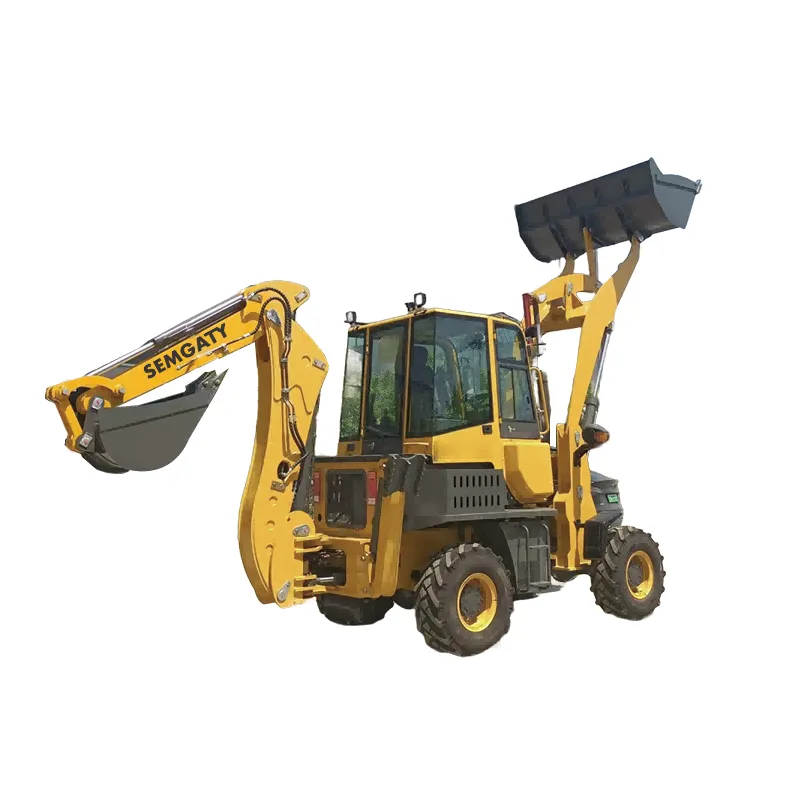
Backhoe loaders are versatile heavy machinery widely used in construction, agriculture, and municipal engineering. These machines combine digging, loading, and lifting functions, making them indispensable in various job sites. However, long-term operation under harsh conditions often leads to various faults, which affect work efficiency and increase maintenance costs. Understanding common faults of
a backhoe loader helps operators and maintenance personnel quickly identify and solve problems, ensuring stable operation.
Hydraulic system failures are the most frequent issues in backhoe loaders, as the hydraulic system is the core power source for digging and lifting actions. One common fault is slow or unresponsive movement of the boom, arm, or bucket. This phenomenon is usually caused by low hydraulic fluid levels or contaminated fluid. Low fluid levels reduce system pressure, while contaminated fluid—mixed with dirt, water, or metal particles—clogs filters and damages valves, leading to sluggish movements.
Another hydraulic system fault is fluid leakage. Leaks often occur at hose connections, seals, or cylinders. Damaged hoses or aging seals cannot maintain system tightness, resulting in hydraulic fluid leakage. This not only reduces system pressure but also causes environmental pollution and increases fluid consumption. Regular inspection of hoses and seals is essential to prevent such faults, especially for
small front end loader with backhoe that operate in narrow spaces with more frequent hose friction.
Engine faults are also critical issues affecting the normal operation of backhoe loaders. Difficulty starting the engine is a common problem, usually caused by insufficient battery power, clogged fuel filters, or faulty spark plugs. Insufficient battery power often results from long-term inactivity or poor charging systems, while clogged fuel filters block fuel supply, making it impossible for the engine to start smoothly.
Engine power loss is another common fault. During operation, if the engine emits excessive smoke and fails to provide sufficient power for digging or loading, it may be due to clogged air filters, faulty fuel injectors, or turbocharger damage. Clogged air filters reduce air intake, leading to incomplete fuel combustion, while faulty injectors affect fuel atomization, reducing engine efficiency. Such faults not only lower work efficiency but also increase fuel consumption.
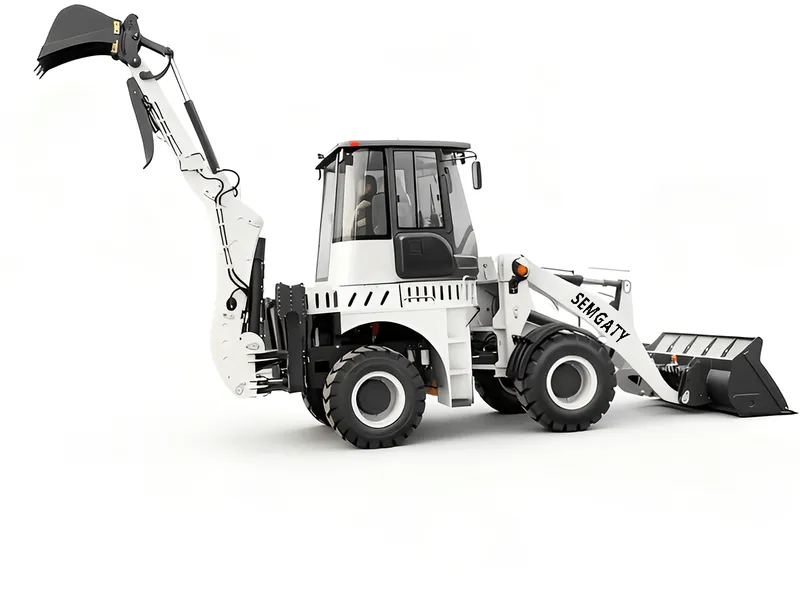
Brake system faults pose serious safety risks for backhoe loaders. Soft or spongy brake pedals are a typical symptom, often caused by air in brake lines, low brake fluid, or worn brake pads. Air trapped in brake lines reduces hydraulic pressure, making the brake pedal feel soft and requiring excessive force to stop the machine. Worn brake pads reduce braking efficiency, increasing the risk of accidents during operation.
Electrical system faults cannot be ignored either. Malfunctions of sensors, relays, or wiring often lead to abnormal operation of the machine. For example, a faulty temperature sensor may cause incorrect temperature readings, leading to overheating of the engine or hydraulic system. Loose or aging wiring can cause short circuits or poor contact, resulting in sudden shutdowns or failure of control systems.
Bucket and arm faults are common in long-term use. Bucket wear or deformation often occurs due to frequent contact with hard materials such as rocks. Worn bucket teeth reduce digging efficiency, while deformation affects the fit between the bucket and the arm. Additionally, loose or damaged pins and bushings between the arm and boom cause abnormal noises and affect the stability of digging actions.
Overheating of the hydraulic system or engine is a fault that requires immediate attention. Hydraulic system overheating is usually caused by clogged radiators, insufficient fluid, or excessive load. Engine overheating may result from low coolant levels, damaged water pumps, or clogged radiators. Overheating not only reduces system efficiency but also accelerates component wear, leading to more serious faults if not addressed promptly.
Proper maintenance is the key to reducing common faults of back hoe equipment. Regular inspection of hydraulic fluid, engine oil, and brake fluid levels, timely replacement of filters and worn components, and proper operation by operators can significantly extend the service life of backhoe loaders. For a backhoe loader of any size, including small front end loader with backhoe, regular maintenance ensures stable operation and reduces downtime, bringing more economic benefits to the job site.
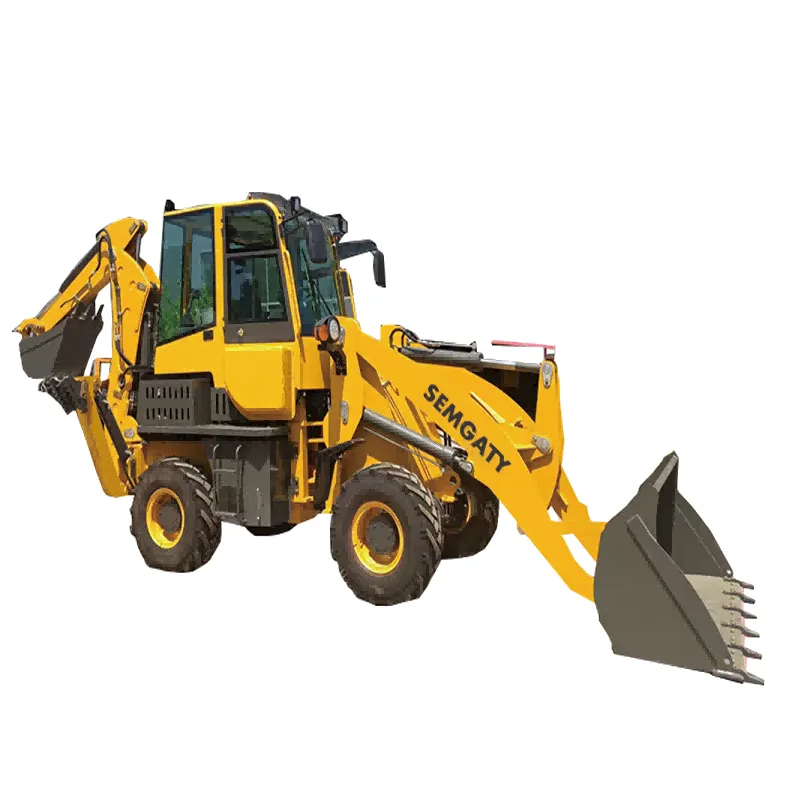
In summary, common faults of backhoe loaders mainly involve hydraulic systems, engines, brakes, electrical systems, and structural components. Each fault has obvious symptoms and clear causes. By mastering these common faults and their troubleshooting methods, operators and maintenance personnel can quickly respond to problems, minimize losses, and ensure that
back hoe equipment plays its maximum role in various construction scenarios. Regular maintenance and standardized operation are the fundamental measures to avoid these faults and ensure long-term stable operation of the equipment.