

How to Choose Loader Dump Truck, Dump Loader and Wheel Loader Dump Truck in 2026
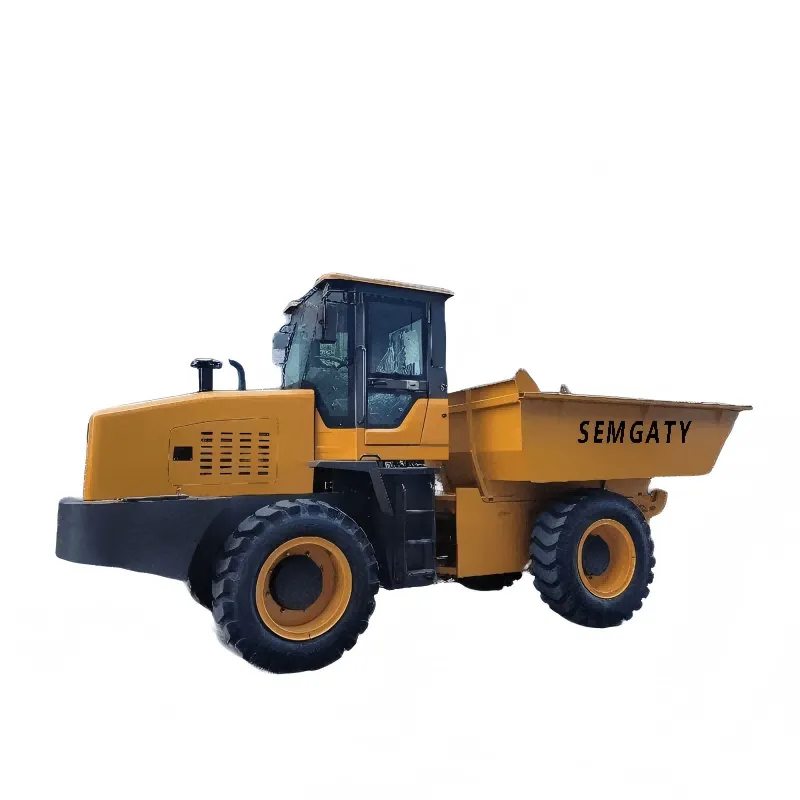
In 2026, construction, mining, agriculture and other industries develop rapidly, with growing demand for material handling and transportation equipment. loader dump truck, dump loader, wheel loader dump truck are three common multi-functional equipment integrating loading, transportation and unloading. Different equipment differ significantly in structure, performance and applicable scenarios; blind selection leads to low efficiency, higher costs and potential safety hazards. This article sorts out core selection criteria to help practitioners make scientific choices based on actual needs.
First, clarify core positioning and structural characteristics, the foundation of scientific selection. Loader dump truck integrates loader and dump truck functions with an integrated structure, front shovel bucket and rear dump box, focusing on balanced loading and long-distance transportation performance for scenarios needing both functions. Its reasonable design avoids cumbersome multi-equipment matching, improving overall efficiency.
dump loader targets small and medium-sized loading and short-distance transportation, with compact body, flexible operation and small load capacity. Equipped with a lift-and-dump shovel bucket (no independent rear dump box), it suits narrow spaces and small-batch handling. Its simple structure reduces failure rates and maintenance difficulty.
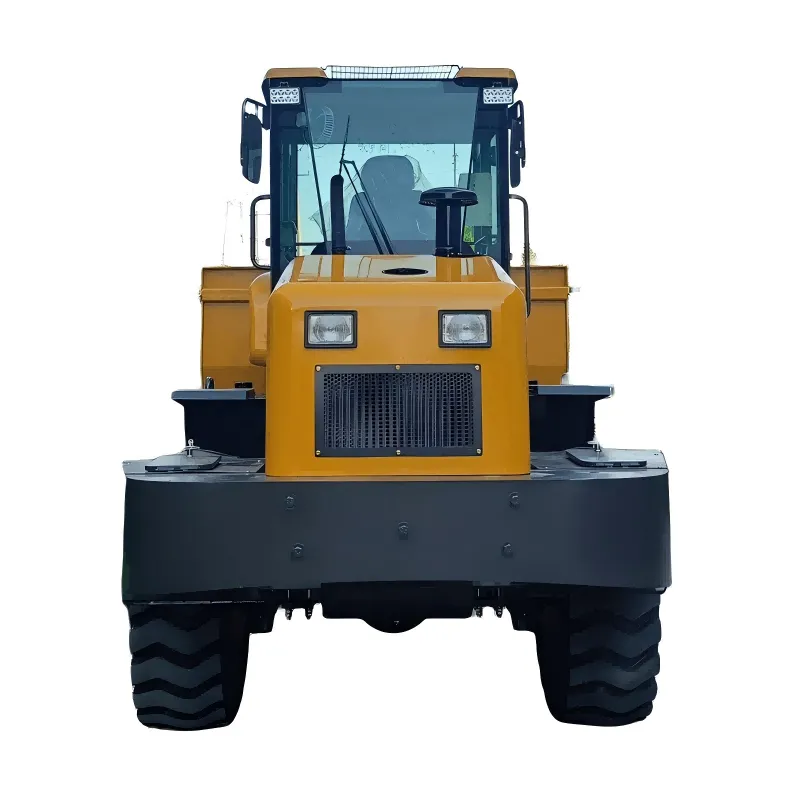
Wheel loader dump truck is an upgraded loader dump truck with a wheel-type traveling system, stronger traction and load capacity, better mobility and stability, widely used in large-scale construction sites and harsh terrain. Understanding these differences helps eliminate unsuitable options initially.
Second, select based on operation scenario and terrain, the most critical factor. For flat large-scale sites like urban construction, road projects and large mines, wheel loader dump truck is optimal. Its wheel-type system enables quick movement, high efficiency, and large load capacity (5-15 tons) meets large-batch handling needs. Reinforced chassis ensures stable long-term operation.
2026 industry data shows wheel loader dump truck accounts for 60% of usage in large flat sites, significantly improving efficiency. It adapts to high-intensity work and reduces terrain-related downtime.
For narrow spaces like rural construction, small workshops and indoor yards, dump loader is more suitable. With width under 2.5 meters and small turning radius, it shuttles flexibly, avoiding movement troubles from large equipment. Rural roads and small workshops often have limited space, which dump loader adapts to perfectly.
Light weight and flexibility make it ideal for small-batch loading and short-distance transportation (within 1 km), such as rural house building and courtyard hardening. Rural teams and small enterprises prefer it for low operation costs and strong narrow-space adaptability.
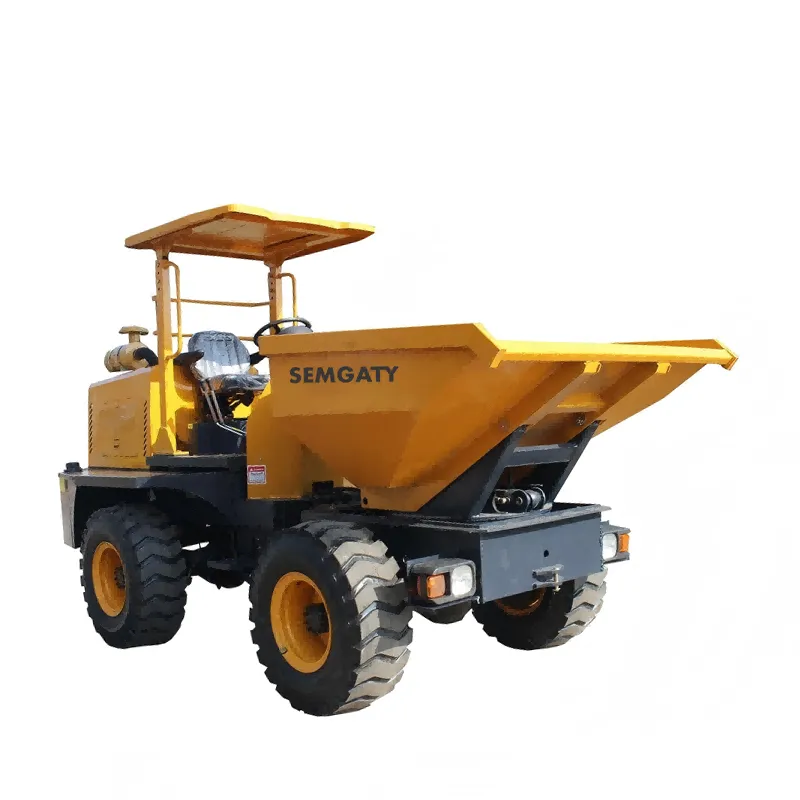
For scenarios needing both loading and medium-to-long distance transportation (1-5 km), such as inter-site material transfer and medium mine ore transportation, loader dump truck is appropriate. Its integrated structure eliminates additional equipment needs, reducing links and labor. It balances loading and transportation performance well.
With moderate load capacity (3-8 tons) and stable traveling performance, it completes loading, transportation and unloading in one operation, improving efficiency. It also has good fuel economy, cutting long-term costs.
Third, select by load capacity and work intensity to match performance with demand. For heavy-duty continuous operations (daily handling over 100 tons), choose wheel loader dump truck with large load capacity, which needs strong load-bearing and stable continuous operation.
wheel loader dump truck is equipped with a high-power diesel engine and reinforced transmission system, bearing heavy loads stably without frequent failures. Reinforced shovel bucket and dump box adapt to abrasive materials like rocks, reducing wear and extending service life.
For medium-duty operations (30-100 tons daily), loader dump truck with moderate load capacity is suitable, balancing load and energy consumption to avoid waste or inefficiency. It is widely used in medium sites for high cost-effectiveness.
For light-duty operations (less than 30 tons daily), dump loader is most cost-effective. With small load capacity (1-3 tons), low energy consumption and simple maintenance, it meets needs of family farms, small workshops and road maintenance without unnecessary large-equipment investment.
Fourth, consider operation cost and maintenance difficulty, key to long-term use. Operation cost includes fuel, maintenance and labor; maintenance difficulty affects service life and downtime loss. Reasonable cost control improves investment returns.
dump loader has simple structure, few core components and low maintenance difficulty. Daily maintenance only checks oil, tires and hydraulic system, with maintenance cost 20%-30% lower than other two types. Its low fuel consumption (1.5-2.5 liters per hour) suits budget-limited small-scale users.
Loader dump truck has moderate complexity, maintenance difficulty and cost. Its integrated structure needs regular inspection of loading and transportation components, but overall maintenance is simple. Fuel consumption of 3-5 liters per hour suits medium-budget users with stable demand.
Wheel loader dump truck has complex structure, many core components and high maintenance difficulty. Professional maintenance is needed for its reinforced chassis and transmission system, with higher maintenance cost and fuel consumption (5-8 liters per hour). Its high efficiency offsets partial costs, suitable for large enterprises with sufficient budget.
Fifth, pay attention to supporting accessories and after-sales service for long-term stable operation. Different needs require different accessories, such as anti-wear shovel buckets for abrasive materials. Suitable accessories improve versatility.
loader dump truck and wheel loader dump truck need better after-sales service due to complex structure; choose brands with local maintenance points and timely spare parts. Dump loader has simple structure, but good after-sales service reduces maintenance troubles and avoids downtime losses.
In summary, choosing these three types of equipment in 2026 requires comprehensive consideration of scenario, terrain, load capacity, work intensity, operation cost and after-sales service. Clarify actual needs, understand each equipment’s characteristics and avoid blind selection. Reasonable selection improves efficiency, reduces costs, extends service life and supports industrial production and operation.