

How to Choose the Right Engine for a Small Tonnage Wheel Loader
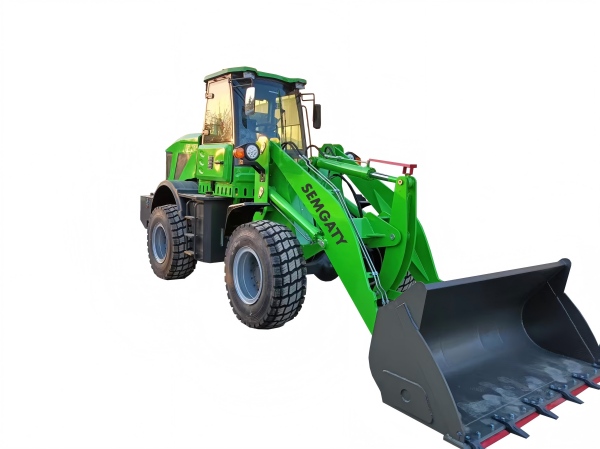
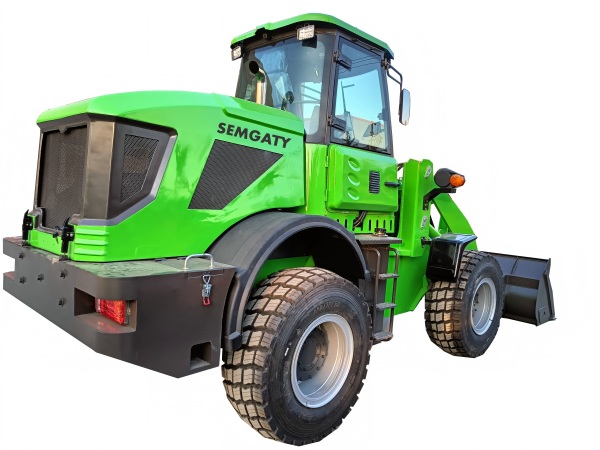
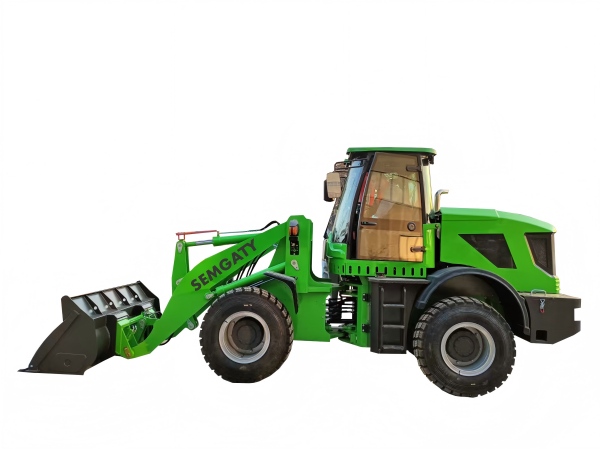
In today’s construction and agricultural markets, selecting the right engine for a mini pay loader, small articulated wheel loader, and wheel loader mini is critical for performance, fuel efficiency, and long-term reliability.
Many buyers focus only on price, while overlooking engine power matching, brand selection, and working conditions. A well-matched engine can improve productivity, reduce maintenance costs, and extend machine lifespan.
This article explains how to choose the best engine configuration for a mini pay loader, small articulated wheel loader, and wheel loader mini, helping global buyers make smarter purchasing decisions.
Engine Power Selection Based on Application
Engine power directly determines working efficiency. A mini pay loader used in farms, yards, or light construction does not require excessive horsepower, while heavy-duty applications demand higher output.
For light-duty scenarios such as landscaping or small material handling, a wheel loader mini with 25–40 HP is sufficient. For medium workloads like construction sites, a small articulated wheel loader should be equipped with 40–60 HP.
Matching engine power avoids fuel waste and reduces wear. Overpowered engines increase cost and fuel consumption, while underpowered engines reduce efficiency and strain components.
Relationship Between Engine Brand and Reliability
Engine brand plays a major role in durability and after-sales support. A high-quality engine ensures stable performance for a mini pay loader and reduces downtime.
Well-known brands such as Perkins, Kubota, and Yanmar are widely used in small articulated wheel loader and wheel loader mini markets due to reliability and global service networks.
However, cost-effective Chinese engines are also improving rapidly. Many manufacturers now offer competitive performance for mini pay loader applications with lower acquisition costs.
Choosing a recognized engine brand improves resale value and ensures easier spare parts availability worldwide.
Matching Engine with Working Conditions
Different working environments require different engine configurations. A wheel loader mini operating in hot climates needs better cooling systems, while dusty environments require high-efficiency air filtration.
For high-altitude regions, a turbocharged engine is recommended for a mini pay loader to maintain performance. In cold regions, reliable cold-start capability is essential for a small articulated wheel loader.
Understanding working conditions ensures the engine performs consistently and avoids unexpected failures.
Fuel Efficiency and Emission Standards
Fuel consumption is a key factor affecting operating costs. A fuel-efficient engine reduces expenses for a mini pay loader and improves profitability for operators.
At the same time, emission standards such as Euro V or EPA Tier 4 are becoming increasingly important in global markets. Selecting a compliant engine ensures that a small articulated wheel loader can enter more regions without restrictions.
Balancing fuel efficiency and emissions compliance is essential for long-term investment.
Maintenance and Service Considerations
Easy maintenance is crucial for reducing downtime. A wheel loader mini with a simple engine layout allows faster servicing and lower labor costs.
Buyers should consider spare parts availability, service networks, and technical support when selecting engines for a mini pay loader.
Regular maintenance such as oil changes, filter replacement, and cooling system checks will significantly extend engine life.
Conclusion
Choosing the right engine for a mini pay loader, small articulated wheel loader, and wheel loader mini depends on power matching, brand reliability, working conditions, fuel efficiency, and maintenance convenience.
A well-selected engine improves performance, reduces operating costs, and ensures long-term durability. For global buyers, investing in the right configuration means higher efficiency and better returns.