How to Choose the Right Tonnage for Wheel Loaders: Compact Front End Loader, Compact Front Loader and Woods Loader in 2026
In 2026, global construction, agricultural planting, forestry operations, and municipal maintenance sectors grow steadily. Wheel loaders, as core multi-purpose handling machinery, are vital for improving efficiency and cutting labor costs. Among them, compact front end loader, compact front loader, and woods loader are widely used in small to medium-sized operations for their flexibility and adaptability. Choosing the right tonnage is key to optimizing performance, reducing costs, and ensuring safety. Backed by over a decade of experience in machinery R&D, manufacturing, and export, our company provides high-quality, tonnage-customizable solutions, adhering to international standards to build long-term reliable partnerships worldwide.
Tonnage selection for wheel loaders—including compact front end loader, compact front loader, and woods loader—depends on operational scenarios, load requirements, and site conditions. Blindly pursuing large tonnage or choosing small tonnage to save costs is unwise; matching tonnage to actual needs maximizes equipment value. The core principle is to ensure rated load and lifting capacity meet task demands, while considering site space, transport convenience, and fuel consumption to balance efficiency and cost.
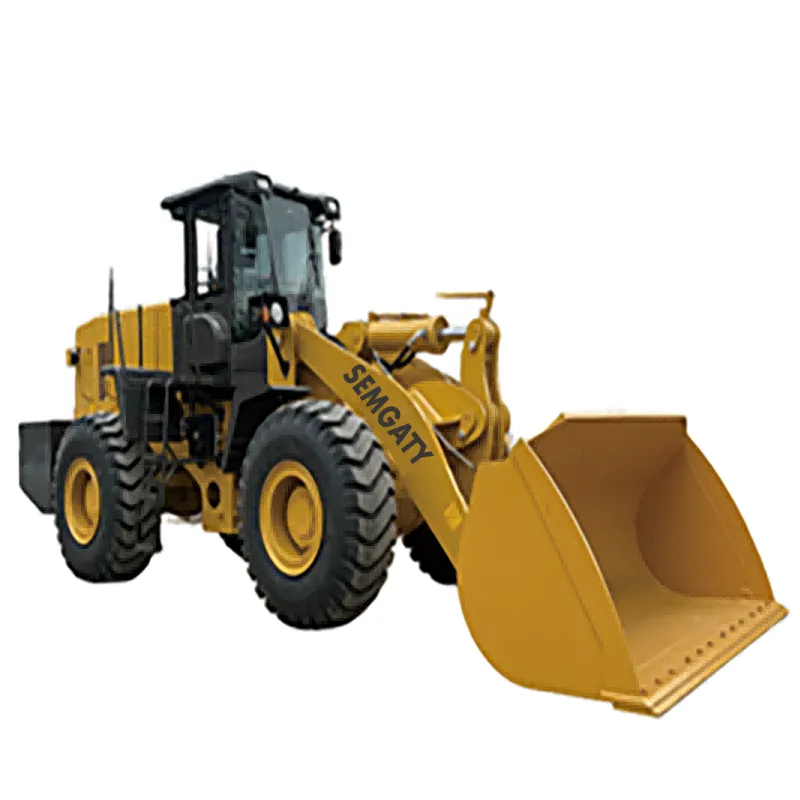
compact front end loader is a small, flexible wheel loader (0.5-2 tons), suitable for narrow spaces and light-load tasks. When choosing its tonnage, focus on material weight and operation frequency. For small farms, residential communities, and small construction sites handling soil, mulch, small gravel, or light debris, a 0.5-1 ton model suffices, offering low fuel consumption and easy operation.
compact front loader, an upgraded variant of compact front end loader (1-3 tons), has stronger lifting capacity and breakout force. It integrates flexibility and load-bearing, suitable for small to medium-sized tasks in agriculture, municipal work, and light construction. For loading hay bales, moving construction materials, or cleaning sites, a 1.5-2.5 ton model balances efficiency and flexibility, and can be equipped with pallets or grapples to expand functions.
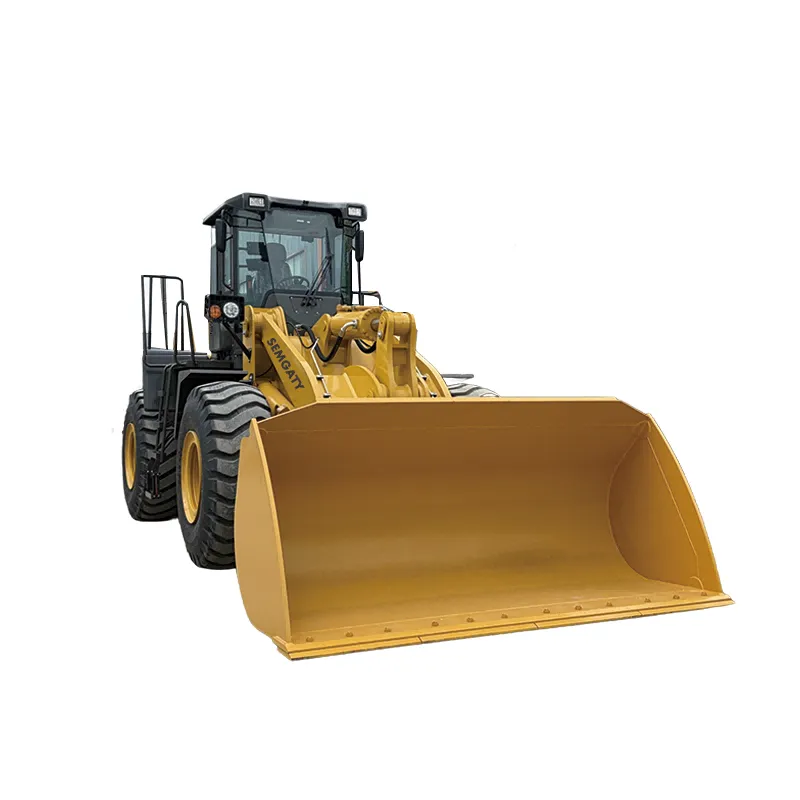
Four key factors determine tonnage selection: operational tasks, material characteristics, site conditions, and long-term costs. For light-load, frequent tasks (e.g., small-scale stacking, garden maintenance), choose 0.5-2 ton compact front end loader or compact front loader. For medium-load tasks (e.g., farm material handling, light construction loading), a 2-3 ton compact front loader is better. Dense materials (clay, small stones) require higher tonnage and breakout force; loose materials (mulch, hay) suit small-tonnage loaders.
woods loader is specialized for forestry (3-8 tons), handling wood, logs, and forestry debris. Its higher tonnage accommodates wood’s density and weight. Choose based on log weight: 3-4 tons for small logs (≤1 ton/single), 5-8 tons for medium/large logs (1-3 tons/single) to avoid overloading. Its special jaw claw attachment fixes wood to prevent slipping during transport.
Site conditions matter: narrow spaces (small workshops, residential alleys, dense forests) suit 0.5-2 ton compact loaders (small turning radius, flexible movement). Open sites (large farms, forestry yards) allow 3+ ton loaders to boost efficiency. Transport convenience is also key: small-tonnage loaders fit ordinary trucks; large-tonnage woods loaders need special transport, increasing costs.
compact front end loader (0.5-1 ton) has low operational and maintenance costs, ideal for individual users, small farms, and teams with limited budgets. A 750-lb lift capacity model is perfect for small-acreage tasks (moving soil, carrying firewood) and easy for beginners. For higher load needs in narrow spaces, choose 1-2 ton models to balance capacity and flexibility.
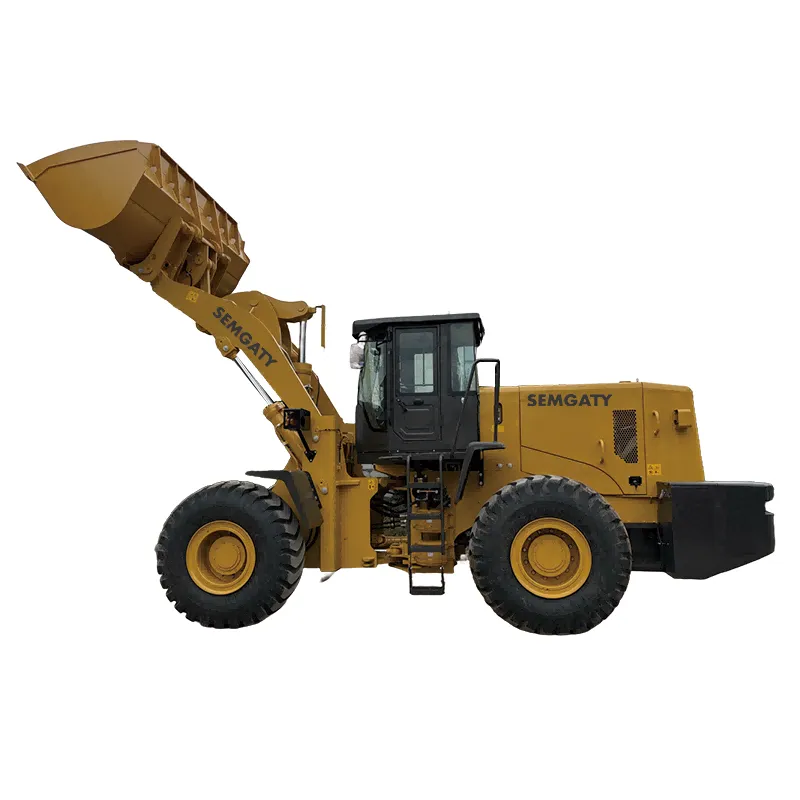
compact front loader (1.5-3 tons) is the most versatile, suitable for most small to medium-sized operations. With 650-1100 kg rated load, powerful hydraulic systems, and quick attach, it switches between buckets, forks, and grapples easily. Consider hydraulic flow (determines speed/responsiveness) for better efficiency. It is widely used in municipal maintenance, farming, and light construction, a cost-effective choice for most users.
When choosing
woods loader tonnage, prioritize long-term efficiency and safety. Overloading shortens service life and increases accident risks; underloading wastes resources. A 3-4 ton model suits small forestry yards and individual operators; 5-8 tons for large-scale forestry and wood processing plants (higher lifting capacity, stronger traction). Good stability and off-road performance should be considered with tonnage.
Q1 2026 market data: global demand for compact front end loader and compact front loader rises 26% year-on-year (driven by small-scale agriculture, municipal work in Asia, Africa, Latin America). Woods loader demand increases 23% year-on-year, especially in forestry-rich regions. Our lineup covers all three core types with energy-saving engines and safety systems, meeting international standards.
In summary, choose tonnage based on tasks, materials, site, and costs: 0.5-2 ton compact front end loader/compact front loader for light-load/narrow-space tasks; 1.5-3 ton compact front loader for medium-load/multi-scenario tasks; 3-8 ton woods loader for heavy forestry work. Our professional team provides one-on-one consulting, on-site demonstrations, and training to ensure proper operation and maximize equipment value.
Looking ahead to 2026, we will focus on technological innovation, adjust tonnage configurations of compact front end loader, compact front loader, and woods loader to meet market demand, and provide more efficient, energy-saving solutions. We will expand global markets, strengthen cooperation with emerging regions, and support the efficient development of construction, agriculture, and forestry industries.