

How to Choose the Right Track Skid Steer Loader for Different Applications
Selecting the right equipment is essential for improving efficiency and reducing operational cost in construction and material handling. Buyers evaluating track skid, skidsteer loader, new skid loader often face multiple options with different specifications. Understanding working conditions and machine features helps ensure the correct investment decision.
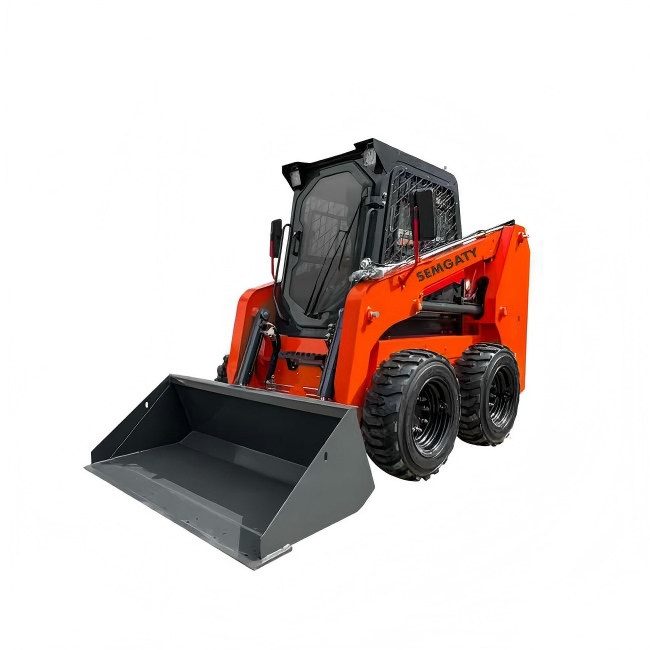
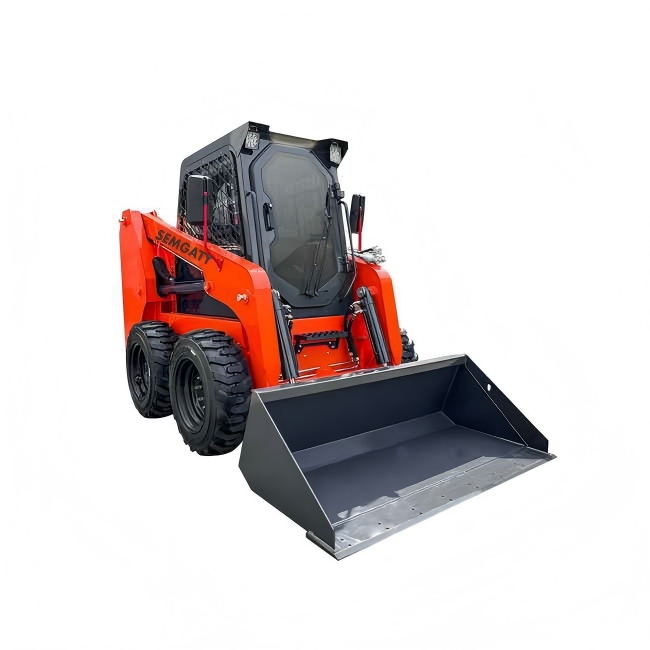
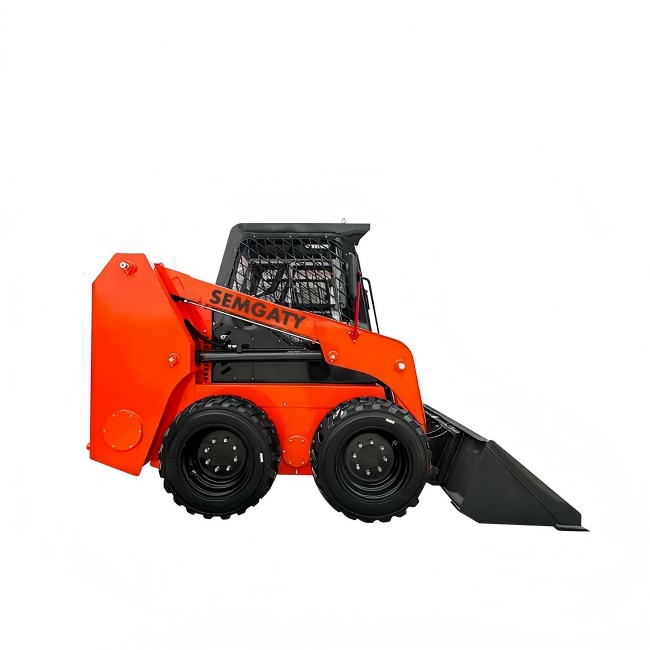
Understanding Track Skid for Different Terrain Conditions
Terrain plays a critical role in selecting track skid equipment. Soft ground, muddy construction sites, and uneven surfaces require strong traction and stability.
Track skid provides lower ground pressure compared with wheeled machines, making track skid suitable for landscaping, agriculture, and wet construction environments.
In contrast, skidsteer loader with wheels performs better on hard surfaces such as concrete and asphalt. Buyers must evaluate terrain before choosing between track skid and wheeled options.
Skidsteer Loader for Versatile Applications
Skidsteer loader remains a popular choice for construction, municipal work, and material handling. Compact structure and high maneuverability allow skidsteer loader to operate efficiently in narrow spaces.
New skid loader models provide improved hydraulic systems and attachment compatibility, increasing productivity across multiple tasks.
From loading materials to site cleaning, skidsteer loader offers flexibility for daily operations.
New Skid Loader Technology and Performance
Modern new skid loader designs focus on efficiency, comfort, and advanced control systems. Improved hydraulic performance allows new skid loader to handle demanding tasks with precision.
Enhanced operator cabins and control systems reduce fatigue and improve safety. Track skid versions of new skid loader provide additional stability in complex environments.
Technological upgrades make new skid loader suitable for both experienced operators and new users.
Key Factors When Choosing the Right Machine
Choosing between track skid, skidsteer loader, new skid loader requires careful evaluation of several factors.
Working environment determines machine type. Soft terrain requires track skid, while hard surfaces favor skidsteer loader.
Task type also influences selection. Heavy-duty tasks benefit from new skid loader with advanced hydraulic systems.
Budget and maintenance cost must also be considered when selecting track skid or skidsteer loader.
Attachment Compatibility and Multi-Function Capability
Attachments expand the functionality of track skid, skidsteer loader, new skid loader. Buckets, augers, breakers, and forks allow one machine to perform multiple tasks.
New skid loader models support quick attachment changes, improving efficiency. Track skid machines handle attachments well in rough terrain, while skidsteer loader offers speed in urban environments.
Conclusion
Track skid, skidsteer loader, new skid loader each provide unique advantages for different working environments. Proper selection based on terrain, task requirements, and budget helps improve productivity and reduce operational cost.