How to Identify Power Strength of Construction Machinery Loaders
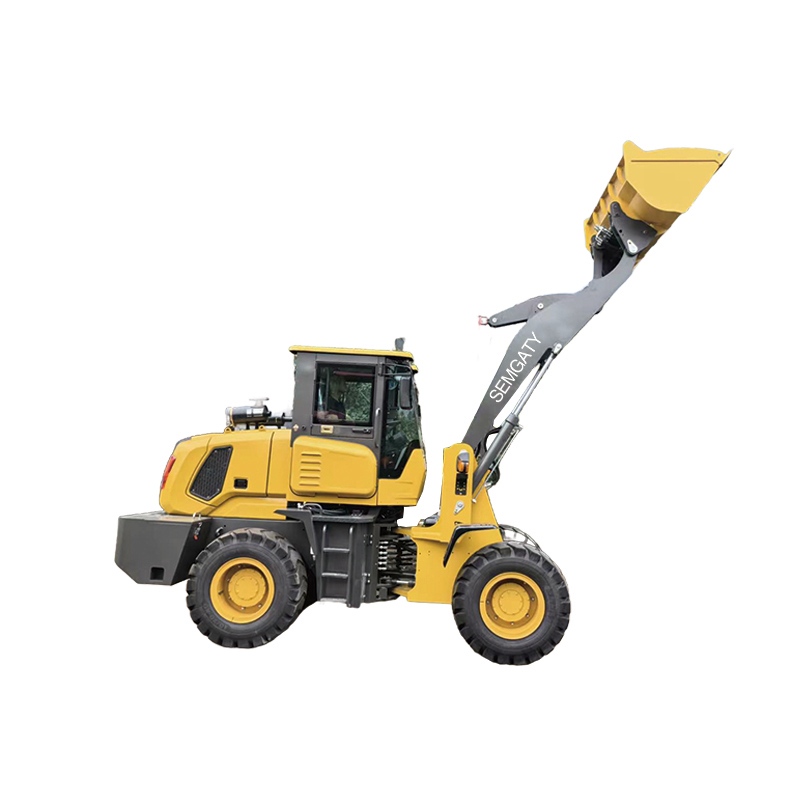
Loaders serve as core construction machinery for earthwork, material handling and site leveling across municipal construction, mining development and road engineering. Power performance acts as the core indicator measuring comprehensive working capacity of loaders, directly determining construction efficiency, terrain adaptability and long-term operation stability. Different types of loaders match diverse power configurations, and scientific identification of power strength helps construction enterprises select suitable equipment and optimize construction arrangements. The power judgment standards apply to
small articulating loader and mainstream engineering loader models.
Professional identification of loader power strength abandons subjective feeling and relies on systematic parameter detection and actual working condition verification. Core judgment dimensions cover engine output performance, hydraulic system matching efficiency, torque reserve capacity and traction performance. These technical indicators jointly define the upper limit of loader operation capacity and can accurately distinguish power differences among various loader models of different brands and specifications.
Engine rated power and effective output constitute the primary basis for power identification. Formal industrial parameters divide loader power grades through effective flywheel power under standard atmospheric pressure and temperature conditions. High-power loaders maintain stable rated output under continuous heavy-load operation without power attenuation. Low-power equipment shows obvious output drop under frequent loading and unloading, which is prominent in the application of small payloader in fine operation scenarios.
Torque reserve and low-speed performance are key indicators reflecting actual power potential of loaders. Excellent power equipment delivers large low-speed torque, generates strong breakout force in shovel and digging links, and completes material penetration and stacking operations stably. Sufficient torque reserve enables equipment to cope with sudden load changes and avoid frequent flameout or speed drop during complex working condition switching.
Hydraulic system matching efficiency directly reflects effective conversion rate of loader power. High-quality power configuration realizes synchronous coordination of engine, hydraulic pump and distribution valve. Power loss in energy conversion and transmission process remains at a low level. Loaders with excellent hydraulic matching can quickly complete bucket lifting, arm stretching and steering actions under full load, which is an important standard for judging high-quality power of
wheel loader.
Traction force and ground adaptability intuitively verify loader power strength in actual construction. Strong power loaders maintain stable ground gripping traction on soft soil, gravel and muddy road surfaces, without skidding or sinking during heavy-load material pushing. Equipment with insufficient power fails to drive full-load operation on complex terrains and requires repeated operations to complete construction tasks, reducing overall project progress.
Continuous operation stability is an invisible dimension of power identification. Qualified high-power loaders maintain consistent output state during long-hour continuous operation, with no obvious temperature rise failure or power attenuation. Inferior power configurations cause gradual engine overheating and hydraulic pressure drop after long-time heavy-load work, leading to reduced operation efficiency and increased equipment failure risks.
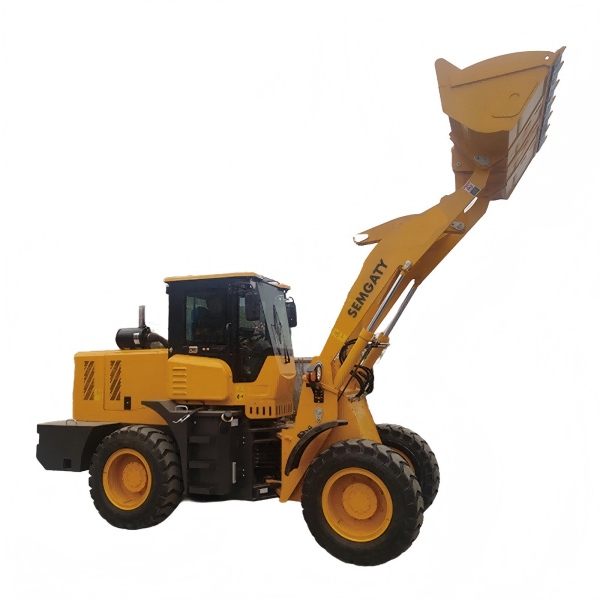
Load-bearing matching performance of working devices can also assist power strength judgment. Strong power loaders support stable operation of standard bucket capacity and rated load without body shaking or action lag. Equipment with mismatched power struggles to drive standard load operations, resulting in slow lifting speed and insufficient pushing force, unable to meet standardized construction load requirements.
Different loader types have differentiated power judgment criteria adapting to their positioning. Compact and flexible
small articulating loader focuses on low-speed torque responsiveness and flexible power output, suitable for light-load and frequent switching operations in urban narrow spaces. Power evaluation emphasizes stability and energy-saving performance rather than extreme high power parameters.
Medium and large
wheel loader for heavy engineering scenarios takes continuous power output, overload resistance and traction limit as core judgment standards. Mining and large infrastructure construction require equipment to maintain high-intensity operation for a long time. Sufficient power reserve and stable hydraulic transmission capacity become the core embodiment of strong power performance.
Daily simple identification methods for loader power strength suit on-site construction personnel’s rapid judgment needs. Observe startup and acceleration states of equipment under no-load condition. Strong power loaders achieve smooth and rapid acceleration without lag or jitter. Detect operation response under half-load and full-load states. Synchronous and sensitive mechanical actions represent high matching degree of power system.
Load test verification is the most accurate on-site power identification method. Select standard bulk materials such as gravel and earthwork for fixed-load shovel loading and stacking tests. Record single-cycle operation time and continuous working stability of equipment. Short operation cycle and stable mechanical state prove excellent power performance of
small payloader and various medium and large loaders.
Professional detection equipment can realize precise quantification of loader power strength. Detect engine effective power, hydraulic system pressure value, torque output curve and traction limit data through professional instruments. Compare measured data with factory standard parameters to accurately judge power attenuation degree and overall performance level of equipment.
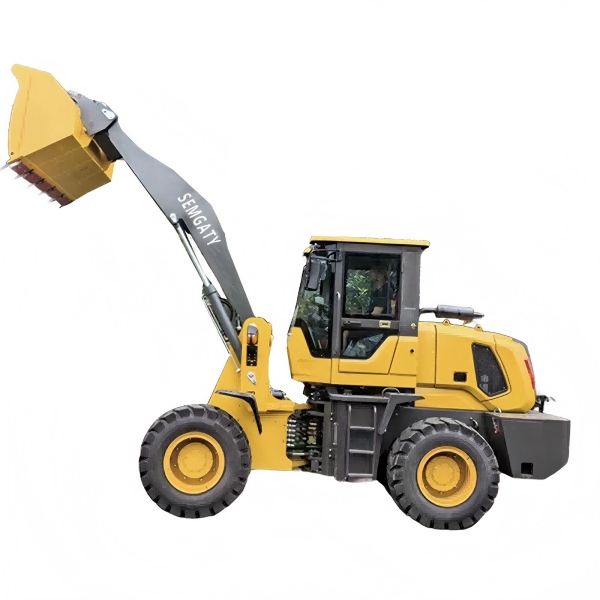
Power attenuation degree of old and new equipment also needs targeted identification. New machines with qualified power maintain consistent parameter output. Used loaders with aging power systems show reduced maximum output and insufficient torque reserve. Regular power detection helps construction teams grasp equipment performance status and arrange maintenance and replacement plans reasonably.
Industry standard specification clarifies grade division basis for loader power performance. Loaders with complete power system matching, sufficient torque reserve, stable continuous output and low power loss are defined as high-power high-performance equipment. Equipment with single parameter excellence but unbalanced overall matching cannot be rated as strong power configuration.
Reasonable identification of loader power strength brings multiple practical values for construction projects. Accurate power judgment supports scientific equipment scheduling, matches different power grade loaders with corresponding construction scenarios, avoids power waste or insufficient operation capacity, and effectively reduces construction energy consumption and time cost.
With continuous upgrading of loader manufacturing technology, power system matching design becomes more precise. New generation loaders optimize engine and hydraulic linkage logic, improve energy conversion efficiency, and realize stronger power output with lower energy consumption. Power identification standards will also keep upgrading along with technological iteration of construction machinery.
Construction machinery operators and enterprise managers need to master systematic power identification methods. Standardized power judgment can effectively avoid equipment selection errors, reduce construction risks caused by insufficient power, and improve overall construction quality and efficiency. Accurate power assessment becomes an essential professional skill for refined construction management.