

How to Provide Data to Get the Best Value Wheel Loader
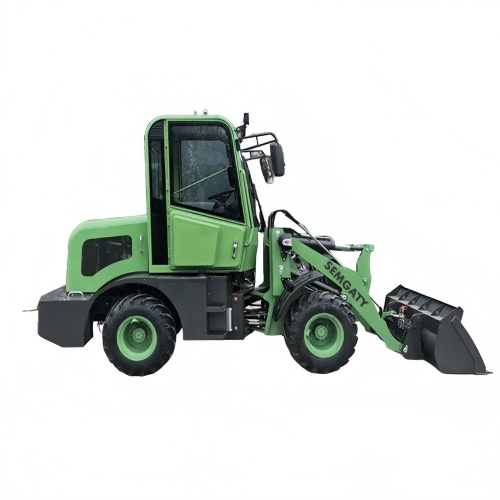
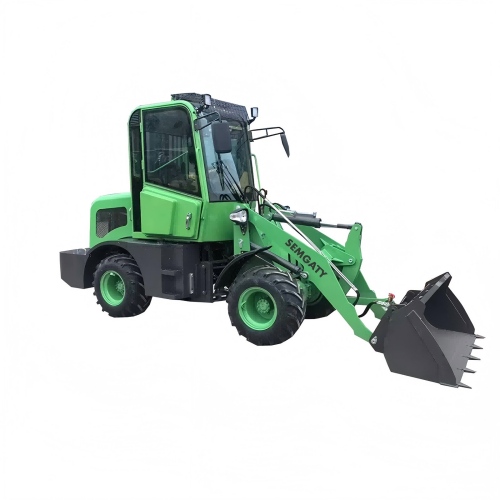
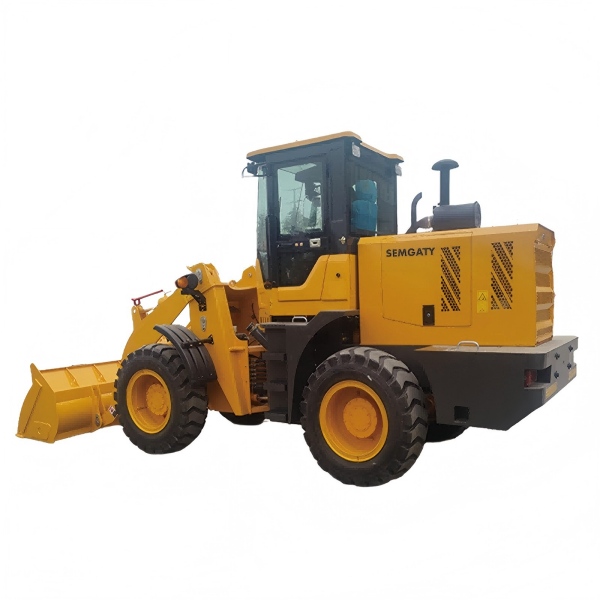
Purchasing a small articulating front end loader, compact articulating loader, or small wheel loader requires more than just comparing prices. Buyers who provide accurate operational data often secure machines with higher performance and cost efficiency.
Providing detailed information helps suppliers recommend the best configuration for a small articulating front end loader, compact articulating loader, and small wheel loader, improving productivity while reducing maintenance costs.
This article outlines which data points buyers should supply to obtain the most cost-effective small articulating front end loader, compact articulating loader, and small wheel loader for various applications.
Key Data to Provide: Working Conditions
Suppliers need information about the operating environment of a small articulating front end loader, compact articulating loader, and small wheel loader. Key factors include terrain type, slope, soil condition, and obstacles.
For instance, a muddy farm site may require a compact articulating loader with all-wheel drive, while a paved warehouse may allow a small wheel loader with standard tires. Correctly matching equipment to working conditions ensures durability and efficiency.
Providing accurate working condition data helps suppliers recommend a small articulating front end loader that meets operational demands without overpaying.
Key Data to Provide: Load and Material Requirements
Buyers should share expected load capacities and material types. A small articulating front end loader handling gravel requires different specifications than a compact articulating loader moving palletized goods.
Load frequency and maximum lifting weight inform engine power, hydraulic pump capacity, and transmission type. Proper data ensures a small wheel loader delivers optimal performance and reduces fuel consumption.
Accurate load information allows suppliers to configure a compact articulating loader for long-term reliability and lower operating costs.
Key Data to Provide: Daily Operating Hours
Daily operating hours for a small articulating front end loader, compact articulating loader, and small wheel loader are crucial for selecting durable components.
Machines operating 8–10 hours per day may require reinforced transmission systems, heavy-duty hydraulic pumps, and high-quality tires. Machines operating only a few hours per day can use standard components to save cost.
Providing operating schedule data ensures that a small wheel loader meets lifespan expectations and provides value over time.
Key Data to Provide: Space and Maneuverability
Site layout and working space significantly affect the choice of a small articulating front end loader, compact articulating loader, and small wheel loader.
Narrow alleys or tight construction sites require a compact articulating loader with articulated steering for better maneuverability. Open areas allow a small wheel loader with standard dimensions and higher speed.
Providing site dimension data helps suppliers optimize equipment selection for operational efficiency and safety.
Key Data to Provide: Budget and Total Cost Considerations
Buyers should clearly define budget constraints, including purchase price, fuel, maintenance, and potential resale value.
A small articulating front end loader may offer higher upfront cost but lower long-term fuel consumption. A compact articulating loader with energy-efficient engines reduces operational costs, and a small wheel loader with durable components minimizes maintenance expenses.
Sharing budget data ensures suppliers recommend the small articulating front end loader, compact articulating loader, or small wheel loader that maximizes value for money.
Conclusion
Providing detailed operational data is essential for obtaining a high-value small articulating front end loader, compact articulating loader, or small wheel loader.
Data such as working conditions, load requirements, operating hours, site dimensions, and budget ensures suppliers recommend machines with optimal performance, efficiency, and durability.
Accurate data leads to smarter purchases, lower operating costs, and higher productivity, helping global buyers maximize return on investment.