How to Quickly Judge the Overall Quality of Generic Wheel Loaders Before Procurement
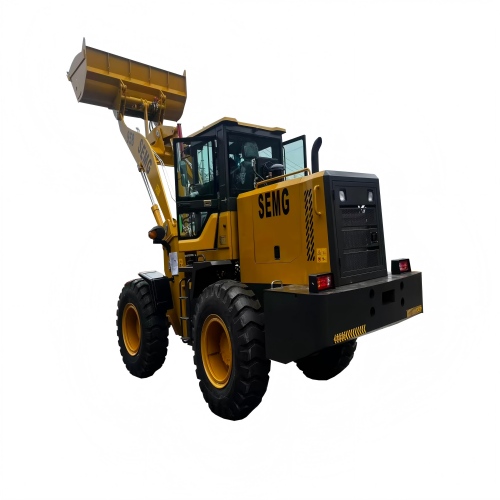
Engineering fleet procurement covers diverse types of loading machinery to meet earthwork, stockyard and road construction demands. Generic wheel loaders occupy large market shares with low pricing and flexible supply cycles. Uneven production standards and unregulated manufacturing processes create huge quality gaps among non-brand loading equipment. Rapid and accurate quality judgment helps procurement teams avoid inferior products and reduce post-purchase maintenance losses.
Loader with qualified overall structure and accessory matching delivers stable operating performance in long-term engineering tasks. Systematic inspection methods effectively identify comprehensive quality level of generic
Loader for construction project procurement plans.
Overall structural welding inspection serves as the primary standard for judging equipment manufacturing quality. Qualified loading machinery features smooth welding lines, uniform solder thickness and no missing welding or virtual welding traces. Frame connection parts, boom welding joints and chassis bearing areas reflect core production craftsmanship of manufacturers. Irregular welding pores, uneven solder accumulation and crack hidden dangers indicate rough manufacturing standards. Integrated frame structures without artificial repair traces guarantee stronger bearing capacity and structural durability. Visual welding detection and simple pressure testing verify overall structural firmness for purchased
wheel loader machine in preliminary screening. Fine structural inspection eliminates poorly fabricated
wheel loader machine with hidden structural defects from procurement lists.
Core hydraulic component quality assessment judges long-term operating reliability of generic loading equipment. Hydraulic systems determine operating flexibility, loading efficiency and fault resistance of wheel loaders. Formal branded hydraulic valves, oil cylinders and pipeline accessories feature uniform specification codes and complete production marks. Inferior mixed-assembled hydraulic parts lack standardized parameter calibration and wear out easily under high-pressure working states. Manual operation tests check lifting smoothness, dumping stability and action synchronization of hydraulic systems. Stable and jitter-free hydraulic operation proves qualified assembly quality for heavy-duty big wheel loader from unknown manufacturers. Standard component identification methods filter unqualified big wheel loader with mismatched hydraulic configurations.
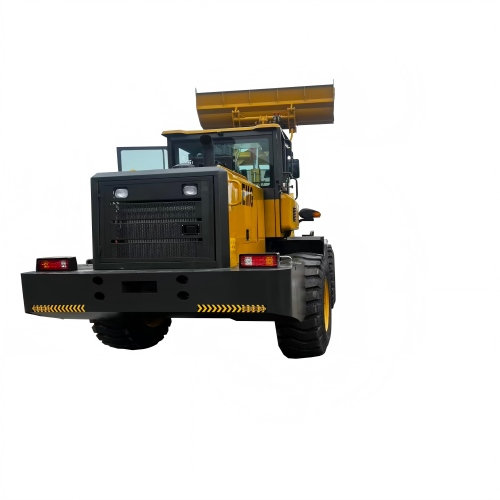
Engine overall condition inspection verifies core power performance of generic wheel loaders. Power systems act as the heart of all loading and traveling operations. Qualified original engines feature complete factory labels, uniform operation sound and stable idle speed. Refurbished engines and assembled power units produce messy running noise, unstable speed fluctuation and abnormal exhaust color. Procurement personnel check engine operating temperature rise speed, exhaust status and power output stability under no-load and low-load states. Professional engine detection avoids equipment with insufficient power and frequent fault hidden dangers in later construction.
Chassis and walking system inspection evaluates equipment durability and ground adaptability. High-quality generic loaders adopt thickened chassis steel plates, standardized tire configurations and intact hinge connection structures. Qualified tire tread depth, uniform steel wire arrangement and intact rubber layers ensure long-term anti-wear and anti-slip performance. Fastened chassis bolts and well-lubricated hinge points reflect standardized assembly processes. Loose chassis parts, thin steel structures and refurbished tires represent typical cost-cutting behaviors of small manufacturers. Comprehensive chassis inspection effectively judges long-distance traveling safety and structural stability of loading equipment.
Sealing and oil circuit detection identifies assembly precision and anti-leakage performance. Fine manufacturing equipment features smooth pipeline layout, uniform sealing gasket installation and no oil seepage at all joint positions. Inferior generic loaders adopt low-quality sealing parts and irregular pipeline fixation modes. Slight oil trace at hydraulic joints, cylinder rods and engine oil circuits indicates unqualified assembly precision or inferior accessory configuration. Static placement inspection and low-pressure operation test expose potential leakage hidden dangers. Qualified sealing performance guarantees stable internal pressure and reduces later maintenance frequency of loading machinery.
Cab and control system inspection judges equipment humanization and assembly fineness. Standard cabs feature firm welding frames, intact shock absorption structures and sensitive control lever feedback. Qualified instrument panels display accurate data with no flicker or signal abnormality. Sensitive brake systems, flexible steering feedback and clear operating linkage reflect complete electrical circuit assembly. Rough internal wiring, lagging control response and inaccurate instrument display represent unqualified production standards. Detailed cab detection verifies operating comfort and electrical system stability of generic wheel loaders.
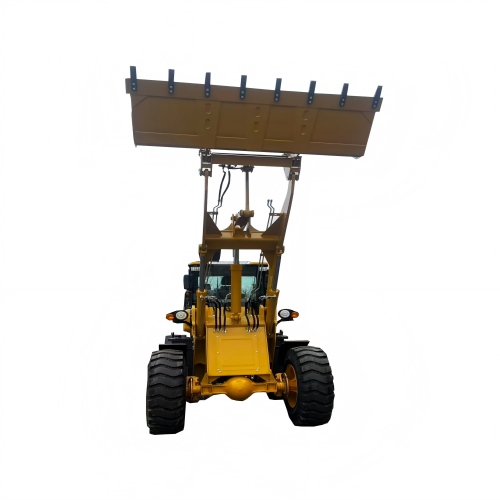
Vulnerable parts and accessory matching inspection judges overall configuration level of equipment. Formal production loaders adopt uniformly matched bucket teeth, pin shafts, bushings and buffer parts. Complete accessory specifications and consistent material texture prove standardized production procedures. Mixed accessories with different sizes and uneven material quality lead to frequent partial wear and early failure. Bucket surface thickness, tooth hardness and pin shaft smoothness directly determine later working durability. Accessory matching consistency serves as important auxiliary basis for rapid quality judgment in procurement work.
No-load and load trial operation comprehensively verify overall coordination performance. Static inspection completes preliminary screening while dynamic trial operation exposes potential assembly defects. No-load traveling test checks traveling stability, steering flexibility and brake sensitivity of equipment. Load trial operation detects hydraulic lifting speed, bearing uniformity and whole machine vibration state. Stable operation without abnormal noise, jitter and oil leakage proves qualified overall assembly quality. Obvious vibration, harsh friction noise and slow hydraulic response mark unqualified equipment with poor manufacturing precision.
Surface painting and anti-corrosion treatment inspection reflects production standardization degree. High-quality generic loaders adopt uniform paint thickness, smooth surface texture and complete anti-corrosion primer treatment. No paint peeling, bubbling or rust spots exist on frame surfaces and welding positions. Inferior equipment saves anti-corrosion processes and adopts low-quality paint materials. Uneven paint coverage, local rust traces and rough surface treatment shorten equipment service life severely. Fine surface detection assists procurement teams in distinguishing refined products from rough assembled machinery.
Parameter calibration and data consistency inspection avoids modified and refurbished equipment. Qualified new machines maintain consistent factory parameters with actual configuration standards. Engine power, hydraulic pressure value and load limit parameters match official product specifications. Refurbished or modified equipment features inconsistent parameter data and altered internal configurations. Professional parameter comparison and data verification eliminate refurbished machinery disguised as new products. Standard data checking methods ensure authenticity and qualification of procured loading equipment.
Comprehensive multi-dimensional inspection system improves accuracy of generic loader quality judgment. Combination of structural detection, component screening, dynamic testing and configuration verification forms complete procurement evaluation standards. Multi-angle quality assessment avoids single inspection omission and procurement risk losses. Scientific judgment methods help construction teams select cost-effective generic loading equipment. Standardized procurement detection processes maximize equipment utilization value and reduce long-term operational costs for engineering projects.