Importance of Professional Power Matching Suggestions for Loaders in Sand and Gravel Yard Operation
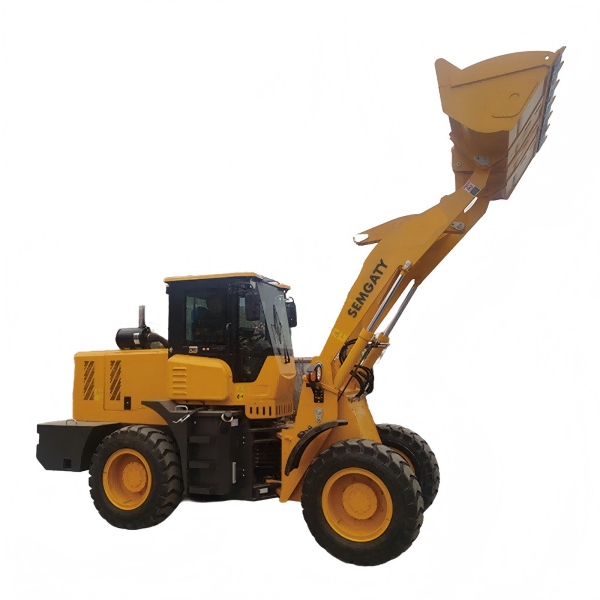
Sand and gravel yards feature high-intensity cyclic operation, heavy material load and continuous abrasive working environments, placing stringent requirements on power performance of construction loaders. Scientific power matching serves as the core premise for stable equipment operation, efficient material handling and low-loss long-term service. Blind power configuration and random model selection easily trigger power insufficiency, excessive fuel consumption and accelerated component wear in harsh yard scenarios.
articulating wheel loader and
compact front end loader require targeted professional power matching schemes to adapt to unique sand and gravel construction characteristics. Professional power matching guidance eliminates configuration mismatches and maximizes comprehensive operational benefits for yard engineering projects.
Sand and gravel material properties impose unique load demands on loader power systems. Bulk gravel, crushed stone and mixed sand materials feature high density, strong friction and large shoveling resistance compared with ordinary soil and loose fillers. Unmatched power parameters fail to provide sufficient torque for deep material shoveling and full-bucket loading. Professional power matching calibrates engine torque, hydraulic power and traction output to overcome material resistance and maintain continuous efficient operation in frequent cyclic shoveling tasks.
High-frequency continuous operation mode of sand and gravel yards tests power system durability. Yard production lines require non-stop equipment operation for long working hours with minimal downtime intervals. Power configurations without professional matching suffer sustained power attenuation and structural fatigue under long-duration full-load operation. Tailored power matching standards enhance power system stability, reduce cyclic load loss and avoid frequent equipment shutdowns caused by power configuration defects.
Reasonable power matching effectively controls long-term fuel consumption of yard loaders. Excess power configuration creates unnecessary power surplus and elevated fuel expenditure during repetitive medium-load tasks. Insufficient power configuration forces long-term full-throttle operation and increases unit fuel consumption to meet construction demands. Professional parameter calibration balances power output and energy utilization rate to achieve energy-saving and high-efficiency operation for long-cycle yard production.
compact front loader gains prominent operational advantages through professional power matching for small-scale gravel yard scenarios. Miniaturized production yards and decentralized material stacking areas require flexible light-to-medium load operation. Customized low-displacement high-torque power configurations match lightweight body characteristics of such loaders. Accurate power matching avoids performance waste and reduces daily operating costs for small-batch sand and gravel sorting and loading tasks.
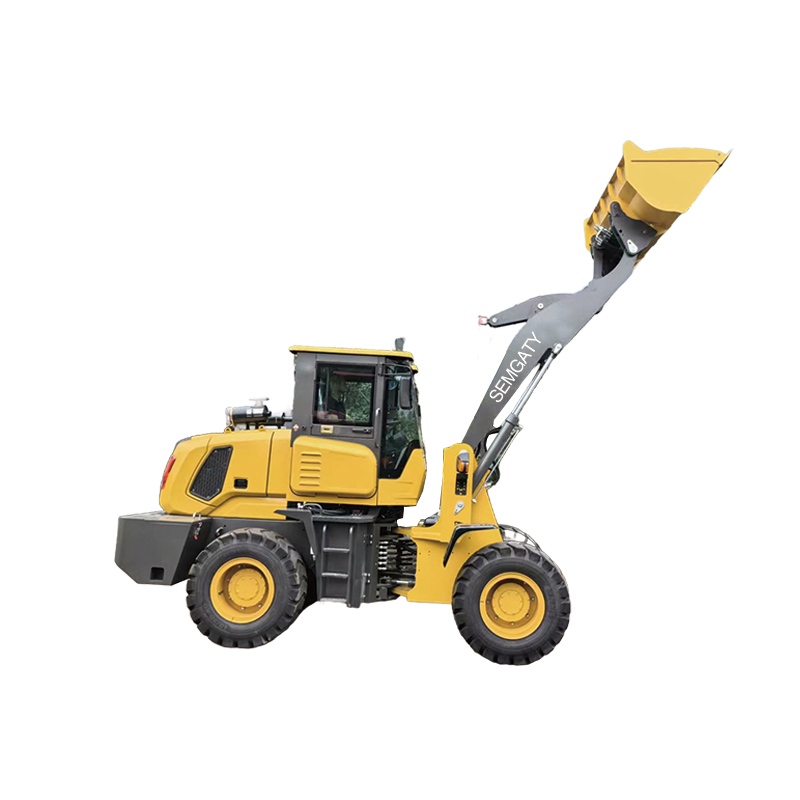
Terrain and site conditions of gravel yards require adaptive power parameter adjustment. Unpaved yard ground, accumulated gravel layers and uneven stacking zones generate variable running resistance and load pressure. Generalized factory power configurations lack targeted adaptability to complex yard terrains. Professional power matching optimizes traction power and hydraulic response parameters to adapt to fluctuating ground resistance and ensure stable traveling and shoveling performance.
Power matching optimization reduces mechanical failure risks in abrasive yard environments. Hard gravel particles cause continuous abrasion and impact on loader buckets, chassis and power transmission components. Mismatched power systems amplify structural impact and component wear during material shoveling and dumping. Professional power matching buffers instantaneous impact load, stabilize power transmission rhythm and extend service life of vulnerable parts in harsh abrasive working conditions.
articulating wheel loader relies on professional power matching to exert terrain adaptation advantages in large gravel yards. Large-scale gravel processing bases contain wide operation ranges, frequent site transfers and complex undulating terrains. Matched high-torque power systems cooperate with articulated chassis structures to provide strong climbing performance and cross-country traction. Targeted power configuration guarantees stable power output during slope operation and long-distance material transfer processes.
Hydraulic and engine power coordination determines overall working efficiency of yard loaders. Many equipment failures in gravel yards stem from uncoordinated power output between engine and hydraulic systems. Mismatched power parameters cause slow hydraulic response, incomplete bucket filling and frequent material spilling. Professional power matching realizes synchronous output of engine power and hydraulic pressure, improving single-bucket loading capacity and overall yard production efficiency.
Graded power matching adapts tiered production demands of different gravel yard scales. Small private yards focus on low-cost continuous operation with stable basic power output. Large industrial gravel bases pursue high-efficiency mass production with high-power reserve capacity. Professional matching suggestions classify power configuration standards according to yard production volume, working hours and task intensity to avoid blind configuration upgrading or underpowered equipment selection.
compact front end loader achieves optimal comprehensive performance via professional power matching for medium-scale gravel yards. Medium-sized yards integrate material stacking, short-distance transportation and vehicle loading tasks with mixed load intensity. Balanced power configuration schemes match moderate power reserve and flexible hydraulic output. Scientific power matching adapts to alternating heavy and medium-load tasks, balancing construction efficiency and equipment durability.
Professional power matching improves equipment safety in high-intensity yard operation. Unreasonable power allocation leads to unbalanced body stress during full-load shoveling and rapid traveling. Excessive instantaneous power output causes chassis tilt and operational instability in gravel stacking areas. Calibrated power output parameters control stable load bearing and power transmission, eliminating rollover and sliding risks induced by power mismatching.
Long-term equipment residual value benefits from standardized power matching design. Loaders with professionally matched power systems maintain stable performance attenuation rules and low failure rates after years of yard operation. Reasonable power configuration avoids excessive component loss and structural damage. Stable operational performance preserves higher market residual value compared with randomly configured equipment after long-cycle harsh environment operation.
Power matching optimization reduces maintenance pressure for gravel yard equipment teams. Mismatched power structures produce frequent hidden faults in engines, hydraulic pumps and transmission systems. Increased fault frequency raises maintenance workload and spare parts replacement costs. Professional power matching minimizes abnormal component wear, stabilizes equipment operating state and simplifies daily maintenance management for yard machinery.
Scenario-based power matching forms differentiated selection systems for mainstream loader models. Light-load repetitive operation of
compact front loader adopts energy-saving precise power matching to control operational costs. Complex terrain heavy-load operation of
articulating wheel loader uses high-reserve power matching to ensure construction stability. Multi-task mixed operation of
compact front end loader implements balanced power matching to maximize comprehensive production capacity.
Professional power matching consultation becomes indispensable support for gravel yard equipment procurement and operation. In-depth analysis of yard working intensity, material characteristics and site environment provides accurate configuration guidance for loader selection and parameter tuning. Standardized power matching schemes eliminate information asymmetry in equipment procurement and operational management. Scientific power configuration strategies stabilize production efficiency, reduce comprehensive costs and support sustainable high-efficiency operation of global sand and gravel processing projects.