Importance of Reasonable Hydraulic Pipeline Layout for Compact Loader Performance
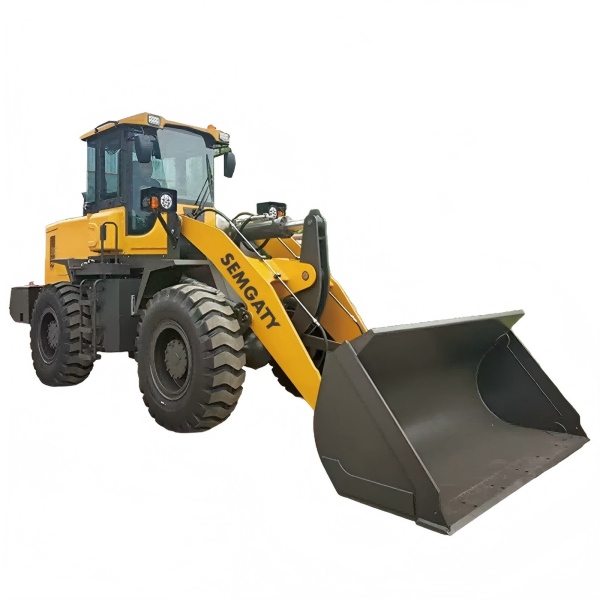
Hydraulic pipeline layout constitutes a core structural design of compact loaders, directly determining hydraulic transmission efficiency, operational stability and long-term structural durability. Scientific pipeline arrangement realizes smooth hydraulic oil circulation, uniform pressure transmission and effective structural protection during full-cycle equipment operation. Unreasonable pipeline distribution leads to oil flow resistance, pressure loss, pipeline abrasion and frequent hydraulic faults.
articulating wheel loader and
compact front end loader adopt optimized modular hydraulic pipeline layouts to adapt to diverse construction scenarios. Standardized pipeline design standards deliver comprehensive improvements in equipment working efficiency, safety performance and maintenance convenience.
Reasonable hydraulic pipeline layout reduces oil flow resistance and pressure loss in transmission processes. Professional pipeline planning avoids sharp bending, long-distance winding and irregular folding of hydraulic pipelines. Straight and smooth oil circuit routes ensure stable flow speed and uniform hydraulic pressure output. Reduced pipeline resistance minimizes power consumption during hydraulic system operation. Optimized oil transmission efficiency converts more engine power into mechanical working force and improves overall construction output of loader equipment.
Scientific layout planning effectively lowers hydraulic oil leakage risks for long-term operation. Standardized pipeline positioning reserves reasonable installation gaps and avoids long-term friction between pipelines and metal structures. Fixed pipeline clamps and ordered arrangement prevent pipeline distortion, stretching and extrusion during body movement. Uniform stress distribution on pipeline bodies and sealing joints eliminates partial pressure concentration, greatly reducing seepage and leakage probability of hydraulic systems.
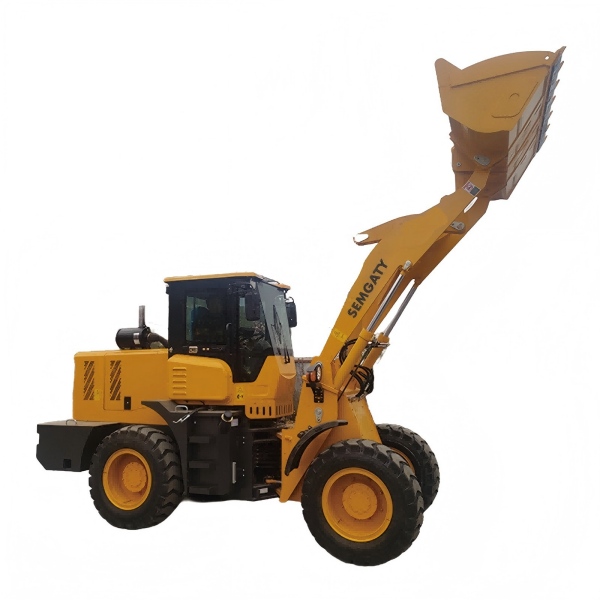
Rational hydraulic layout enhances equipment adaptability to dynamic operation states. Loader working processes involve frequent steering, lifting, walking and terrain adaptation actions. Well-designed pipeline layouts reserve sufficient stretching space for body deformation and angle adjustment. Reserved movable margins avoid pipeline tension damage during chassis torsion and body bending. Flexible space matching guarantees normal hydraulic system operation under dynamic working conditions.
compact front loader benefits significantly from standardized compact hydraulic pipeline layout. Lightweight body structure of such loaders requires concise and efficient oil circuit arrangement to save internal chassis space. Reasonable pipeline classification and centralized fixation avoid messy line distribution inside narrow body structures. Optimized layout reduces pipeline mutual interference and maintains stable hydraulic response for daily light-load construction tasks.
Ordered hydraulic pipeline layout simplifies daily maintenance and fault detection work. Classified arrangement of high-pressure pipelines, low-pressure pipelines and oil return pipelines forms clear structural hierarchy. Standardized marking and orderly distribution help maintenance staff quickly locate pipeline faults, aging positions and leakage points. Clear pipeline layout shortens maintenance time, reduces fault processing difficulty and improves equipment after-sales service efficiency.
Optimized pipeline structural arrangement improves overall anti-vibration performance of hydraulic systems. High-frequency vibration generated by engine operation and ground traveling transmits to chassis internal structures. Reasonable pipeline fixation spacing and buffer protection design weaken vibration conduction amplitude. Reduced vibration friction between pipelines and accessories delays pipeline aging speed and extends service life of hydraulic circuit components.
articulating wheel loader relies on targeted hydraulic pipeline layout to adapt to articulated body characteristics. Unique hinge movement of articulated chassis brings frequent relative displacement of front and rear bodies. Professional segmented pipeline layout and flexible connecting structures coordinate body steering and terrain adaptation actions. Specialized layout design prevents pipeline breakage, oil circuit blockage and pressure instability caused by long-term articulated movement.
Standardized hydraulic layout upgrades equipment safety performance in harsh construction environments. Construction sites with gravel splashing, muddy water soaking and floating dust test external protection capacity of hydraulic pipelines. Reasonable hidden layout and barrier protection design avoid direct contact between pipelines and external harsh substances. Optimized spatial arrangement reduces impact damage, corrosion and dust accumulation on hydraulic pipelines in open-air operation.
Uniform pipeline layout realizes balanced pressure output of multi-channel hydraulic systems. Loader operation requires coordinated work of lifting cylinder, dumping cylinder and steering hydraulic components. Scientific pipeline shunting and layout planning ensure consistent oil supply pressure and flow rate of each functional component. Balanced hydraulic output realizes synchronous and stable action of all working mechanisms and improves construction precision.
compact front end loader adopts balanced hydraulic pipeline layout suitable for multi-scenario medium-load operation. Moderate pipeline length and standardized bending angle settings adapt to frequent working state switching. Optimized matching between pipeline layout and hydraulic system parameters maintains stable power output under medium-load cyclic operation. Comprehensive layout advantages balance operational efficiency and structural durability for versatile engineering tasks.
Precise hydraulic pipeline layout reduces equipment energy consumption in long-term operation. Disordered pipeline arrangement and excessive bending increase oil flow resistance and invalid power loss. Optimized linear layout minimizes oil transmission paths and reduces hydraulic system load. Lower energy consumption realizes energy-saving operation while ensuring stable working performance, improving economic benefits of long-term equipment operation.
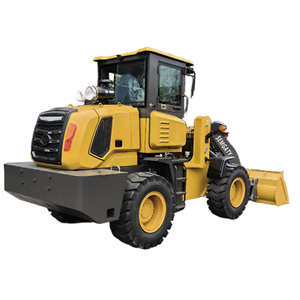
Reasonable pipeline space reservation facilitates subsequent equipment upgrading and accessory replacement. Standardized layout modes reserve sufficient overhaul space for core hydraulic components and pipeline accessories. Open and ordered internal structure supports quick disassembly and assembly of aging pipelines and faulty parts. Convenient component replacement mode reduces equipment downtime and improves continuous construction capacity of engineering projects.
Professional hydraulic layout design delays overall aging progress of hydraulic systems. Ordered pipeline arrangement avoids mutual friction and extrusion between adjacent pipelines. Uniform stress bearing state of all hydraulic components eliminates local premature aging caused by concentrated load. Synchronized aging progress of pipeline systems maintains long-term stable working performance of loaders.
Differentiated pipeline layout schemes match diversified loader operation positioning. Light-duty frequent operation of
compact front loader adopts concise compact layout to improve space utilization and maintenance efficiency. Complex terrain dynamic operation of
articulating wheel loader applies flexible segmented layout to adapt to chassis movement changes. Multi-functional medium-load operation of
compact front end loader uses balanced standardized layout to ensure comprehensive performance stability.
High-quality hydraulic pipeline layout acts as invisible core competitiveness of compact loader products. Scientific structural design optimizes hydraulic transmission efficiency, reduces failure rates, extends equipment service life and lowers maintenance costs. Strict implementation of standardized pipeline layout standards in manufacturing processes improves overall product quality and market adaptability of compact loaders, providing reliable structural guarantee for efficient and safe construction in global engineering fields.