Influence of Engine Maintenance Cycle on Overall Service Life of Compact Loaders
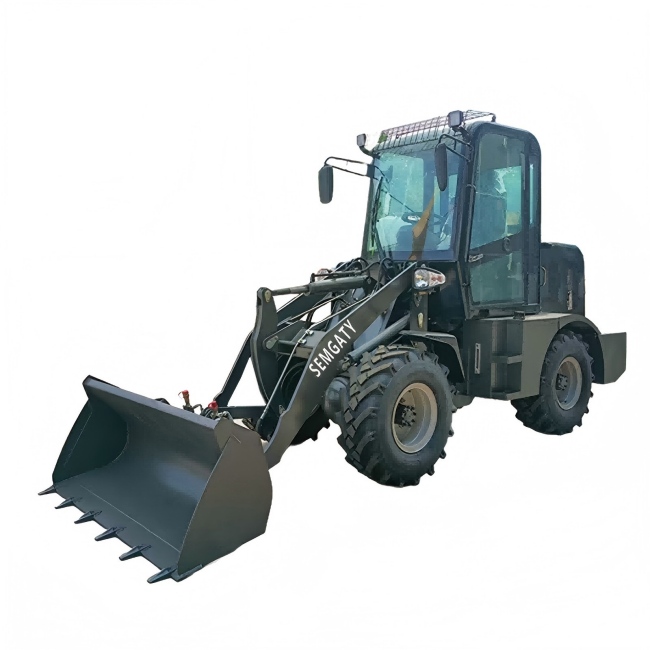
Engine maintenance cycles represent core management standards for long-term stable operation of compact construction loaders. Scientific and periodic maintenance routines effectively relieve component wear, reduce mechanical fatigue and retain original power performance of engineering machinery. Irregular maintenance intervals and delayed component overhaul lead to progressive engine aging, power attenuation and frequent operational faults.
articulating wheel loader and
compact front end loader rely on standardized engine maintenance schemes to maintain stable working state in long-cycle engineering operation. Strict adherence to professional maintenance cycles extends equipment service life and lowers comprehensive operational costs for construction enterprises.
Fixed daily maintenance cycles form the basic guarantee for sustained engine health. Daily inspection items cover engine oil level detection, dust component cleaning, pipeline sealing check and abnormal noise observation. Short-cycle daily maintenance eliminates tiny hidden faults generated during high-frequency operation. Timely removal of surface dust and residual sundries prevents long-term accumulation from blocking heat dissipation structures and air intake systems. Sustained basic maintenance maintains stable engine operating temperature and combustion efficiency for daily construction tasks.
Weekly maintenance cycles focus on systematic inspection of engine auxiliary operating components. Core detection contents include filter element condition, fuel pipeline smoothness, lubrication system activity and fastening state of engine fixing bolts. Regular cleaning or replacement of preliminary filter parts avoids impurity infiltration into engine internal structures. Standard weekly maintenance routines stabilize fuel combustion quality and reduce abrasion of precision internal components caused by impure fuel delivery.
Monthly maintenance cycles target deep engine performance calibration and wear detection. Professional maintenance operations contain engine oil replacement, lubricating grease supplementation and running state testing under load conditions. Long-term operational friction causes gradual attenuation of lubricating performance and increases component wear speed. Timely replacement of degraded engine oil maintains effective lubrication protection for crankshaft, piston and transmission structures inside engine assemblies.
compact front loader obtains obvious service life improvement through standardized short-cycle engine maintenance. Light-load operation characteristics of such equipment lead to stable engine loss rules and fixed maintenance cycle standards. Strict implementation of daily and monthly maintenance schemes avoids early aging of power systems under conventional working conditions. Regular maintenance effectively delays performance attenuation and retains consistent operational state for long-term light-load cyclic construction.
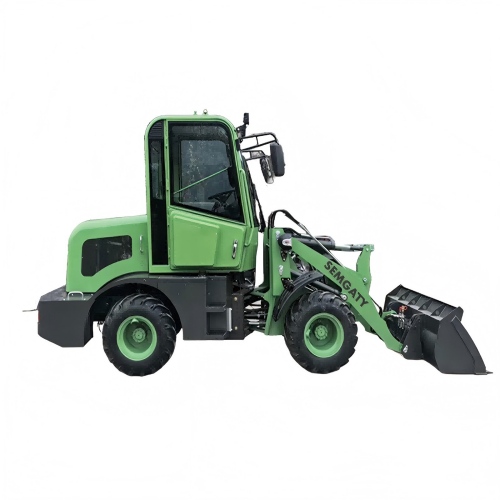
Quarterly maintenance cycles undertake comprehensive engine performance detection and aging component replacement. Key maintenance items involve air filter replacement, fuel nozzle calibration, turbo system inspection and cooling system cleaning. Long-term construction operation causes minor blockage of cooling pipelines and deviation of fuel injection precision. Systematic quarterly maintenance restores original engine working parameters and eliminates potential faults affecting power output stability.
Semi-annual maintenance cycles focus on engine overall performance debugging and structural detection. Professional maintenance teams conduct disassembly inspection of precision internal parts, calibration of power torque parameters and testing of sealing system tightness. Long-term load operation brings subtle structural deformation and component fatigue unable to be found through daily inspection. Semi-annual deep maintenance repairs hidden structural defects and recovers full engine performance.
articulating wheel loader demands stricter periodic engine maintenance standards for complex terrain operation. Frequent slope traveling, muddy ground operation and variable load conditions accelerate engine loss and impurity accumulation. Shortened partial maintenance cycles adapt to high-intensity working environments and offset accelerated component wear. Standardized maintenance management protects core power structures and guarantees long service life for terrain-adaptive loader equipment.
Annual overhaul maintenance cycles determine long-term service life ceiling of loader engines. Full-scale engine overhaul covers internal component wear measurement, pipeline aging inspection, power system calibration and overall cleaning of combustion chambers. Long-year continuous operation produces carbon deposition, component abrasion and sealing aging inside engine structures. Comprehensive annual overhaul eliminates accumulated fatigue damage and restores optimal working performance of aging engines.
Irregular maintenance cycles induce progressive damage to engine core components. Delayed filter replacement causes massive impurity accumulation inside combustion chambers and accelerates cylinder wall abrasion. Overdue engine oil use weakens lubrication effects and increases friction loss of moving parts. Random maintenance intervals break stable engine operation rules and lead to irreversible structural damage that shortens overall equipment service life.
compact front end loader achieves balanced service life extension through hierarchical engine maintenance cycles. Medium-load multi-scenario operation brings mixed engine loss characteristics different from single working condition equipment. Matching maintenance cycles with operation intensity avoids excessive maintenance cost or insufficient protection. Scientific hierarchical maintenance mode stabilizes comprehensive performance and prolongs service cycle of medium-sized compact loader equipment.
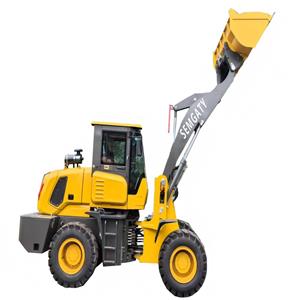
Maintenance cycle adjustment based on working environment optimizes engine protection effects. High-dust sand yard construction requires shortened air filter maintenance cycles to prevent dust blockage. High-altitude and low-temperature regions need enhanced lubrication system maintenance to adapt to variable oil activity. Humid muddy construction sites increase inspection frequency of engine sealing and electrical systems. Environment-based cycle adjustment eliminates targeted operational risks.
Maintenance cycle compliance directly influences equipment failure rate and residual value. Loaders with strict maintenance cycle management show lower fault frequency, more stable power performance and higher market residual value after years of operation. Timely maintenance investment avoids high-cost component replacement and engine overhaul in later stages. Standardized cycle management creates long-term economic benefits for equipment operation and asset preservation.
Excessively prolonged maintenance cycles cause cumulative engine performance degradation. Carbon deposition accumulation reduces combustion efficiency and leads to increased fuel consumption. Unreplenished lubricating oil causes dry friction of internal components and accelerates structural wear. Long-term lack of deep maintenance leads to gradual power attenuation, insufficient load capacity and shortened effective service life of entire loader equipment.
Reasonable maintenance cycle arrangement balances operational cost and equipment service life. Excessively frequent maintenance brings unnecessary labor and material cost waste. Blindly prolonged maintenance cycles induce hidden mechanical faults and irreversible damage. Professional maintenance schemes formulated according to equipment model, operation intensity and working environment realize optimal matching of maintenance cost and service life benefits.
Differentiated maintenance cycle strategies maximize equipment utilization value. Regular light-load operation of
compact front loader follows standard factory maintenance cycles to maintain stable performance. High-intensity complex terrain operation of
articulating wheel loader adopts shortened targeted maintenance cycles to resist accelerated wear. Multi-scenario mixed operation of
compact front end loader implements flexible hierarchical maintenance cycles for long-term service life guarantee.
Scientific engine maintenance cycle management acts as core strategy for extending loader service life. Full-cycle maintenance covering daily inspection, regular replacement and annual overhaul forms complete equipment protection system. Strict implementation of standardized maintenance rules eliminates hidden faults, delays component aging and stabilizes power performance. Standardized maintenance management effectively improves comprehensive utilization value and service cycle of compact loaders in global engineering construction fields.