Influence of Wheelbase and Track Width on Body Stability of Compact Loaders
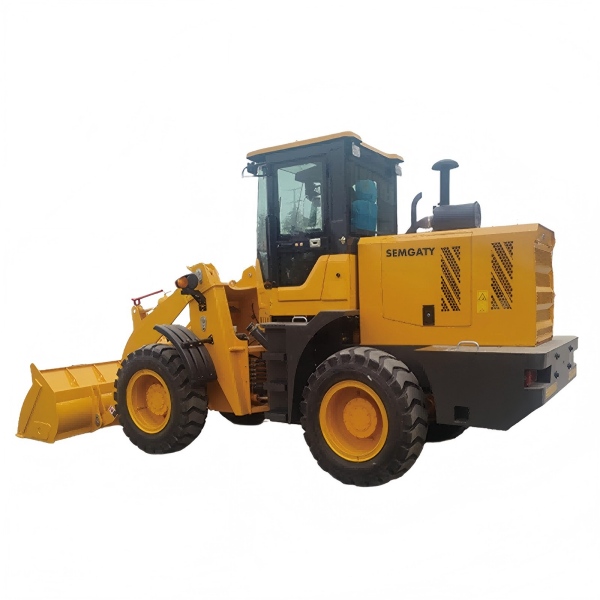
Body stability stands as a core performance indicator for compact loaders in complex engineering operation scenarios. Wheelbase and track width represent two fundamental chassis parameters determining mechanical balance, anti-roll capacity and traveling safety of small construction machinery.
articulating wheel loader and
compact front end loader adopt professionally calibrated wheelbase and track width schemes to adapt to diverse terrain and load conditions. Deep analysis of chassis parameter functions helps manufacturers optimize product design and assists overseas buyers in selecting stable and reliable loader equipment for construction projects.
Wheelbase refers to linear distance between front and rear wheel centers of loader bodies, serving as the key basis for body longitudinal stability. Reasonable wheelbase configuration effectively disperses longitudinal load pressure generated by bucket shoveling, material lifting and forward traveling. Moderately extended wheelbase reduces body pitching amplitude during sudden start, braking and load bearing processes. Proper longitudinal chassis layout avoids forward tilting or backward overturning risks under full-load working states and improves continuous operation stability.
Track width defines transverse spacing between left and right wheels, dominating transverse balance and anti-skid performance of loaders. Wider track width expands transverse stress support range of chassis structures and lowers overall body gravity center. Such parameter design greatly enhances anti-rollover capacity during side slope traveling, turning operation and eccentric load bearing. Standardized track width calibration restrains body swing and unilateral tilt on uneven ground to maintain balanced traveling posture.
Matching relation between wheelbase and track width forms scientific stability system for compact loader chassis. Single parameter optimization fails to achieve comprehensive balance of mechanical performance. Excessively long wheelbase with narrow track width causes insufficient transverse stability and increases side roll risks. Overly wide track width with short wheelbase weakens longitudinal load resistance and leads to obvious body pitching. Coordinated parameter matching realizes mutual complementation of longitudinal and transverse stability advantages.
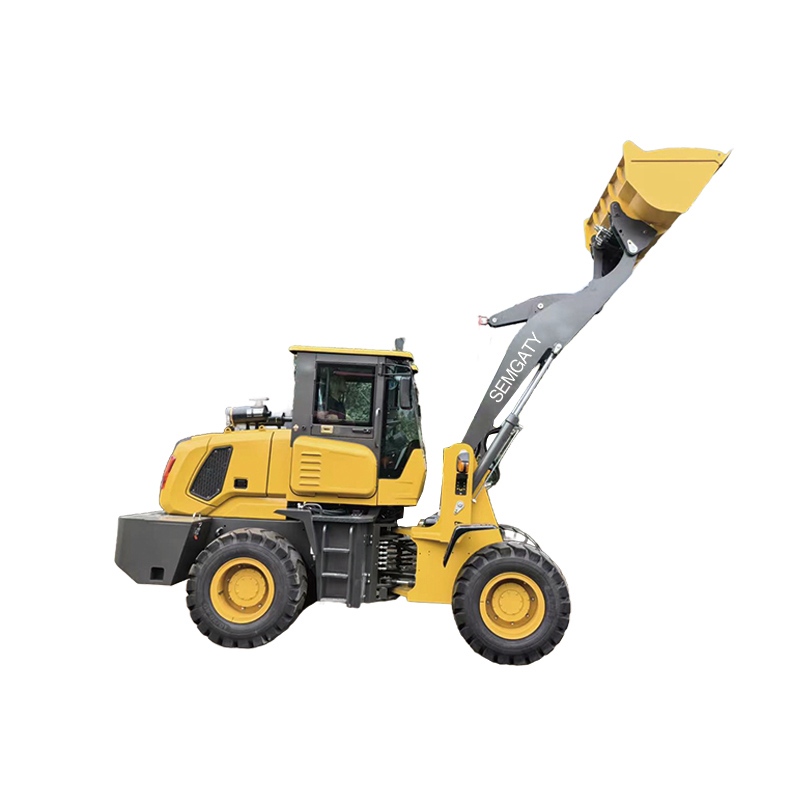
compact front loader adopts optimized short wheelbase and moderate track width design for light-load flexible operation scenarios. Compact longitudinal chassis structure improves equipment maneuverability in narrow construction spaces. Standard track width configuration maintains basic transverse balance during daily material handling and site leveling. Parameter combination adapts to low-load and low-gradient working environments while retaining flexible steering and efficient traveling performance.
Wheelbase parameters directly affect load bearing uniformity of loader chassis structures during operation. Loaders undertake concentrated front-end pressure when buckets carry heavy materials. Appropriate wheelbase length transfers front-end load to rear chassis and walking components evenly. Uniform stress distribution reduces fatigue wear of front tires, steering joints and hydraulic supporting structures. Scientific wheelbase setting prolongs service life of core chassis parts under long-term load operation.
Track width optimization upgrades terrain adaptation stability on rugged and muddy road surfaces. Uneven ground produces inconsistent supporting height for left and right wheels. Reasonable track width enlarges chassis tolerance range for terrain fluctuation and reduces body inclination angle. Reliable transverse supporting capacity prevents tire empty load and unilateral stress concentration, ensuring continuous stable traveling on pitted and undulating construction grounds.
articulating wheel loader relies on exclusive wheelbase and track width matching to realize superior complex terrain stability. Articulated body structures bring special stress characteristics during steering and slope operation. Customized wheelbase parameters balance front and rear body load distribution to avoid torsion deformation of middle hinge joints. Widened track width enhances anti-skid and anti-roll performance for gradient construction and cross-country traveling scenarios.
Chassis parameter standards differentiate stability performance under static and dynamic working states. Static load tests verify body balance of loaders in stationary shoveling and stacking operation. Dynamic traveling tests check stability during high-speed moving, turning and obstacle crossing. Reasonable wheelbase and track width coordination guarantees stable static load bearing and reliable dynamic anti-vibration performance to adapt to variable field working conditions.
Unreasonable chassis parameter matching induces multiple operational safety hazards. Undersized wheelbase leads to severe body pitching and easy forward overturning under heavy load. Excessively long wheelbase reduces steering flexibility and increases chassis collision risks in narrow sites. Narrow track width causes poor transverse stability and frequent body shaking on sloped terrains. Scientific parameter calibration eliminates potential safety risks from structural design sources.
compact front end loader applies balanced wheelbase and track width schemes to adapt to medium-load multi-scenario operation. Moderate wheelbase length guarantees sufficient longitudinal load resistance for conventional earthwork tasks. Standard widened track width maintains stable transverse posture during frequent scene switching. Comprehensive chassis parameter advantages balance operational flexibility and overall body stability for municipal and farmland construction.
Wheelbase adjustment influences braking stability and traveling smoothness of compact loaders. Reasonable wheelbase layout shortens braking distance and avoids body forward drifting during emergency deceleration. Stable longitudinal stress state reduces chassis vibration and improves traveling smoothness on gravel roads. Optimized braking performance and smooth operation effectively upgrade overall construction safety and working efficiency.
Track width design correlates closely with tire friction and ground grabbing performance. Reasonable transverse wheel spacing makes full use of tire anti-skid patterns to increase ground contact area. Improved friction performance reduces skidding probability on wet and slippery ground. Uniform transverse stress on four wheels avoids partial tire abrasion and ensures consistent walking performance of all chassis traveling components.
Terrain-based chassis parameter selection maximizes field stability performance. Flat ground daily operation matches standard wheelbase and track width parameters to balance flexibility and stability. Sloped and uneven terrain construction requires widened track width to enhance anti-roll capacity. Heavy-load material handling scenarios need extended wheelbase to disperse front-end load pressure and suppress body pitching.
Different chassis parameter configurations shape differentiated product positioning of mainstream loader models. Flexible light-load operation of
compact front loader benefits from compact wheelbase and standard track width for agile site adaptation. Complex terrain operation of
articulating wheel loader depends on optimized wheelbase and widened track width for reliable stability. Multi-scenario medium-load tasks of
compact front end loader gain balanced performance from coordinated chassis parameter matching.
Continuous chassis parameter optimization drives upgrading of compact loader stability performance. Modern manufacturing enterprises iterate wheelbase and track width schemes according to diversified construction scenario data. Precision calibration of chassis structural parameters eliminates performance defects caused by unreasonable matching. Scientific chassis design improves equipment safety, operational stability and environmental adaptability, creating higher application value for global engineering construction.