Influence of Whole-Machine Sheet Metal Thickness on Loader Crash Resistance
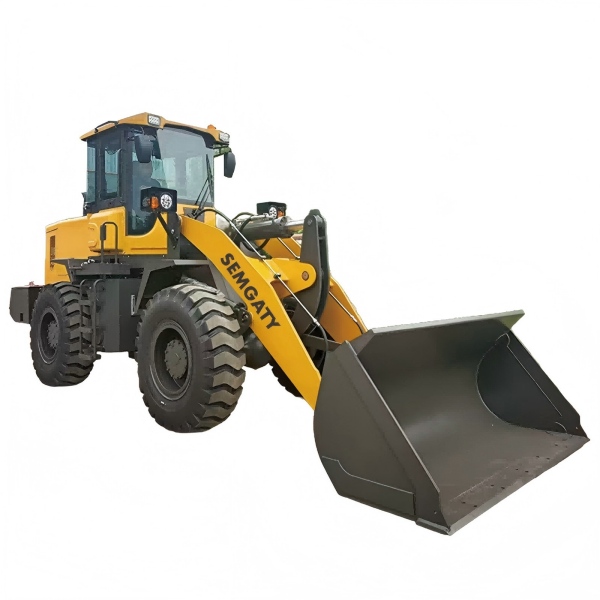
Construction sites feature dense mechanical operation, narrow working spaces and frequent material collision, bringing continuous impact damage to engineering loading machinery. Sheet metal components constitute the outer protective structure and auxiliary load-bearing system of construction machinery. Different sheet metal thickness standards bring obvious differences in structural toughness, impact resistance and deformation recovery capacity for loading equipment.
Loader adopting standardized thickened sheet metal materials maintains complete structural integrity in frequent collision scenarios. Reasonable matching of sheet metal thickness parameters effectively improves overall crash resistance and operational safety of industrial
Loader in complex construction environments.
Sheet metal thickness directly determines basic impact bearing capacity of equipment outer structures. Ordinary construction machinery adopts thin sheet metal materials with simple stamping forming to control manufacturing costs. Thin plate structures generate permanent deformation, surface denting and edge cracking under slight external impact. Structural gaps and damaged protective layers further accelerate internal component aging and corrosion. Professional thickness matching design for wheel loader machine focuses on working impact characteristics of engineering scenarios. Thickened sheet metal configurations for cab outer panels, engine compartment shells and side protective plates enhance overall structural rigidity. Upgraded sheet metal thickness standards greatly upgrade collision defense performance of commercial wheel loader machine in daily high-frequency operation.
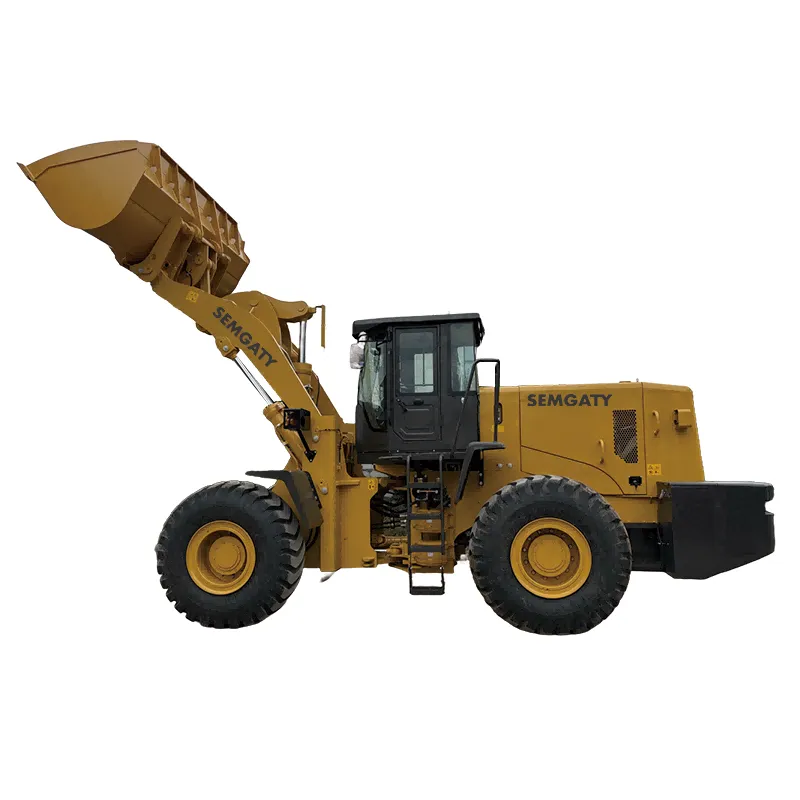
Key bearing sheet metal thickness changes reshape core crash resistance performance of heavy-duty loading equipment. Boom side plates, frame outer protective plates and bucket connecting plates bear most collision force in construction work. Insufficient thickness of these core sheet metal parts leads to stress concentration and local fracture under strong impact load. Scientific thickness grading design serves as the key optimization method for
big wheel loader used in mining and heavy earthwork projects. Targeted thickening treatment for high-impact areas disperses instantaneous collision pressure and avoids structural damage. Graded thickness layout ensures balanced stress bearing and stable collision resistance of heavy-duty
big wheel loader under extreme working conditions.
Uniform sheet metal thickness distribution avoids local structural weakness of loading machinery. Many ordinary loading devices adopt uneven sheet metal thickness design for cost control. Partial thin plates form fragile structural areas prone to damage during equipment collision. Irregular structural damage further affects equipment operating precision and increases maintenance difficulty. Whole-machine unified thickness standard eliminates fragile structural areas and realizes consistent impact resistance across all equipment surfaces. Balanced structural stress distribution prevents concentrated damage caused by accidental collision from external obstacles or bulk materials. Overall structural stability of loading machinery obtains reliable guarantee through standardized sheet metal thickness layout.
Thickened sheet metal structures promote fatigue resistance under repeated collision impact. Construction operation involves continuous low-intensity collision and long-term vibration impact instead of single heavy collision. Thin sheet metal materials produce alternating structural deformation under repeated force impact, resulting in metal fatigue and latent crack expansion. Thickened high-quality steel plates maintain stable structural shape and internal stress balance under long-term cyclic impact. Enhanced metal fatigue resistance effectively reduces invisible structural damage accumulated in daily construction. Extended structural service cycle lowers replacement frequency of sheet metal accessories and overall operation costs of construction equipment.
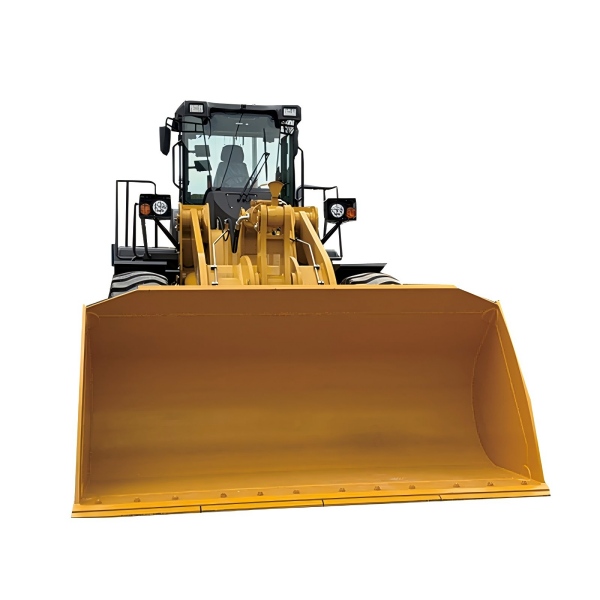
Sheet metal thickness cooperates with material toughness to upgrade comprehensive collision protection capability. Single thickness increase without material performance matching fails to achieve ideal crash resistance effect. High-quality thickened sheet metal materials combine proper thickness parameters with high tensile strength and ductility. Such material characteristics enable structural bending and buffer energy absorption during collision processes instead of brittle cracking. Composite performance advantages offset impact force generated by material shoveling, equipment scraping and obstacle collision. Perfect coordination of thickness parameters and material properties maximizes structural protection effects for whole construction machinery.
Cab sheet metal thickness improvement optimizes personnel safety protection level. Cab acts as the core safety protection area for equipment operators in construction work. Collision and rolling accidents pose great threats to internal personnel safety. Thickened integral stamping sheet metal for cab surrounding structures improves anti-collision and anti-extrusion capacity. Reinforced top plate and side plate thickness standards resist impact damage from falling stones and rolling equipment. Closed thickened sheet metal structures form stable safety protection spaces and reduce injury risks caused by external mechanical collision in harsh working sites.
Engine compartment sheet metal thickness enhances internal component anti-collision protection. Engine and hydraulic accessories belong to precision core components with high maintenance costs. External collision and hard object impact easily cause shell deformation and internal component extrusion damage. Appropriately increased sheet metal thickness for engine compartment outer shells provides effective buffer protection for internal precision parts. Thickened structural plates block external impact force and avoid direct collision extrusion on core power components. Complete outer protection structures reduce equipment failure probability caused by external mechanical impact during complex construction operations.
Reasonable sheet metal thickness control balances crash resistance and equipment operating performance. Blind thickness increase causes excessive self-weight of equipment, increased fuel consumption and reduced operating flexibility. Professional manufacturing standards formulate targeted thickness parameters according to different component stress characteristics. High-impact bearing areas adopt thickened sheet metal configuration while low-stress protective areas retain reasonable lightweight design. Scientific thickness grading realizes perfect balance among collision resistance, equipment self-weight and working efficiency. Optimized overall structural configuration ensures stable operation performance and energy-saving operation effect of loading machinery.
Strict sheet metal thickness inspection standards guarantee consistent crash resistance of finished equipment. Unqualified processing technology leads to uneven local thickness of sheet metal parts and inconsistent structural performance. Precision laser cutting and numerical control stamping technology control sheet metal thickness errors within ultra-small ranges before assembly. Professional thickness detection equipment conducts comprehensive sampling inspection on all batch components. Standardized production and inspection processes eliminate performance differences caused by processing errors. Uniform sheet metal thickness parameters ensure stable and reliable anti-collision performance of every finished loading device.
Long-term application data verifies the positive correlation between sheet metal thickness and equipment durability. Loading equipment with standardized thickened sheet metal structures shows lower structural damage rate and longer maintenance cycle in mining, quarry and road construction scenarios. Less collision deformation and structural crack problems reduce downtime loss and accessory replacement costs. Whole-machine sheet metal thickness optimization becomes a low-cost and high-efficiency upgrading scheme for improving comprehensive performance of construction loading machinery. Reliable structural anti-collision capability creates higher economic value for long-term engineering construction projects.