Key Differences in Backhoe Loader Selection for Farm Operations and Infrastructure Construction Projects
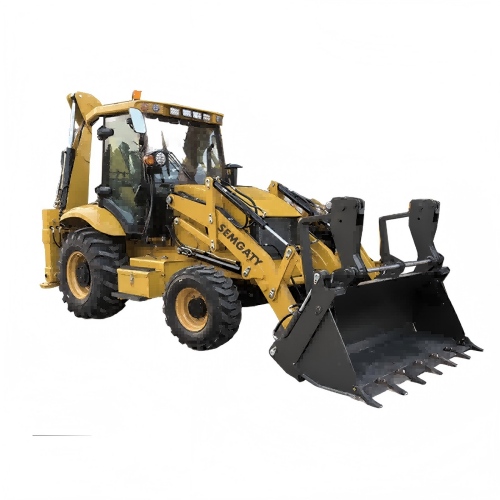
Backhoe loaders are versatile multi-functional machinery widely used in agricultural maintenance and civil infrastructure construction. Different application scenarios require differentiated mechanical performance, structural configurations and operational parameters for scientific equipment procurement. Farm operation scenarios prioritize flexible maneuverability, low soil disturbance and multi-task compatibility to adapt to soft humid soil, narrow passages and refined daily farm management. Infrastructure construction projects focus on heavy-load stability, powerful excavation force and long-duration continuous working capacity to handle compact hard ground, large-scale earthwork and strict engineering standards. Clear distinction of scenario-based selection criteria helps global purchasers avoid equipment mismatch, cut operational costs and extend overall machinery service life.
backhoe machine with professional agricultural configurations delivers lightweight, precise and low-interference operation for daily farm land renovation and facility maintenance. Industrial structural reinforcement enables heavy-duty
backhoe machine to withstand high-frequency impact and sustained heavy-load working cycles in various infrastructure projects.
Working environment differences form the core basis for differentiated backhoe loader selection between farm and construction scenarios. Most farm zones feature loose wet soil, dense crop distribution, narrow passages and scattered small-scale operation areas. Common farm tasks including fence trenching, site leveling, drainage excavation and residual soil cleaning require compact machinery with low ground pressure and sensitive micro-operation, effectively preventing soil compaction, crop root damage and vegetation destruction. Infrastructure construction sites consist of hardened pavement, compacted foundation soil, gravel stacking zones and open wide working spaces. Foundation excavation, road trimming and earth backfilling demand equipment with high breakout force, rigid structural rigidity and excellent wear resistance. Targeted technological parameter optimization adapts machinery to different working environments. Refined power output and flexible hydraulic tuning allow newly developed new backhoe to fully suit low-intensity, high-precision farm renovation work. Reinforced load-bearing components and upgraded power systems enable robust new backhoe to maintain stable output during long-hour high-intensity construction earthwork tasks.
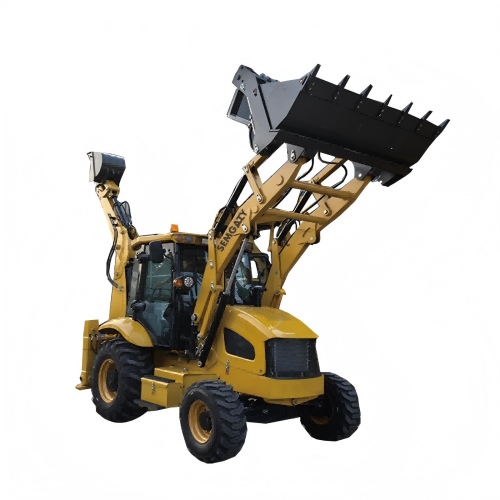
Functional demand gaps further separate farm and construction equipment selection standards. Farm operation relies on comprehensive versatility to complete diverse daily tasks with single machinery deployment, including shallow soil loosening, material stacking, trench finishing and field cleaning. Flexible position adjustment and frequent functional switching take priority over extreme digging power in agricultural scenarios. Infrastructure construction emphasizes single-task efficiency and heavy-load endurance, focusing on deep foundation grooving, large-volume soil shoveling and high-position material unloading. Dual-end working structures balance flexible adaptation and industrial working performance to meet diverse industry demands. Rich accessory compatibility and agile operation modes make practical
front loader and backhoe perfectly fit full-cycle farm maintenance and land upgrading work. Reinforced boom structures and optimized hydraulic systems greatly improve industrial working capacity of heavy-duty
front loader and backhoe for standardized infrastructure construction.
Terrain adaptation parameters serve as vital evaluation indicators for scenario-oriented backhoe loader procurement. Farm terrain mainly includes low-bearing soft soil, subtle ground undulations and persistent humid ground formed by long-term irrigation and livestock activities. Farm-specific machinery adopts wide low-pressure tires to reduce sinking risks, flexible chassis suspension to buffer terrain vibration and precise low-speed hydraulic response to ensure qualified shallow trenching and leveling results. Construction terrain covers hardened road surfaces, compact gravel layers and rugged high-hardness ground, requiring thickened wear-resistant tires, reinforced chassis frames and high-torque power assemblies to maintain stable working posture during heavy shoveling and climbing processes. Professional manufacturers launch customized agricultural and industrial versions with adjusted chassis height, tire specifications and hydraulic response logic, realizing accurate performance matching for farm refined operation and construction heavy-load operation.
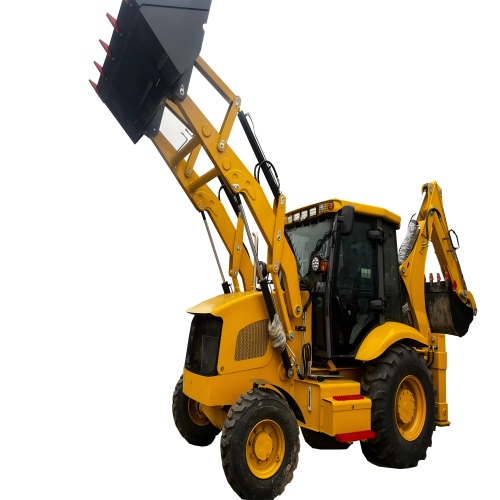
Operational intensity and precision standards create further selection differences for farm and construction backhoe loaders. Farm mechanical operation features intermittent, low-intensity and high-frequency working modes with frequent start-stop actions and short-cycle segmented construction, making flexibility and energy efficiency core selection priorities. Modern ecological farm construction requires strict low-disturbance operation to protect original soil structure, crop root systems and farm ecological balance, requiring accurate depth control and gentle soil turning to avoid vegetation damage and excessive soil disturbance. Infrastructure construction adopts high-intensity continuous working modes with long daily working hours and continuous heavy-load impact, requiring efficient heat dissipation systems and anti-fatigue structural design to maintain stable operation. Construction projects follow unified industrial specifications with strict requirements for trench uniformity, foundation flatness and earthwork regularity to meet foundation and roadbed stability demands.
Economic performance and safety configurations finalize scenario-based equipment selection principles. Farm machinery operates in scattered rural areas with limited maintenance conditions, requiring low fuel consumption, simplified structure and universal vulnerable parts to reduce long-term operational and maintenance costs. Construction machinery prioritizes stability and fault resistance, adopting high-power reinforced configurations to guarantee uninterrupted construction progress, with reasonable energy consumption and maintenance input supporting high engineering output. In terms of safety, farm working environments with dense vegetation and narrow passages require machinery with small turning radius and anti-collision structures to protect farm facilities and crops. Complex construction sites need rollover protection, overload protection and high-strength structural design to resist various operational hazards. Scientific scenario matching enables backhoe loaders to deliver maximum operational efficiency and long-term application value in both agricultural maintenance and infrastructure construction fields.