Key Selection Guidelines for Small Special Loaders Used in Breeding Farms
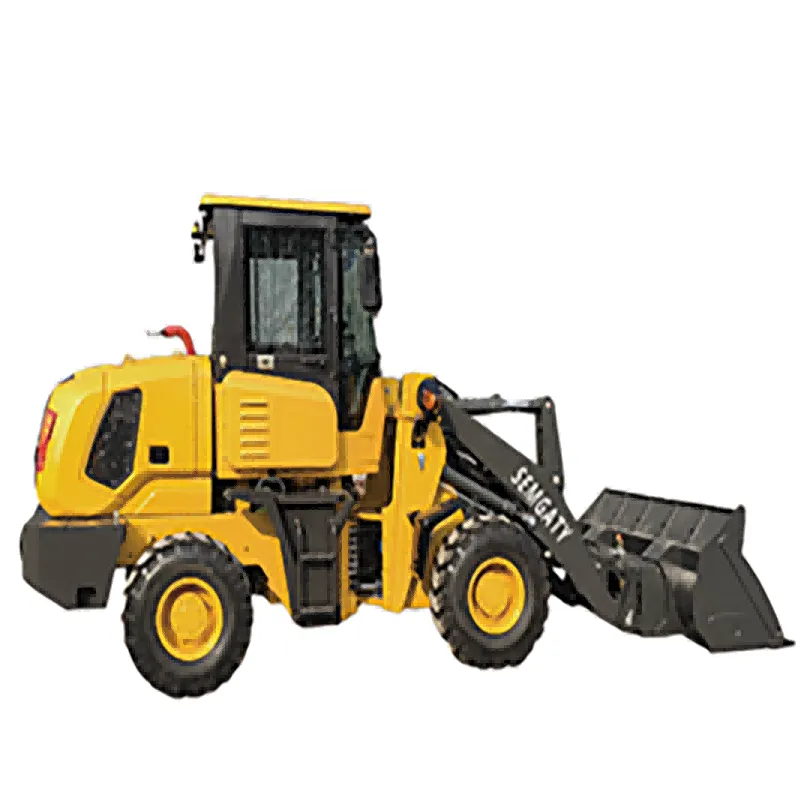
Modern breeding farm operation relies heavily on efficient mechanical equipment to complete daily feeding transportation, manure cleaning, site leveling and material stacking work. Small engineering loaders feature compact body size, flexible operation and low ground pressure, which perfectly adapt to narrow farm spaces and frequent short-distance operation demands.
articulating wheel loader and
compact front end loader have become mainstream purchasing choices for medium and small-scale breeding institutions. Scientific selection of farm-specific loaders can effectively reduce labor investment, improve daily operation efficiency and lower long-term equipment maintenance costs.
Site adaptation performance stands as the primary consideration for breeding farm loader selection. Most breeding farms feature narrow walkways, densely distributed breeding facilities and uneven internal ground. Large engineering machinery fails to flexibly shuttle in farm operation areas and may cause collision damage to breeding pens and auxiliary facilities. Small loaders with flexible body structures and sensitive steering systems can adapt to complex internal layouts of breeding farms and meet daily repeated operation needs of farm management teams.
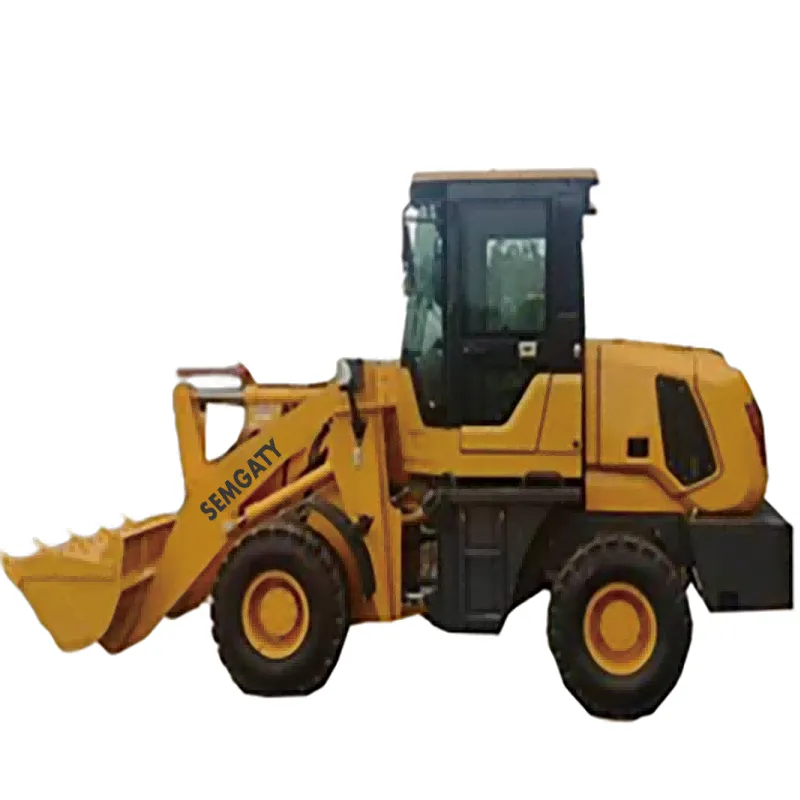
Cleanability and anti-corrosion capacity serve as core evaluation indicators for farm dedicated loaders. Breeding farm environments contain livestock manure, feed residues and humid air, which easily cause corrosion, rust and dirt accumulation on mechanical equipment surfaces and internal components. Qualified farm loaders adopt waterproof and anti-corrosion shell materials and fully enclosed core structures. Such design modes reduce dirt adhesion, simplify daily cleaning work and extend service life of mechanical components in humid and polluted working environments.
Low noise and environmentally friendly performance comply with breeding farm operation standards. Livestock and poultry groups present sensitive reactions to harsh noise and severe vibration. Mechanical equipment with excessive operating noise may trigger livestock stress response, affect feeding status and growth rhythm of breeding animals. Purchasers need to prioritize loader models with optimized mute power systems and low-vibration operation design to maintain stable breeding environment and ensure healthy growth of farm livestock and poultry.
Load capacity and operational flexibility match diversified farm operation scenarios. Daily farm work covers light-load feed transportation, medium-load manure clearance and heavy-load site residue cleaning. Reasonable load parameter configuration ensures stable operation of loaders without long-term overload wear. Flexible bucket replacement and multi-functional accessory adaptation further enrich equipment application modes and meet diversified operation demands of modern breeding farms.
compact front loader fits daily routine operation demands of conventional medium and small breeding farms. Ultra-compact body size and lightweight structural design support free passage of narrow farm passages and low-space operation areas. Stable light-load performance fully meets basic work of feed transportation, ground garbage cleaning and simple site leveling. Low energy consumption and simple maintenance modes create high cost performance for long-term continuous operation of breeding farms.
Safety configuration standards cannot be ignored in farm loader procurement. Closed operation cabins, anti-slip walking platforms and emergency braking systems constitute basic safety guarantee for farm mechanical operation. Anti-collision protection structures and limited-speed operation modes effectively avoid equipment collision with breeding facilities and livestock groups. Complete safety configurations reduce operation risks and create safe and stable working conditions for farm staff and breeding animals.
Power energy-saving performance affects long-term operating costs of breeding farms. Long-duration daily operation requires loaders to maintain stable power output while controlling fuel consumption and energy loss. High-efficiency energy-saving engines with low emission standards reduce operating costs and avoid harmful gas accumulation in relatively closed farm spaces. Reasonable power matching design avoids power waste and realizes efficient and low-consumption mechanical operation.
articulating wheel loader adapts to large-scale breeding farms with complex internal terrains and frequent steering operations. Unique articulated steering structure achieves flexible turning in limited spaces without large turning radius. Enhanced chassis stability and anti-slip tire design ensure safe travel on humid and slippery farm ground. Excellent maneuverability and stable power output support high-intensity continuous operation of large breeding bases.
After-sales service and spare parts supply capacity affect long-term farm operation stability. Breeding farm daily work presents continuous and uninterrupted characteristics. Equipment failure will directly delay manure cleaning and feed transportation progress. Purchasers need to select manufacturers with complete after-sales systems, fast maintenance response and sufficient spare parts reserves. Timely maintenance support ensures zero delay of daily farm operation and avoids economic losses caused by equipment shutdown.
Multifunctional expansion capability improves comprehensive utilization value of farm loaders. Modern breeding farms require multiple types of auxiliary mechanical work besides basic material handling. Loader models supporting quick replacement of dumping buckets, cleaning brushes and lifting accessories can meet multiple operation demands. One machine with multiple functions reduces equipment procurement quantity and saves farm equipment investment costs and storage space.
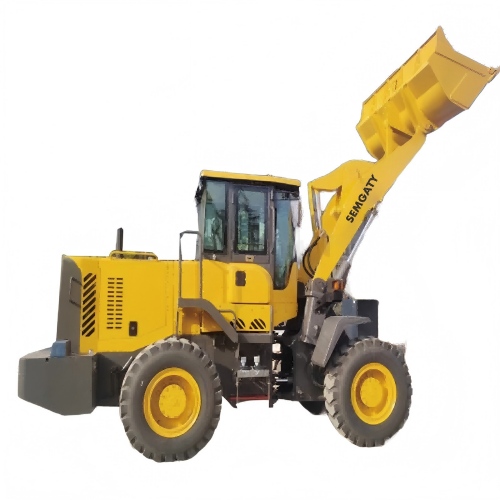
compact front end loader balances flexibility and comprehensive performance for medium-sized breeding farm construction and daily operation. Moderate body size avoids space waste while retaining sufficient load capacity and functional expansion space. Optimized hydraulic control system improves operation precision and reduces material spilling during feed and manure transportation. Balanced comprehensive performance adapts to mixed operation demands of daily management and regular farm renovation.
Durability and wear resistance of core components guarantee long-term stable operation. Frequent start-stop, repeated shoveling and humid working environments accelerate wear of tires, hydraulic parts and connecting components. High-quality wear-resistant accessories and reinforced structural design reduce component replacement frequency and daily maintenance workload. Reliable component quality lowers long-term operation input for breeding farm mechanical equipment.
Reasonable model matching based on farm scale and operation scenarios maximizes equipment value. Small family breeding farms prioritize
compact front loader for low cost and flexible operation advantages. Large-scale standardized breeding farms choose
articulating wheel loader for high-intensity and complex terrain adaptation capacity. Medium-sized comprehensive breeding farms adopt
compact front end loader to realize balanced operation efficiency and economic benefits.
Standardized procurement selection logic helps breeding farms build efficient mechanical operation systems. Comprehensive consideration of site conditions, operation demands, environmental adaptation and after-sales resources avoids blind procurement and equipment idle waste. Scientific loader selection optimizes farm daily management efficiency, reduces manual labor pressure and promotes standardized and intelligent development of modern breeding industry.