Loader Selection Guide: Pilot Operation vs Conventional Manual Operation
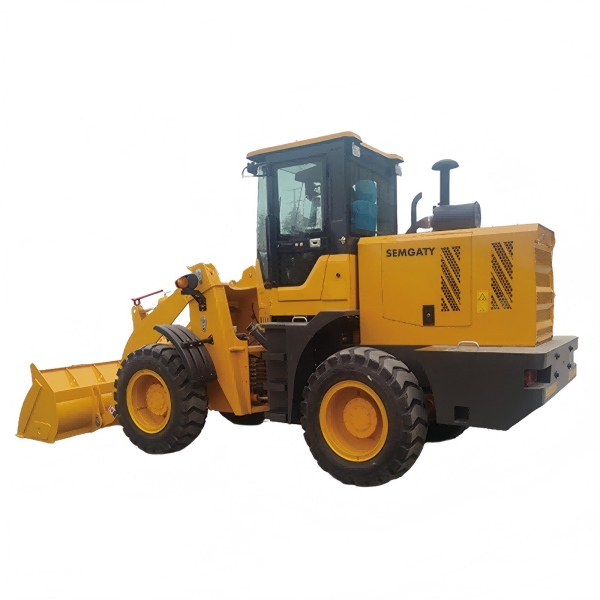
Operation control modes serve as critical selection indicators for compact loader procurement, directly affecting operating difficulty, construction precision, working fatigue and long-term construction efficiency. Modern compact loaders divide control systems into pilot hydraulic operation and traditional mechanical manual operation, two mature technical routes with distinct application advantages and scenario adaptability.
articulating wheel loader and
compact front end loader support dual operation configurations to meet tiered procurement demands of global engineering markets. Systematic comparison of two operation modes helps purchasers match suitable loader equipment according to operator proficiency, project type and long-term operation planning.
Conventional manual operation loaders adopt rigid mechanical linkage control structures for core action execution. Pull rods, steel wires and mechanical connecting rods transmit operating force to complete bucket lifting, dumping and walking adjustment. Such control schemes feature simple structural composition, low technical thresholds and convenient daily maintenance. Mechanical linkage systems deliver stable anti-interference capacity and adapt to harsh construction environments with heavy dust, mud splash and frequent vibration impact.
Pilot operation loaders apply advanced hydraulic pilot control technology for flexible action adjustment. Auxiliary hydraulic valve groups and sensitive control handles replace traditional mechanical transmission structures. Small operating force drives precise equipment actions and greatly reduces physical consumption of operators during long-hour construction. Hydraulic pilot systems achieve stepless speed regulation and smooth action switching to optimize overall construction quality and operational fluency.
Operating difficulty and personnel adaptation form core differences between two control modes. Conventional manual operation requires large operating force and skilled manipulation proficiency. New operators need long adaptation cycles to master coordinated action control. Pilot operation features lightweight handle control and simple logic settings, enabling rapid skill mastery for novice operators and reducing team training costs for engineering enterprises.
compact front loader mostly adopts conventional manual operation configurations for grassroots light-load scenarios. Simplified mechanical control structures match low-intensity working demands of farmland renovation, yard sorting and rural road maintenance. Mature mechanical transmission parts support convenient on-site maintenance and low-cost component replacement. Practical operation modes fully satisfy basic construction needs of small-scale and sporadic engineering projects.
Construction precision and action stability differ greatly between pilot and manual control systems. Manual mechanical operation relies entirely on artificial force control, leading to unsmooth action transition and slight material spilling. Pilot hydraulic systems maintain uniform hydraulic output and balanced action rhythm. Precise handle stroke control realizes accurate positioning of bucket height and shoveling volume, improving construction uniformity for standardized engineering projects.
Long-term operation fatigue degree influences team working efficiency and personnel stability. Continuous manual operation generates repeated physical consumption on arms and shoulders of operators. Long-hour cyclic construction easily causes physical fatigue and reduces working concentration. Pilot operation minimizes operating force output and maintains comfortable operating states throughout high-frequency working cycles, supporting sustainable high-efficiency construction output.
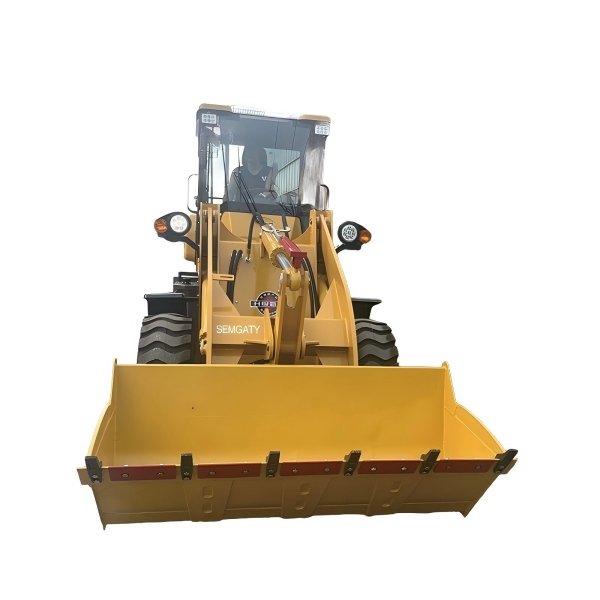
articulating wheel loader generally matches high-grade pilot operation systems for complex terrain construction. Terrain-adaptive working scenarios including slope operation, muddy ground traveling and obstacle crossing require flexible and precise action adjustment. Pilot control systems respond rapidly to terrain changes and coordinate body steering, lifting and traveling actions synchronously. Efficient control cooperation maximizes terrain adaptation advantages of articulated chassis structures.
Equipment procurement and maintenance costs form key reference for differentiated selection. Conventional manual operation loaders feature fewer hydraulic accessories and simpler structural layouts, leading to lower ex-factory prices and wider market popularity. Pilot operation loaders require matched hydraulic valve groups, pilot handles and precision pipeline layouts, bringing higher manufacturing costs. Long-term maintenance of pilot systems needs professional inspection of hydraulic precision parts with slightly higher technical requirements.
Environmental adaptability of two control modes guides scenario-based equipment matching. Manual mechanical structures resist dust, muddy water and vibration interference with stable working performance. Mechanical linkage parts rarely suffer from blockage or failure in harsh open-air sites. Pilot hydraulic systems require clean working environments and regular hydraulic oil replacement to avoid pipeline blockage and pressure instability caused by impurity accumulation.
compact front end loader provides optional dual operation configurations for medium-load multi-scenario engineering demands. Purchasers freely select manual operation versions for cost control or pilot operation versions for efficiency upgrading. Balanced body performance cooperates with two control modes to adapt to municipal maintenance, earthwork stacking and site cleaning tasks. Flexible configuration options improve market matching degree of medium-sized compact loaders for global buyers.
Working efficiency gap manifests obviously in high-frequency cyclic construction. Manual operation delays action response and increases invalid operation time in repeated shoveling and loading work. Pilot operation achieves instantaneous response and smooth action switching to shorten single operation cycle. Efficient cyclic working modes greatly improve daily material handling throughput for large-volume stockyard and logistics loading projects.
Service life and failure characteristics vary with control system types. Manual mechanical structures wear gradually with long-term force application, requiring regular adjustment of connecting rod gaps and tension. Pilot hydraulic systems avoid mechanical wear of transmission structures, with main failure risks concentrated in hydraulic oil aging and sealing part abrasion. Targeted maintenance schemes effectively extend service life of different control configurations.
Operator team composition affects final configuration selection decisions. Teams with rich construction experience and long-term stable staffing adapt well to manual operation loaders and control overall construction costs. Teams with frequent personnel turnover and many novice operators gain higher practical value from pilot operation loaders through simplified operation difficulty and improved working efficiency.
Scientific configuration selection realizes optimal matching of operation mode and project demand. Simple low-budget grassroots projects adopt cost-effective manual operation
compact front loader to complete basic construction tasks. Complex terrain high-precision engineering prioritizes sensitive and stable pilot operation
articulating wheel loader to ensure construction quality and safety. Multi-scenario medium-sized projects select optional dual-configured
compact front end loader to balance economy and versatility.
Clear cognition of pilot and manual operation differences eliminates blind procurement and equipment mismatch risks. Comprehensive evaluation of project scenarios, operator conditions, budget limits and maintenance capacity forms scientific selection standards. Reasonable matching of control modes and loader models maximizes equipment operation efficiency, reduces failure rates and creates stable economic benefits for diversified engineering construction projects worldwide.